Elevate Bottle
In recent years, the demand for stainless steel bottles has surged. Their durability, sustainability, and aesthetic appeal make them popular. However, corrosion remains a significant concern. To enhance the corrosion resistance of stainless steel bottles, various methods can be employed. Manufacturers and consumers both benefit from understanding these strategies.
Understanding corrosion is key to improving the lifespan of these products. Stainless steel's resistance to rust is not absolute. Factors such as exposure to water, chemicals, and environmental conditions can contribute to deterioration. While many methods exist, choosing the best fit requires expertise.
Being aware of these techniques can greatly influence the quality of stainless steel bottles. Proper surface treatments, alloy compositions, and protective coatings are critical. Exploring these enhancements allows users to appreciate their bottles even more. The journey to improved corrosion resistance is ongoing, highlighting the need for continuous reflection and innovation in the industry.
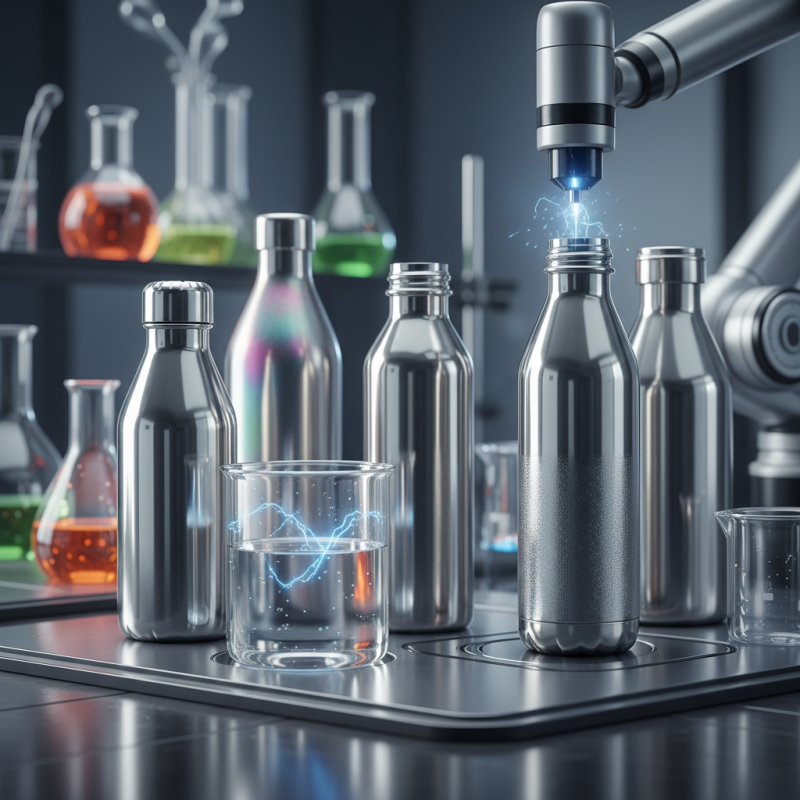
Stainless steel bottles are popular for their durability and sustainability. However, they are still vulnerable to corrosion. In 2026, several promising methods can enhance their corrosion resistance effectively. One key approach involves surface treatments. Techniques like electropolishing can create a smoother surface, reducing sections where corrosion might initiate.
Another method is the application of protective coatings. These coatings can act as barriers against corrosive elements. Innovations in coating materials have made them more effective and longer-lasting. Using nanotechnology in these coatings could further improve the lifespan of stainless steel bottles.
It’s essential to understand that the effectiveness of these methods may vary. Factors like exposure to different environments or chemical substances play a significant role. Regular maintenance and inspection are necessary to identify potential corrosion spots. Despite advancements, there may still be instances of corrosion due to wear and tear. Continuous research in this area is vital for finding even better solutions.
Corrosion is a significant concern for stainless steel bottles. Understanding how it occurs is crucial for improving their durability. The primary mechanism involves electrochemical reactions that take place when stainless steel is exposed to harsh environments. Chlorides, moisture, and high temperatures can initiate these processes. These factors lead to different forms of corrosion, such as pitting and crevice corrosion.
Despite stainless steel's reputation for resistance, it is not invulnerable. The alloy’s microstructure can deteriorate under certain conditions. This risks the integrity of the bottle. Regular maintenance, such as cleaning and drying, can help mitigate these risks. However, these practices are not always followed diligently. Users might overlook them or not recognize their importance.
Incorporating protective coatings can enhance resistance further. Yet, these solutions may not be foolproof. Coatings can wear off over time. As a result, the underlying stainless steel may become susceptible again. Understanding these nuances is essential for users who want longevity from their stainless steel bottles. Engagement in proper care and awareness of corrosion dynamics can significantly extend their lifespan.
In recent years, advancements in surface treatments have significantly enhanced the durability of stainless steel bottles. Various methods, such as electropolishing and passivation, have surfaced as effective means to improve corrosion resistance. Electropolishing not only smooths the surface but also removes contaminants. This process has shown to decrease corrosion rates by up to 50%, according to recent industry reports.
The application of coatings has also gained traction. Techniques like ceramic coating and PVD (Physical Vapor Deposition) offer excellent impermeability against moisture and harmful substances. Reports indicate that ceramic coatings can increase corrosion resistance by over 200% compared to untreated stainless steel. However, these methods can be cost-prohibitive for smaller manufacturers, sparking debates about accessibility and sustainability in production.
Additionally, there remains a need for ongoing research. While treatments show promise, the long-term effects on environmental sustainability are still unclear. The complexity of these surface treatments presents challenges in scalability and consistency. Experts note that the industry must balance enhanced performance with ecological responsibility, prompting further exploration into alternative materials and techniques. Addressing these issues is crucial for the future of stainless steel bottle production.
The alloy composition significantly influences the corrosion resistance of stainless steel bottles. Different grades of stainless steel contain varying amounts of nickel, chromium, and molybdenum. For instance, higher chromium content typically enhances resistance to corrosion. This is crucial for bottles that may be exposed to moisture or acidic environments. Additionally, the presence of molybdenum can further protect the steel from pitting.
Monitoring the alloy balance is essential. Not all stainless steels provide the same durability against corrosive elements. For those in coastal areas or areas with high humidity, opting for a higher alloy grade offers better protection. Some may overlook the impact of temperature fluctuations as well. Higher temperatures can accelerate corrosion processes, making it vital to choose the right stainless steel composition.
Tips: Always check the specific alloy grade before purchasing bottles. Look for grades like 316 stainless steel for better resistance to chlorides. Regularly inspect for signs of corrosion and wear. Small maintenance efforts can significantly extend the lifespan of your stainless steel bottles.
As the demand for stainless steel bottles rises, enhancing their corrosion resistance becomes crucial. Future trends in coatings aim to offer more innovative solutions. New types of coatings are in development. These coatings will improve durability while maintaining aesthetic appeal. For instance, advancements in nanotechnology are enabling the creation of ultra-thin protective layers. These layers can repel moisture effectively.
However, not all solutions are flawless. Some coatings may wear off over time, exposing the base metal. Research indicates that certain environments can accelerate this process. Additionally, finding the right balance between weight and protection is challenging. Lightweight materials often compromise on strength, which can lead to corrosion risks in harsh conditions.
Furthermore, emerging eco-friendly solutions are gaining traction. These sustainable coatings reduce environmental impact. Yet, the performance of these green alternatives sometimes lags behind traditional methods. Continuous testing and feedback are essential for refining these new products. The quest for ideal coatings is ongoing, revealing the complexities involved in maintaining stainless steel's integrity.
: Corrosion occurs due to electrochemical reactions when exposed to elements like chlorides and moisture.
No, stainless steel can corrode under certain conditions, especially if the microstructure is compromised.
Regular cleaning and drying are essential to prevent corrosion, but many users may neglect these practices.
Electropolishing and ceramic coatings can enhance durability and reduce corrosion rates significantly.
Yes, coatings can degrade, which makes the underlying steel vulnerable to corrosion again.
Higher concentrations of chromium and molybdenum can greatly enhance resistance against corrosive substances.
Check for higher alloy grades, like 316, for better protection, especially in harsh environments.
Yes, the long-term sustainability effects of advanced treatments are still being researched and understood.
Monitoring for corrosion signs can help catch issues early, prolonging the bottle's lifespan.
Yes, higher temperatures can accelerate corrosion processes, making alloy selection critical.
In 2026, enhancing the corrosion resistance of stainless steel bottles is more important than ever due to increasing demands for durability and longevity in everyday products. Understanding the fundamental corrosion mechanisms that affect stainless steel materials is crucial in developing effective strategies. The advancements in surface treatments, including innovative coatings and protective solutions, have shown significant promise in improving the resistance of these bottles to environmental factors.
Additionally, the composition of alloying elements plays a vital role in determining the corrosion resistance of stainless steel bottles. By carefully selecting and optimizing alloy compositions, manufacturers can further enhance durability. As we look to the future, ongoing research and development in coatings and protective solutions aim to revolutionize the effectiveness of stainless steel in resisting corrosion, ultimately leading to superior products for consumers.
