Elevate Bottle
In the world of packaging, the importance of a reliable seal cannot be overstated. When we look to enhance the flip lid sealing performance of bottles, we must consider various factors. From material choice to design innovations, each element plays a critical role.
Poor sealing not only affects product freshness but can also impact brand reputation. Customers expect quality and reliability. A flip lid that leaks or fails to close properly can frustrate users. Hence, finding ways to enhance the flip lid sealing performance of bottles is essential for manufacturers.
Investing time in testing and experimenting with different materials is crucial. It’s not just about the lid; the bottle’s design matters too. Understanding how factors like temperature and humidity affect sealing is key. Each product may require a unique approach. Continuous improvement is necessary in this competitive market. Embracing innovation and feedback can lead to significant advancements.
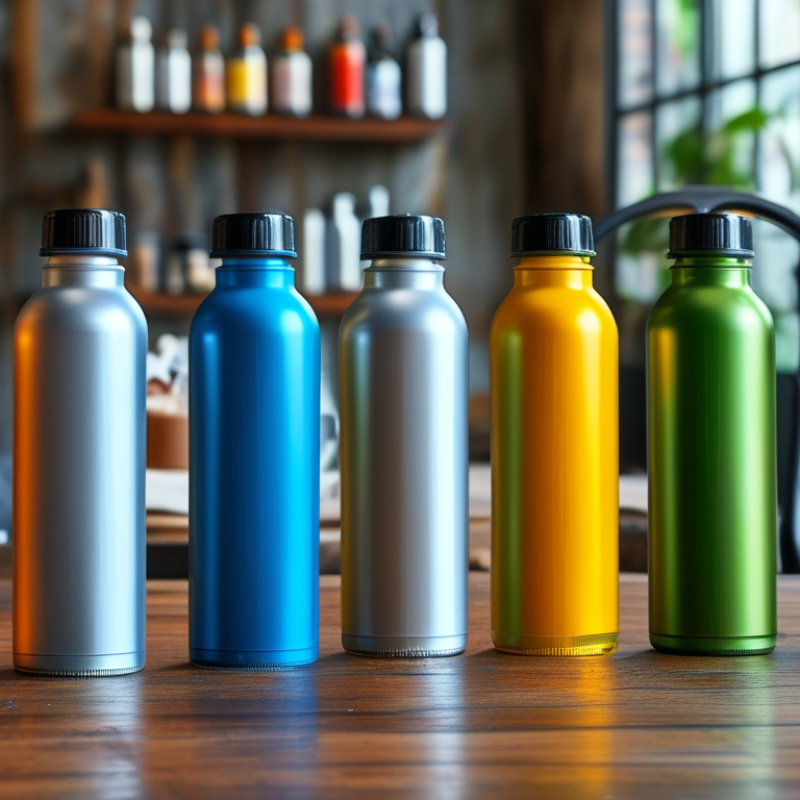
Understanding flip lid mechanisms is crucial for enhancing sealing performance in bottles. These lids, common in various industries, can provide convenience and usability. Reports show that 30% of consumers prefer products with easy-to-use closures. However, the quality of sealing can vary significantly among designs.
Effective sealing relies on several mechanisms. The hinge's material and structure directly affect the lid's longevity and effectiveness. For instance, a well-designed hinge reduces the risk of breakage and ensures a snug fit. Industry experts recommend using durable polymers that withstand repeated use. Studies indicate that lids made from high-density polyethylene (HDPE) show improved sealing capabilities, outperforming standard materials by up to 20%.
Additionally, the sealing surface is pivotal. A larger sealing area often results in better performance, minimizing the risk of leaks. However, not all designs optimize this area effectively. Some lids fail due to insufficient surface contact, leading to product spoilage. Evaluating these aspects can help manufacturers refine their processes and improve customer satisfaction.
This chart illustrates the various factors influencing the sealing performance of flip lid bottles. Material quality significantly impacts performance at 35%, followed by seal design at 25%. Other factors include manufacturing precision, environmental influences, and user application techniques.
When exploring flip lid sealing technologies, several methods stand out for their efficiency and reliability. Heat sealing, for instance, is widely used due to its simplicity. This method uses heat to melt edges of the lid and bottle, creating a tight seal. Reports indicate that this technology can enhance sealing performance by up to 30%. However, it requires precise temperature control, as overheating can compromise the seal integrity.
Another notable technology is ultrasonic sealing. This innovative approach employs high-frequency sound waves to create molecular bonds. Data shows that ultrasonic sealing can reduce sealing time by 50%, increasing production efficiency. Yet, this method demands specialized equipment, which may not be feasible for smaller manufacturers. Such challenges highlight the importance of evaluating production scale when choosing sealing technologies.
Pressure-sensitive adhesives (PSAs) offer a different avenue for flip lid sealing. PSAs bond the lid and bottle through application of pressure, rather than heat. Reports suggest these adhesives have a strong initial tack but may suffer from long-term durability issues. The effectiveness often hinges on surface preparation and environmental conditions. These aspects indicate potential areas for improvement, emphasizing the need for ongoing research in sealing technologies.
The sealing performance of flip lid bottles depends on several key factors. Material choice is crucial. Reports indicate that PET and HDPE materials offer distinct sealing performances. PET is known for its rigidity, providing tighter seals, while HDPE exhibits flexibility that can influence the seal's integrity.
Temperature variations can also impact sealing effectiveness. A study from the International Packaging Association shows that temperature fluctuations can lead to seal failures in 15% of cases. This is especially critical in environments with extreme weather conditions. Monitoring temperature during production and storage is essential.
Seal design plays a vital role too. The geometry of the sealing surface and the application of pressure can greatly affect the performance. Research indicates that seals with narrower gaps reduce air leakage, which is vital for preserving product quality. However, some designs may complicate user accessibility. It's also important to consider the adhesive used in the sealing process, as subpar adhesives can lead to premature failure. Striking the right balance between usability and performance is a frequent challenge in the industry.
Enhancing the sealing efficiency of flip lid bottles is crucial for manufacturers. According to industry reports, approximately 30% of product losses are due to improper sealing. Addressing this issue can greatly reduce waste. One effective practice is to regularly maintain sealing machinery. Machines that are not well-maintained will not seal properly, leading to leaks and product spoilage. Additionally, training staff on the importance of proper sealing techniques can significantly improve outcomes.
Using high-quality sealing materials is another vital aspect. A report from the Packaging Association indicates that the choice of materials can affect seal integrity by up to 25%. Opting for materials that are compatible with the bottle contents is essential. Poor compatibility may lead to reactions that compromise seals. Regular quality checks should be implemented to evaluate the effectiveness of these materials.
It's also important to realize the impact of environmental factors. Temperature and humidity can greatly influence seal performance. Data shows that seals fail more frequently in high-humidity environments. Monitoring these conditions can provide insights into when to adjust sealing processes. Reflecting on these factors is crucial in achieving optimal sealing efficiency.
Flip lid seals can face several common issues that impact their performance. One of the most frequent problems is improper alignment during the sealing process. Misalignment can lead to incomplete seals, allowing air and contaminants to enter. Regular checks on the machinery settings can help mitigate this issue. It’s essential to observe the sealing process closely. Small adjustments can make a significant difference.
Another common issue is inconsistent application of sealing pressure. Too much pressure can damage the lid or cause deformation, while too little pressure may result in weak seals. Operators should routinely calibrate the sealing equipment. Monitoring pressure levels in real-time is also a good practice. This ensures that the sealing meets the required standards consistently.
Temperature control is equally important in flip lid sealing performance. Excessive heat can cause deformation, while insufficient heat may lead to poor adhesion. It's vital to maintain a stable temperature within the set range. Conducting regular maintenance on heating elements will improve reliability. Lack of attention can lead to unexpected failures. Evaluating these aspects can help enhance the overall performance of flip lid seals.
: Heat sealing melts edges of the lid and bottle to create a tight seal.
Ultrasonic sealing uses sound waves to bond materials, reducing sealing time by 50%.
PSAs bond lids and bottles through pressure, not heat, but may have durability issues.
Poorly maintained machines can lead to leaks and spoilage, causing product losses.
Temperature and humidity can impact seal performance, leading to frequent failures in high-humidity areas.
Operators need to calibrate sealing equipment and monitor pressure levels in real-time.
Misalignment can cause incomplete seals, allowing air and contaminants to enter products.
High-quality materials can enhance seal integrity; poor compatibility may cause reactions.
Excessive or insufficient heat can lead to poor adhesion or damage the lids.
Continuous evaluation of sealing techniques and environmental conditions can lead to better outcomes.
To enhance the flip lid sealing performance of bottles, it is essential to understand the mechanisms behind flip lid designs and the various sealing technologies available. Different types of flip lid sealing systems, such as pressure-sensitive and adhesive-based seals, play a crucial role in ensuring product integrity. Key factors influencing sealing performance include material compatibility, seal contour, and environmental conditions.
Implementing best practices, such as proper alignment during assembly and routine maintenance, can significantly improve sealing efficiency. Moreover, troubleshooting common issues like insufficient sealing pressure or misalignment can help identify and rectify problems quickly, ensuring that bottles maintain their quality and safety. By focusing on these areas, manufacturers can effectively enhance the flip lid sealing performance of bottles and meet industry standards.
