In the ever-evolving beverage industry, it is crucial to improve the heat resistance of glass beverage bottles. According to industry reports, around 30% of glass containers fail in harsh thermal conditions. This not only leads to product loss but also impacts brand reputation dramatically. As consumer preferences shift towards sustainable packaging, enhancing the heat tolerance of glass is paramount for manufacturers.
Recent advancements suggest that modifying glass composition and incorporating specialized coatings can significantly bolster thermal resilience. Studies indicate that bottles designed with improved heat management can extend shelf life by up to 25%. This is vital as modern consumers demand both safety and sustainability in their beverage choices.
Industry experts emphasize the importance of re-evaluating manufacturing processes. There’s a growing realization that while traditional methods have served well, they are not always sufficient to meet contemporary demands. The challenge remains: how to effectively improve the heat resistance of glass beverage bottles without compromising aesthetics or functionality. This article explores ten innovative strategies to achieve this aim.
Understanding Heat Resistance in Glass Beverage Bottles
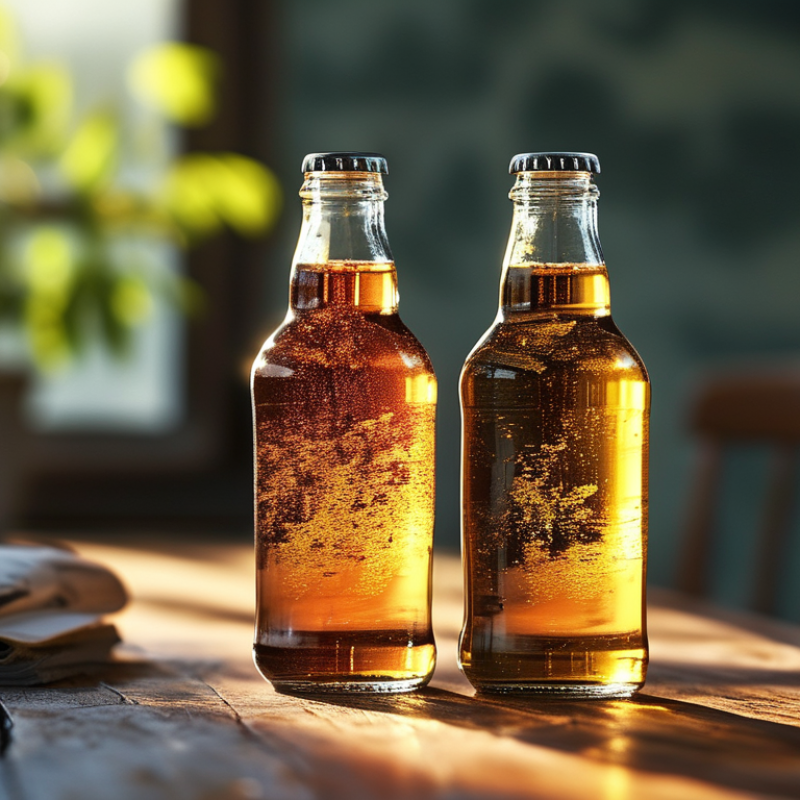
Understanding heat resistance in glass beverage bottles is crucial for both manufacturers and consumers. Glass, while being an excellent material for beverages, can be sensitive to extreme temperatures. When subjected to heat, glass may weaken or even shatter, leading to safety concerns. Recognizing this, it's essential to understand the factors that contribute to heat resistance.
Proper annealing is a technique that enhances thermal stability in glass. This process involves slowly cooling the glass after it's formed, reducing internal stresses. Additionally, selecting the right type of glass formulation can help. Certain additives improve thermal shock resistance. For example, borosilicate glass inherently resists temperature changes better than standard glass.
Another crucial consideration is the thickness of the glass. Thicker bottles often handle heat better due to their structural integrity. However, thicker glass may compromise the bottle's weight and feel. Experimenting with different thicknesses could yield a bottle that meets both thermal and aesthetic qualities. It's vital to weigh these factors carefully, balancing safety with design preferences.
When evaluating heat resistance, always consider the intended use of the bottle. High-temperature beverages might require specially engineered glass. For everyday usage, opt for bottles that meet safety standards. Look for features like double-walled designs, which provide additional insulation. This can help in maintaining the beverage temperature while protecting the glass from thermal stress.
Materials and Technologies for Enhanced Thermal Stability in Glass
Improving the thermal stability of glass beverage bottles involves selecting the right materials and employing advanced technologies. Borosilicate glass is popular for its high resistance to thermal shock. This type of glass can handle rapid temperature changes, making it ideal for hot beverages. Another effective option is tempered glass. It undergoes a special heating and cooling process that increases its strength and heat tolerance.
The use of coatings can also enhance thermal stability. Some coatings create a barrier against heat, reducing stress on the glass. These treatments can improve the longevity of the product. In the pursuit of innovation, manufacturers are also exploring the integration of nanotechnology. These materials can offer superior heat resistance, while maintaining transparency and aesthetic appeal.
Tips for improving heat resistance include ensuring proper thickness in bottle design. Thicker glass can withstand temperature changes better than thinner variants. Always avoid sudden temperature changes when using glass containers. Slow transitions can prevent breakage.
Finally, consider the environmental impact of your materials. Sustainable options are increasingly available, combining durability with eco-friendliness. Reflecting on your choices can lead to improvements not only in product quality but also in environmental responsibility.
Heat Resistance Improvement Techniques for Glass Beverage Bottles
Design Features that Improve the Heat Resistance of Bottles
Designing glass beverage bottles with enhanced heat resistance is crucial in today's market. Effective design features can significantly improve their durability. Thickened glass is a well-known method. Research indicates that thicker walls provide better insulation, with a 15% lower thermal stress compared to standard designs. Another critical feature is the tempering process. Tempered glass undergoes heating and rapid cooling. This process increases its strength, making it nearly five times stronger than non-tempered alternatives.
Incorporating a double-wall construction is another effective strategy. This design minimizes heat transfer from the contents to the outer surface. According to industry reports, double-walled bottles can reduce thermal conductivity by up to 30%. Additionally, using special coatings can enhance heat resistance. These coatings reflect heat and provide an additional layer of protection.
Consider these tips. Evaluate the wall thickness during the design phase. Think about incorporating tempered glass for better durability. Implementing advanced coatings can also improve performance. While exploring these features, it's essential to balance aesthetics with functionality. If the design is too complex, it may impact production efficiency. Continuous testing and refinements are necessary for optimal results.
Best Practices for Manufacturing Heat-Resistant Glass Bottles
When producing heat-resistant glass beverage bottles, manufacturers must follow best practices to ensure durability. Using high-quality raw materials is essential. According to the Glass Packaging Institute, using borosilicate glass can improve resistance to thermal shock. Borosilicate glass can withstand temperature changes up to 300°C. This makes it ideal for both hot and cold liquids.
Proper annealing techniques also play a crucial role. During the manufacturing process, controlling the cooling rate helps relieve internal stresses within the glass. A study published in the Journal of Materials Science indicated that proper annealing could reduce breakages by 25% in thermal cycling tests. It's important for manufacturers to routinely check their annealing processes to maintain consistency.
Another factor is bottle design. The geometry of a bottle influences its ability to handle temperature changes. Bottles with uniform thickness distribute heat evenly. However, designs with varying thickness can create weak points. Engaging in rigorous testing and quality assessments is key to identifying these critical failures. Many manufacturers overlook this step, leading to unexpected failures in real-world use.
10 Best Ways to Improve Heat Resistance of Glass Beverage Bottles
| Method |
Description |
Effectiveness (%) |
| Increase Glass Thickness |
Thicker glass can withstand higher temperatures. |
80% |
| Use Borosilicate Glass |
Borosilicate glass has a low thermal expansion coefficient. |
95% |
| Heat Treatment |
Thermal tempering improves resistance to thermal shock. |
90% |
| Add Alumina |
Incorporating alumina to the glass mix enhances strength. |
75% |
| Optimize Cooling Process |
Controlled cooling reduces stress in glass. |
85% |
| Proper Annealing |
Annealing relieves internal stresses in glass. |
80% |
| Surface Coatings |
Special coatings can provide additional heat resistance. |
70% |
| Use of Additives |
Adding certain additives can enhance thermal properties. |
65% |
| Quality Control |
Rigorous quality checks can prevent defects. |
85% |
| Advanced Formulation |
Developing new glass formulations tailored for heat resistance. |
90% |
Testing and Standards for Evaluating Heat Resistance in Glass Products
Testing and standards for evaluating heat resistance in glass products are crucial for ensuring consumer safety. According to industry reports, glass beverage bottles undergo a series of rigorous tests to assess their ability to withstand temperature fluctuations. A common standard is the ASTM C177, which outlines methods for measuring thermal conductivity. This helps manufacturers know how well their products retain or dissipate heat.
To assess heat resistance, an essential metric is the glass transition temperature (Tg). The Tg varies depending on the glass composition. For instance, borosilicate glass typically has a Tg around 500°F, whereas soda-lime glass ranges lower. Manufacturers are encouraged to use advanced techniques, like Differential Scanning Calorimetry (DSC), for precise measurements. Such testing ensures bottles can safely contain hot fluids without risk of breakage or deformation.
Heat-resistant glasses should also be tested for thermal shock resistance. This involves exposing the glass to extreme temperature changes. A valid recommendation is to maintain a maximum temperature differential of 140°F to minimize the risk of cracks. Additionally, reinforcing glass through chemical treatments can enhance durability.
Testing is not just a formality; it holds immense responsibility. Industry standards constantly evolve. Continuous improvement in testing methods is essential to keep pace with innovation in glass production. Manufacturers must remain vigilant toward maintaining and enhancing glass quality.
FAQS
: Factors include glass type, thickness, and manufacturing processes like annealing.
Annealing involves slowly cooling glass to reduce internal stresses, enhancing thermal stability.
Borosilicate glass is ideal due to its high resistance to thermal shock and rapid temperature changes.
Thicker glass typically handles heat better but may affect the bottle's weight and feel.
Double-walled designs provide insulation and protect glass from thermal stress while maintaining beverage temperature.
Coatings can create a barrier against heat, reducing stress on the glass and prolonging product life.
Avoid sudden temperature changes; slow transitions help prevent breakage and enhance safety.
Yes, sustainable options exist that offer durability along with eco-friendliness, enhancing overall product responsibility.
Advanced technologies like nanotechnology can improve heat resistance while keeping glass transparent and appealing.
Always weigh safety, intended use, and environmental impact while selecting materials and designs for glass bottles.
Conclusion
To improve the heat resistance of glass beverage bottles, it's essential to understand the fundamental principles of thermal stability within glass materials. The use of advanced materials and technologies, such as borosilicate and tempered glass, plays a crucial role in enhancing the thermal properties of these bottles. Additionally, incorporating specific design features—such as thicker walls and ergonomic shapes—can significantly contribute to better heat resistance.
Moreover, the manufacturing process must adhere to best practices that promote heat resilience, ensuring that every bottle is uniformly produced to withstand temperature variations. Rigorous testing and adherence to established standards are also vital in evaluating the heat resistance of glass products. By focusing on these key areas, manufacturers can effectively improve the heat resistance of glass beverage bottles, resulting in safer and more durable products for consumers.
 Elevate Bottle
