 Elevate Bottle
Elevate Bottle
Elevate Bottle
Transporting bottles can be a delicate process. The risk of bottle breakage during transportation is a significant concern for businesses. Each breakage means lost revenue and damaged goods. Implementing effective strategies can help minimize the risk of bottle breakage during transportation.
Using proper packing materials is crucial. Bubble wrap, packing peanuts, and strong cardboard boxes can absorb shocks. However, overpacking can lead to pressure points that may break bottles. Finding the right balance is important. Training staff on handling techniques is equally essential. Inexperienced workers may not understand how to stack or secure bottles safely.
Monitoring environmental conditions is another area to consider. Extreme temperatures or humidity can weaken bottle integrity. Including tracking systems to monitor temperature can prevent issues. While these methods might not eliminate breakage entirely, they can significantly reduce it. Every shipping process is unique, requiring constant evaluation and adjustments. Mistakes happen, but learning from them is a step toward improvement in packaging and transportation strategies. Aim to refine your approach continuously.
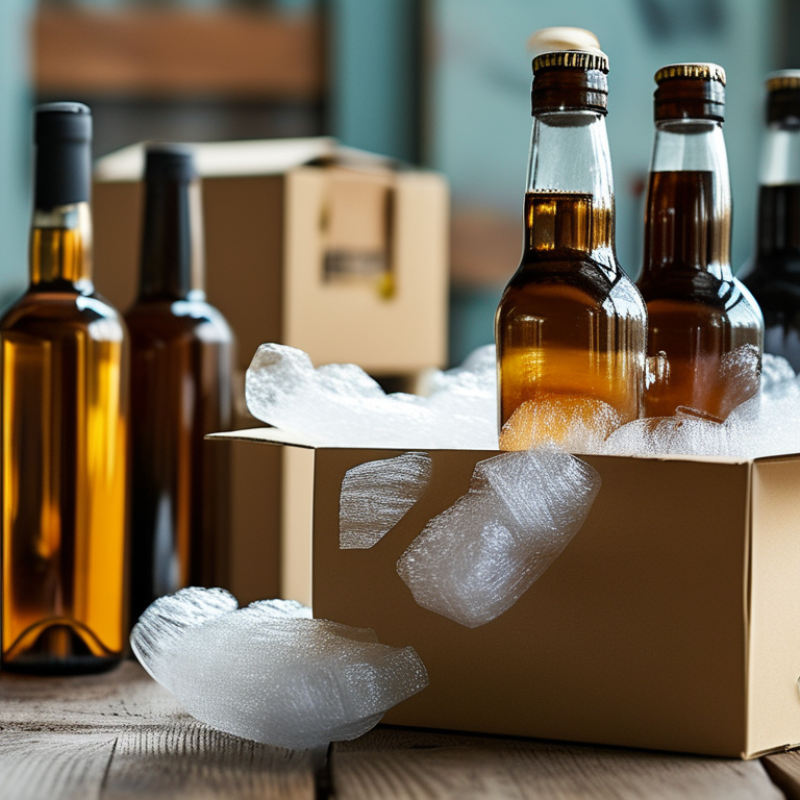
When it comes to transporting bottles, effective packaging is crucial. Using sturdy materials significantly reduces breakage risk. A solid cardboard box is a good start. Ensure it's the right size. Bottles should fit snugly, minimizing movement during transit. Bubble wrap is a reliable option. Wrap each bottle individually, focusing on the neck and base. This extra cushioning absorbs shock.
Consider dividing the space between bottles. Cardboard dividers or molded inserts can keep them separate. This prevents contact and potential breakage. Additionally, using a tape that adheres well can secure the box. Improper sealing often leads to damage.
Humidity and temperature fluctuations can affect bottles too. They may weaken the materials, causing them to break. Ensure products are stored in a controlled environment. It’s essential to assess your packaging method regularly. Analyze what losses occur, and adapt your strategy. Reflecting on past shipments can provide valuable insights for improvement.
: Sturdy materials like solid cardboard boxes are recommended. They significantly reduce the risk of breakage.
Wrap each bottle individually with bubble wrap. Focus extra cushioning on the neck and base to absorb shock.
Dividers or molded inserts keep bottles separate. This prevents contact and reduces the chance of breakage.
Using tape that doesn't adhere well can lead to damage. It’s vital to secure the box properly.
Humidity and temperature fluctuations can weaken materials. These changes might cause bottles to break during transport.
Place heavier bottles at the bottom and lighter ones on top. This maintains stability by aligning the center of gravity.
They absorb impact and vibrations, significantly reducing the risk of breakage during transit.
Yes, experimenting with arrangements can lead to improvements. Document findings to refine your approach over time.
Regular assessments of packaging will help identify losses and improve strategies based on past experiences.
Investigate packaging solutions, update materials, and consider custom designs to better protect your bottles.
To minimize the risk of bottle breakage during transportation, it is essential to adopt best practices in packaging. This includes selecting impact-resistant materials that provide a robust defense against external forces. Additionally, optimizing pallet configuration ensures that bottles are stacked safely, minimizing movement and potential damage during transit.
Incorporating shock-absorbing inserts can further enhance protection by cushioning bottles against jolts and vibrations. Moreover, training staff on proper handling and loading techniques is crucial, as knowledgeable employees can significantly reduce the chances of accidents. By implementing these strategies, companies can effectively minimize the risk of bottle breakage during transportation, ensuring products arrive safely at their destinations.
