 Elevate Bottle
Elevate Bottle
Elevate Bottle
Plastic bottles are ubiquitous in our daily lives. However, their convenience comes at a high environmental cost. Increasing awareness of climate change has prompted many individuals and organizations to seek ways to reduce the environmental impact of plastic bottle usage. This challenge requires collective effort and innovative solutions.
Many people underestimate the scale of plastic waste. In 2020 alone, millions of tons of plastic bottles ended up in landfills and oceans. This epidemic harms wildlife and ecosystems. Therefore, altering our habits is essential for a healthier planet. Reducing the reliance on plastic bottles involves practical steps that everyone can adopt.
From using reusable containers to supporting eco-friendly brands, small changes can make a significant difference. The commitment to sustainability must grow. We need to reflect on our consumption patterns and make conscious choices. Together, we can create a more sustainable future and reduce the environmental footprint of our plastic usage.
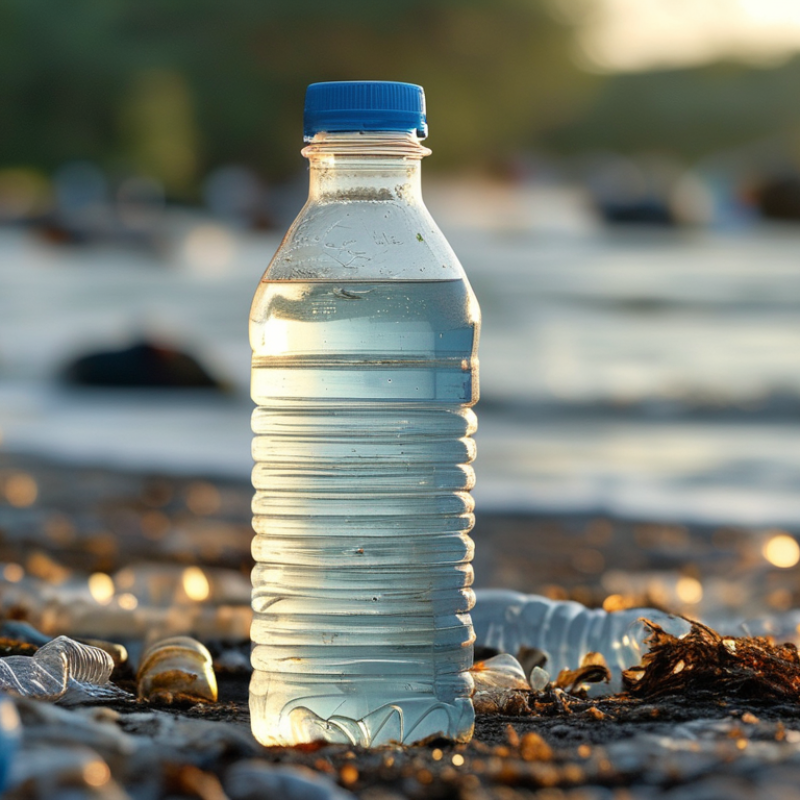
Plastic bottles contribute significantly to environmental degradation. In the United States alone, approximately 1,500 plastic bottles are used every second. This staggering number translates to nearly 50 billion plastic bottles annually. Yet, only about 30% are recycled. This leaves a vast majority of plastic to end up in landfills and oceans.
The environmental impact is dire. Plastic bottles take up to 1,000 years to decompose, releasing harmful chemicals into the soil and waterways. Studies indicate that microplastics are now found in 90% of the world's drinking water sources. Moreover, marine life is often affected; it is estimated that around 1 million seabirds and countless marine mammals die each year due to plastic pollution.
Reducing our reliance on plastic bottles is critical. Individuals and communities can make conscious choices to switch to reusable alternatives. However, systemic change is equally essential. Improving recycling systems and increasing public awareness are vital to curb this growing crisis. It's clear that every step counts, but the path to a sustainable future requires collective effort and commitment.
| Method | Effectiveness (%) | Environmental Impact Reduction (kg CO2e per year) | Resources Saved (liters) |
|---|---|---|---|
| Use Reusable Bottles | 70% | 1430 | 600 |
| Recycle Plastic Bottles | 50% | 800 | 300 |
| Avoid Single-Use Plastics | 60% | 950 | 400 |
| Participate in Clean-up Events | 40% | 500 | 200 |
| Support Initiatives for Biodegradable Alternatives | 55% | 1200 | 500 |
| Educate Others on Plastic Waste | 30% | 300 | 150 |
| Purchase in Bulk | 65% | 1100 | 450 |
| Choose Sustainable Brands | 75% | 1300 | 550 |
| Advocate for Policy Changes | 80% | 1600 | 700 |
: Plastic bottles contribute greatly to pollution, with 50 billion used in the U.S. annually, leaving most unrecycled.
They can take up to 1,000 years to decompose, harming soil and water with toxic chemicals.
Only about 30% of plastic bottles are recycled, with the rest ending up in landfills or oceans.
Plastic pollution kills around 1 million seabirds and numerous marine mammals every year.
People can switch to reusable bottles and make conscious choices to minimize plastic consumption.
Contaminated materials disrupt recycling processes. Good sorting improves the efficiency of recycling facilities.
Communities can join cleanup drives and educate about proper recycling to enhance awareness.
Pyrolysis converts discarded plastic into oil, which can be refined into new fuels or plastics.
Upcycling involves creating new items from old plastics, helping to reduce waste and inspire others.
Many recycling efforts fail due to contamination, which requires improved education on sorting recyclable materials.
To reduce the environmental impact of plastic bottle usage, it is essential to understand the significant statistics that highlight their detrimental effects on ecosystems and human health. Promoting the use of reusable bottles instead of single-use plastics is a crucial step, as it not only decreases the volume of waste generated but also encourages a shift in consumer habits. Furthermore, innovative recycling techniques can transform plastic waste into valuable resources, showcasing the potential for circular economy solutions.
Educating consumers plays a vital role in raising awareness about the issues surrounding plastic waste. By informing individuals about the consequences of their choices, we can foster more environmentally friendly behaviors. Additionally, corporate responsibility is key, as companies must adopt practices that minimize their plastic footprint, reinforcing a collective effort to combat plastic pollution. Through these strategies, we can effectively reduce the environmental impact of plastic bottle usage and promote sustainability for future generations.
