Elevate Bottle Elevate Bottle

2026 Best Ways to Reduce Weight of Stainless Steel Vacuum Bottles?

Time:2026-06-27 Author:Oliver
0%

In recent years, the demand for lighter and more portable stainless steel vacuum bottles has grown significantly. As consumers seek durability and convenience, the need to reduce the weight of stainless steel vacuum bottles becomes crucial. Many people may not realize that even small changes in design can have a significant impact on the overall weight.

To effectively reduce the weight of stainless steel vacuum bottles, manufacturers are exploring innovative materials and techniques. Using thinner stainless steel can minimize weight without compromising strength. However, this approach requires balancing quality with cost. Advances in technology allow the creation of vacuum bottles that outperform traditional designs while staying lightweight.

It is essential to consider user experience. Feedback from active individuals often highlights the importance of both weight and insulation performance. Striking a balance between these aspects can be challenging. Experimenting with various shapes and sizes might offer solutions, but the process can be iterative and requires thoughtful adjustments.
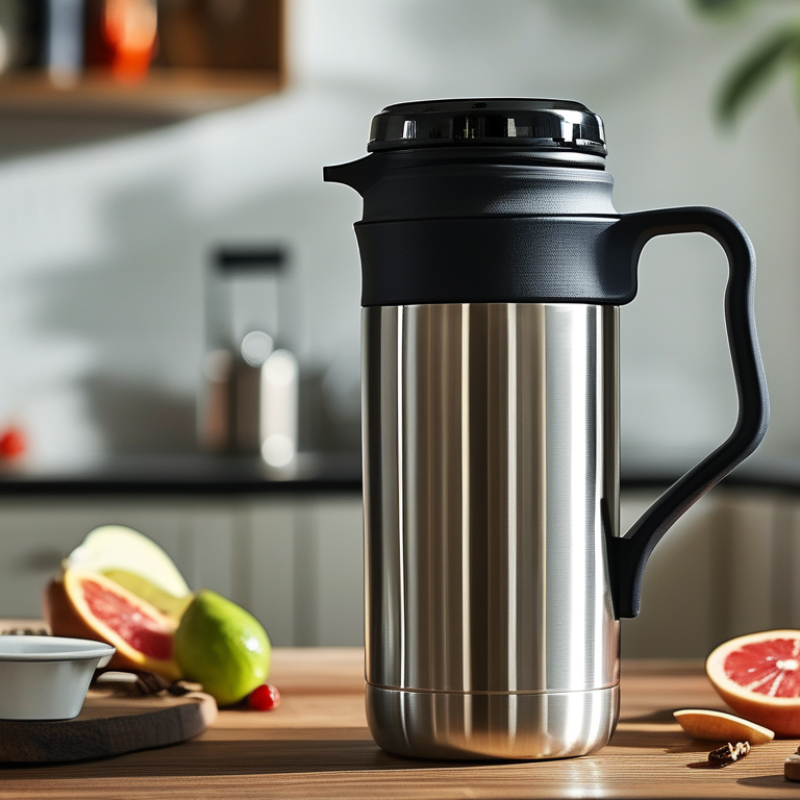
2026 Best Ways to Reduce Weight of Stainless Steel Vacuum Bottles?

Overview of Stainless Steel Vacuum Bottles and Their Benefits

Stainless steel vacuum bottles have gained popularity due to their durability and insulation properties. Their ability to keep beverages hot or cold for extended periods is a key benefit. According to the Beverage Marketing Corporation, the stainless steel bottle market is expected to grow substantially, with demand increasing as consumers shift towards more sustainable options.

These bottles are often designed with eco-friendly materials, reducing plastic waste. A study by the World Health Organization highlighted that single-use plastics contribute significantly to environmental degradation. Switching to stainless steel bottles can decrease this impact. It is estimated that a reusable bottle can save up to 167 plastic bottles each year. However, consumers must consider the responsible use and cleaning of these bottles to ensure hygiene and longevity.

Despite their advantages, stainless steel bottles can be heavier than plastic ones. This weight factor may deter some users, especially on long outings. There is also the concern of a material that can dent. Such imperfections might affect their appeal, illustrating a need for better designs. The industry continues to innovate to address these issues while maintaining the benefits that consumers expect.

Understanding the Importance of Weight Reduction in Vacuum Bottles

Understanding the importance of weight reduction in vacuum bottles is crucial for improving user experience. Lighter bottles are easier to carry and use, especially during outdoor activities. The weight of a stainless steel vacuum bottle often impacts its portability and convenience. Reducing weight without compromising durability is key.


Tips for Weight Reduction: One effective method is to choose thinner stainless steel. This material can still provide insulation while cutting down on weight. Additionally, using innovative designs can minimize material use without sacrificing strength. Ergonomic shapes also help distribute weight better, making bottles feel lighter in hand.


Another approach is to consider the size of the bottle. A smaller capacity not only weighs less but also encourages users to drink more frequently. It's worth evaluating how much liquid you truly need. Every bit of weight counts when you're on the go. Small changes can lead to significant improvements in overall user satisfaction. Making informed choices about design and materials can enhance the everyday experience with vacuum bottles.

Materials and Design Techniques for Lightweight Stainless Steel Bottles

When designing lightweight stainless steel vacuum bottles, material selection is crucial. Different grades of stainless steel, like 304 and 316, offer varied benefits. Grade 304 is popular for its resistance to rust and general durability. Grade 316 includes molybdenum, increasing its corrosion resistance. However, it's also heavier. Ideally, manufacturers need to balance weight and strength.

Innovative design techniques further contribute to reducing weight. Thinner walls save bulk without compromising insulation. Some brands experiment with double-walled vacuum designs, which provide superior insulation while using less material. Hollow handles and ergonomic shapes reduce the overall weight, making the bottles more user-friendly. Testing these designs in real-world scenarios proves essential. Some designs may seem ideal but fail under daily use.

While lightweight is desirable, there’s a fine line between weight and durability. A lighter bottle may be less robust, particularly in rugged conditions. Users may have to reflect on their needs. Would they prefer a super lightweight bottle that dents easily? Making an informed choice enhances user satisfaction and experience. Staying aware of the trade-offs is key in securing the right balance between performance and weight.

2026 Best Ways to Reduce Weight of Stainless Steel Vacuum Bottles
Method Description Advantages Weight Reduction (%)
Material Substitution Replacing traditional stainless steel with lighter alloys. Improved strength-to-weight ratio, reduced overall weight. 15-20%
Structural Design Optimization Utilizing finite element analysis to minimize material use. Enhanced durability while saving weight. 10-25%
3D Printing Additive manufacturing techniques for intricate designs. Ability to create complex shapes that reduce weight. 20-30%
Thin-Walled Construction Designing bottles with reduced wall thickness. Lowers material usage while maintaining insulation. 5-15%
Reinforced Edges Strengthening the edges while keeping the body lightweight. Increases durability without the weight penalty. 5-10%

Innovative Manufacturing Processes to Minimize Weight

In recent years, innovative manufacturing processes have emerged for producing stainless steel vacuum bottles. These methods significantly reduce weight while maintaining durability and functionality. Advanced materials and techniques allow manufacturers to explore new avenues in design. For example, using thinner gauges of stainless steel can lower weight without sacrificing strength.

3D printing has revolutionized production methods, permitting intricate designs with less material waste. This technology allows precise control over thickness, leading to a lighter product. However, challenges remain. Not all designs translate well to 3D printing. Some structures may require reconsideration to ensure they hold up under regular use.

Incorporating lightweight alloys can also enhance weight reduction. These materials combine strength with lower mass. Manufacturers face trade-offs, balancing cost and performance. It's essential to evaluate the long-term impact on sustainability and usability. Lightweight products are appealing, but they must meet consumer needs effectively. Therefore, making informed choices in design and materials is crucial for the future of lightweight stainless steel vacuum bottles.

Sustainable Practices for Eco-Friendly Weight Reduction Solutions

When seeking to reduce the weight of stainless steel vacuum bottles, eco-friendly practices play a vital role. Reducing weight not only enhances portability but also minimizes the environmental impact during production. Sustainable weight reduction can be achieved through various innovative techniques.

One effective approach is to optimize the design of the bottle. Using advanced engineering techniques, manufacturers can create thinner walls without compromising durability. This method requires expertise in material science and engineering principles. It's essential to balance weight and strength, ensuring the bottle remains functional over time.

Tips: Consider using recycled materials in building designs. Recycled stainless steel can significantly cut down on resource use. Also, explore 3D printing for prototyping designs. This technology allows for lighter constructs that meet user demands while ensuring sustainability.

Another avenue is to focus on production processes. Streamlined manufacturing reduces waste and conserves energy. Implementing renewable energy sources also lowers the carbon footprint. Companies must reflect on their practices, as cutting corners can lead to long-term environmental harm.

Tips: Encourage producers to engage in life cycle assessments. This helps evaluate the environmental impact from production to disposal. It’s an area where constant improvement is needed, prompting reassessment of traditional practices.

2026 Best Ways to Reduce Weight of Stainless Steel Vacuum Bottles

FAQS

: What are the main benefits of stainless steel vacuum bottles?

: They are durable and keep beverages hot or cold for long periods.

How do stainless steel bottles contribute to environmental sustainability?

They reduce plastic waste by replacing single-use bottles.

Can stainless steel bottles save plastic bottles?

Yes, a reusable bottle can save up to 167 plastic bottles annually.

What should consumers consider for cleaning stainless steel bottles?

Responsible use and proper cleaning are vital for hygiene and longevity.

Are stainless steel bottles heavier than plastic ones?

Yes, their weight can deter use, especially on long outings.

What design aspects can improve the weight of vacuum bottles?

Thinner materials and ergonomic shapes can help reduce weight.

How does bottle size affect weight and usage?

Smaller sizes are generally lighter and encourage frequent drinking.

What innovative methods are used in manufacturing stainless steel bottles?

3D printing and thinner gauges help reduce weight without losing strength.

What trade-offs do manufacturers face when creating lightweight bottles?

They must balance cost, performance, and long-term sustainability.

Is there a potential downside to using innovative designs?

Not all new designs hold up under regular use, requiring careful consideration.

Conclusion

Stainless steel vacuum bottles are popular for their durability and insulation properties, but their weight can be a concern for users seeking portability. To reduce the weight of stainless steel vacuum bottles, it is essential to explore various materials and design techniques. By incorporating lightweight alloys and optimizing bottle shapes, manufacturers can enhance user experience without compromising quality.

Moreover, innovative manufacturing processes such as precision engineering and advanced welding techniques contribute significantly to minimizing weight. Implementing sustainable practices can further support eco-friendly weight reduction solutions, ensuring that the production of these bottles adheres to environmental standards. Ultimately, understanding the importance of weight reduction in vacuum bottles can lead to more efficient and user-friendly designs, appealing to a broader audience seeking functional yet lightweight hydration solutions.

Oliver

Oliver

Oliver is a seasoned marketing professional with a wealth of expertise in driving brand awareness and engagement. With a deep understanding of our company's product offerings, he consistently delivers high-quality content that enriches our professional blog. His insights not only shed light on......