Elevate Bottle
Choosing a bottle is not simply a matter of appearance, capacity, or cost. Coffee, juice, carbonated drinks, dairy beverages, and functional waters create different packaging demands. Acidity, oxygen sensitivity, pressure, temperature, light, and storage time can change product quality. The wrong bottle may develop odors, lose carbonation, deform, or weaken the beverage’s flavor. Small details matter. A warm warehouse can expose weaknesses quickly.
Packaging expert Dr. Susan Selke has expressed a useful principle: “A package must protect the product, not merely contain it.” This idea guides our review of China’s top ten bottle types. PET bottles may offer clarity and light weight. HDPE can provide strong protection for sensitive liquids. Glass delivers excellent flavor neutrality, while aluminum supports light protection and cooling performance. Recycled materials, multilayer structures, and specialized closures may improve results, but they also require careful compatibility testing.
The real goal is to Improve the compatibility of bottles with different beverages through evidence, not assumptions. Product trials should examine taste, odor, color, gas retention, seal performance, and material stability over time. A laboratory result may look promising, yet transport vibration or repeated temperature changes can reveal problems later. No bottle wins every time. That is the uncomfortable part. A practical choice depends on the beverage formula, filling process, distribution conditions, and intended shelf life. This guide compares those factors clearly, while recognizing that packaging decisions still need product-specific validation and professional review.
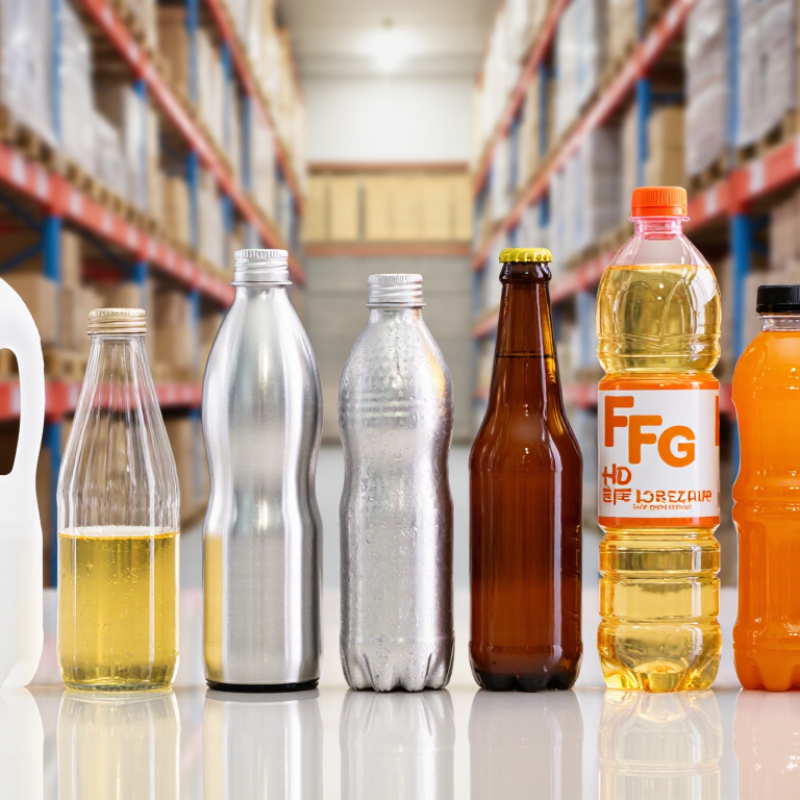
Bottle compatibility begins with the beverage, not the label design. PET suits carbonated drinks, juices, and water because it is light and impact-resistant. Recycled PET can reduce virgin plastic demand, but it may show more color variation. HDPE works well for milk drinks and still beverages. Polypropylene supports wider temperature ranges, including some hot-fill applications. Glass offers strong flavor protection and excellent transparency. Aluminum bottles block light effectively, but their internal coating needs careful testing. Barrier PET, lightweight PET, returnable glass, multilayer plastic, and heat-resistant PET complete the practical top ten.
Each bottle needs a compatibility check. Carbonation tests pressure retention and closure performance. Acidic juice can challenge liners and inner coatings. Dairy beverages may require stronger oxygen protection. Hot-fill products often reach 85–95°C, which can deform unsuitable plastic. The wrong neck finish may also cause leakage. Small details matter.
The OECD’s Global Plastics Outlook reports that packaging created 40% of global plastic waste in 2019. This strengthens the case for lightweight and recyclable formats, but recycling claims need evidence. In China, transport distance, filling temperature, and collection systems can change the best choice. A bottle that performs well in one factory may fail elsewhere. I have found that teams sometimes overvalue appearance and undervalue migration, oxygen ingress, and cap torque. That shortcut is risky. Test the filled bottle for shelf life, drop resistance, seal strength, and taste changes before scaling production. Industry guidance from ASTM and ISO supports this staged approach, although real beverages still behave differently in practice.
China Top 10 Bottle Types for Better Beverage Compatibility
China’s Top 10 Bottle Types and Their Ideal Beverage Uses
Beverage packaging choices depend on temperature, acidity, light exposure, and distribution distance. Clear PET bottles suit drinking water, tea, and low-acid juices. rPET bottles support recycled-content goals for chilled drinks, although supply consistency can vary. HDPE bottles work well for milk, yogurt drinks, and opaque beverages. Their strong walls protect products during busy retail handling.
Glass bottles preserve flavor for fruit juice, tea, and premium dairy drinks. Amber glass is better for light-sensitive beverages, including selected herbal drinks. Aluminum bottles suit carbonated beverages and require careful inner coatings. Stainless steel bottles are practical for hot tea, coffee, and refillable cold drinks. Ceramic bottles fit traditional tea beverages and gift-oriented products, but their weight increases transport demands.
Wide-neck bottles are useful for smoothies, protein drinks, and thicker dairy products. Aseptic multilayer bottles support shelf-stable milk and juice without constant refrigeration before opening. That benefit depends on reliable sealing and controlled filling conditions. In packaging assessments, I check closure performance, oxygen exposure, filling temperature, and customer handling. The “best” bottle is rarely universal. A beautiful glass container may fail when shipping costs rise. A lightweight plastic format may perform better, but its recycling value can be misunderstood. Local collection systems also change the practical environmental result. Some beverage applications still need more testing before a confident choice.
Beverage compatibility score based on commonly used packaging properties such as barrier performance, heat resistance, carbonation handling, weight, and recyclability.
Scores range from 1 to 5, where 5 indicates a strong practical fit for the beverage category. PET is widely suited to water and carbonated drinks, glass performs well for premium beverages and spirits, while aluminum and aseptic formats are effective for lightweight, shelf-stable packaging.
PET bottles
In China’s beverage market, PET bottles remain light, clear, and efficient for water, tea, and soft drinks. Their screw closures support fast filling, but oxygen can affect sensitive flavors.
Recycled PET
Recycled PET reduces virgin plastic use, although color, odor, and supply consistency need inspection.
HDPE bottles
HDPE bottles resist impact and suit milk, juice, and cloudy drinks. Their wide necks accept tamper-evident screw caps and simplify cleaning.
LDPE squeeze bottles
LDPE squeeze bottles work for concentrated drinks and sports beverages. Flexible walls improve dispensing, but they may deform during hot transport.
Glass bottles
Glass bottles provide strong flavor protection and a premium hand feel. Crown caps suit carbonated drinks, while threaded metal closures allow resealing. Amber glass offers better light protection, but its weight raises shipping demands.
Aluminum bottles
Aluminum bottles block light and cool quickly. Their threaded closures need careful torque control to prevent leakage.
Stainless steel bottles
Stainless steel bottles support repeated use and strong insulation. Silicone seals improve tightness, though they can retain odors without thorough washing.
Ceramic bottles
Ceramic bottles offer excellent barrier performance and a distinctive shape. Their cork, screw, or ceramic closures require precise matching and breakage testing.
Bag-in-bottle designs
Bag-in-bottle designs use a rigid outer shell with a flexible inner pouch. They reduce air contact after opening, but filling equipment becomes more complex.
Paper-based composite bottles
Paper-based composite bottles combine a fiber shell, barrier liner, and screw cap. They look promising, yet moisture resistance still deserves long-term testing.
No format wins every test.
I would check acidity, carbonation, temperature, light exposure, closure torque, and drop strength before approval.
A practical mistake is judging compatibility by appearance alone. Small liner or seal changes can alter taste, shelf life, and leakage performance.
Matching a bottle to the beverage starts with chemistry, not appearance. PET bottles suit water, juice, and many cold drinks because they are light and impact-resistant. Recycled PET can reduce material use, but it may need stronger quality controls. Glass protects flavor well and handles acidic drinks, although it adds weight and breakage risk. Aluminum containers cool quickly, but their inner coating must resist acidic or salty formulas.
HDPE bottles work well for dairy drinks and opaque beverages that need extra light protection. PP bottles tolerate warmer filling and repeated handling. Wide-mouth bottles support thick drinks, pulps, and products with added ingredients. Sports-cap designs improve drinking convenience, but their small channels can retain sticky residue.
Hot-fill bottles need controlled shapes and thicker walls to resist vacuum deformation. Multilayer barrier bottles protect sensitive beverages from oxygen, light, and moisture.
Storage conditions change the decision. A sweet tea stored in a hot warehouse may need stronger oxygen and light barriers than the same drink sold chilled. Carbonated beverages also require pressure-resistant designs and reliable closures. In packaging trials, small changes in neck size can affect filling speed, leakage, and consumer use. The best choice is not always the lightest one. A bottle can look efficient yet perform poorly during transport. I would test the filled container through heat exposure, drop testing, seal checks, and shelf-life evaluation. Some compatibility problems appear slowly. That part is easy to underestimate.
Safe, practical, market-ready bottles begin with the beverage, not the mold. PET, recycled PET, HDPE, PP, glass, aluminum, aseptic cartons, hot-fill PET, retortable plastic, and barrier multilayer bottles each solve different problems. Acidic juice needs tested barrier performance. Carbonated drinks need pressure resistance. Dairy beverages require stronger oxygen protection and cleanability.
Packaging teams should check migration, seal integrity, drop resistance, thermal stability, and cap torque. A clear bottle may look premium, but light-sensitive beverages can lose quality quickly. Glass feels reliable, yet transport weight increases. Recycled PET supports circularity, although color, odor, and supply consistency still need careful control. No bottle wins every test.
The OECD reported that packaging created about 40% of global plastic waste in 2019. UNEP’s 2023 report estimated that plastic pollution could be reduced by 80% by 2040 through reuse, recycling, and redesign. These figures make material efficiency a commercial issue, not only an environmental one. Bottle selection should also match local filling lines, collection systems, and food-contact requirements.
A practical trial uses the real beverage.
Test it for weeks, not hours. Our industry still overvalues appearance and underchecks closure performance. A market-ready bottle should survive filling, storage, shipping, opening, and repeated consumer handling without unpleasant surprises.
PET is lightweight and impact-resistant, making it suitable for water, tea, and many chilled beverages. Recycled PET may vary in color and supply consistency.
HDPE provides sturdy walls and helps protect opaque dairy drinks from light. For shelf-stable milk, aseptic multilayer bottles can work when filling and sealing are carefully controlled.
Glass protects flavor and handles acidic drinks well. It is heavier and can break during transport, so shipping conditions matter.
Test the inner coating against the beverage’s acidity and salt content. A coating that works for one formula may not suit another.
Polypropylene and specially designed hot-fill bottles may tolerate higher temperatures. Some hot-fill products reach 85–95°C, so verify the bottle’s shape and wall strength.
Choose a pressure-resistant bottle with a reliable closure. Test pressure retention, cap performance, and leakage before production scales up.
It can make filling and drinking easier for smoothies, pulpy juices, and thick dairy drinks. Sticky products may leave residue around the opening.
Heat, light, and long transport distances can increase the need for oxygen and light protection. A drink stored in a hot warehouse may need more protection than one kept chilled.
Test the filled bottle for shelf life, taste changes, seal strength, and drop resistance. Check filling temperature and cap torque, too; small details can cause trouble.
Not necessarily. A lighter bottle may reduce material use, but poor transport performance or limited local collection can change its practical value.
China’s beverage packaging market offers a wide range of bottle types designed to suit different drink characteristics, filling methods, and storage conditions. This overview introduces ten practical bottle options, including plastic, glass, lightweight, wide-mouth, narrow-neck, and specialty shapes. It explains how material selection, bottle structure, wall thickness, closure design, and surface features influence durability, sealing performance, usability, and product protection. Each bottle type is connected with suitable beverage applications, helping producers understand how packaging choices affect freshness, convenience, transport, and shelf presentation.
The article also presents a practical framework to Improve the compatibility of bottles with different beverages by considering acidity, carbonation, viscosity, temperature, light sensitivity, and expected shelf life. It highlights selection standards for safe, functional, cost-conscious, and market-ready packaging, while emphasizing reliable sealing, appropriate material performance, easy handling, and efficient storage. By matching bottle design with beverage properties and distribution needs, manufacturers can create packaging that supports product quality and a consistent consumer experience.
