Elevate Bottle
When selecting drinking bottles for kids, safety is a top priority for parents. Choosing safe materials is crucial. Dr. Emily Clark, an expert in child safety products, emphasizes, "To improve the safety of kids' drinking bottle materials, we must avoid harmful chemicals." Bottles made from safe, BPA-free plastics and stainless steel are popular choices.
Many parents remain unaware of potential risks. Some materials may leach chemicals during use. For instance, a bottle left in the sun can release toxins. While it’s essential to trust brands, not all manufacturers have rigorous safety standards. Transparency is key.
Parents must remain vigilant. Researching brands and understanding materials can prevent harm. Look for certifications that ensure safety. Consulting experts can also enhance knowledge. Making informed choices is vital for your child’s health.
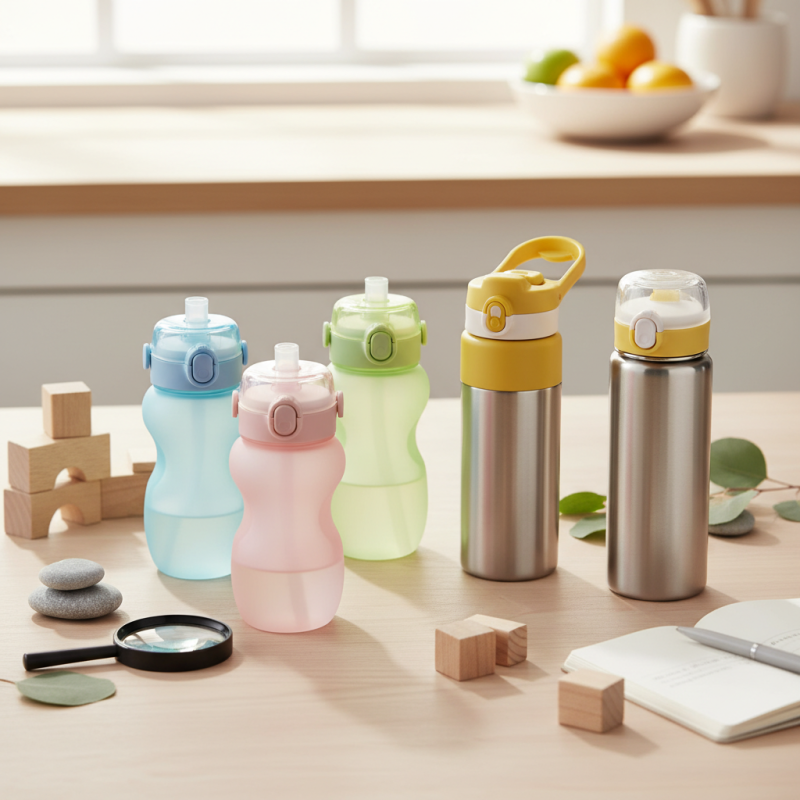
When choosing drinking bottles for kids, the materials used matter greatly. Safe materials can protect children from harmful chemicals. Many parents don’t realize that some plastics contain BPA. This chemical can interfere with hormones and lead to health issues over time.
Look for bottles made from stainless steel or glass. These materials are not only safer but also durable. Stainless steel bottles keep drinks cold or hot for longer. Glass bottles may sometimes break but are easily recyclable.
Tips for choosing safe materials:
- Always check for BPA-free labels.
- Avoid colorful plastic that may contain toxins.
- Consider insulated options to reduce the need for single-use plastics.
Parents should also be aware of the bottle's cleaning process. Some materials can be tricky to clean, leading to potential mold growth. A bottle that is easy to wash is vital for maintaining hygiene. Regularly examine bottles for signs of wear and tear to ensure safety.
When selecting drinking bottles for kids, it's crucial to focus on safety. Many materials used in these bottles can contain harmful chemicals. One of the most concerning substances is bisphenol A (BPA), commonly found in plastics. Studies indicate that BPA can interfere with hormonal development in children, posing long-term health risks.
Another chemical to watch out for is phthalates. These are used to make plastics more flexible. Research shows that phthalates can lead to reproductive and developmental issues. In fact, the CDC reports that phthalate exposure is prevalent in children, raising alarm among health experts.
Tips: Choose bottles labeled as “BPA-free” and look for certifications from recognized safety organizations. Regularly check the condition of bottles. Cracks can lead to further chemical leaching.
Lastly, polyvinyl chloride (PVC) is another plastic to avoid. This material can release toxic additives and is linked to various health risks. The American Academy of Pediatrics urges caregivers to be vigilant and select safer alternatives, such as stainless steel or glass. These options not only reduce exposure but can also be more durable.
When selecting materials for kids' drinking bottles, it’s essential to understand the options. Plastic, stainless steel, and glass each have their pros and cons. According to the American Academy of Pediatrics, certain plastics can leach harmful chemicals like BPA. This can disrupt endocrine functions in children and raise health concerns. Many parents prefer stainless steel, which is durable and free from harmful substances. Studies from the International Stainless Steel Forum show that stainless steel bottles can last for years if maintained properly.
Glass is another popular choice. It’s non-toxic and doesn't leach chemicals. However, it is heavier and more prone to breaking. A report by the Consumer Product Safety Commission highlights the risks associated with glass bottles, especially in active environments. Many parents worry about the potential for injury if a glass bottle breaks. While it’s important to choose safe materials, one must also consider practicality in daily use and the child's activity level.
Choosing the right material requires careful thought. Each option holds potential risks and benefits. Parents must weigh safety against practicality. Assessing personal lifestyle, and how much care you can offer a material, can lead to better choices for your child. Each family’s needs will differ, and there is no perfect solution. Balancing these factors is critical in making a safe choice.
| Material | Safety | Durability | Weight | Eco-Friendliness |
|---|---|---|---|---|
| Plastic | May contain BPA, non-toxic options available | Moderate | Lightweight | Recyclable |
| Stainless Steel | Safe, no leaching | Very durable | Moderate | Recyclable |
| Glass | Safe, no chemicals leaching | Fragile | Heavy | Recyclable |
When selecting materials for kids' drinking bottles, safety certifications play a crucial role. Many parents are unaware that not all materials are created equal. According to a report by the American Academy of Pediatrics, nearly 10 million children are affected by BPA exposure from plastic products. BPA, or Bisphenol A, is a chemical linked to hormonal disruptions and developmental issues. Therefore, looking for bottles that are BPA-free is essential.
Safety standards, such as those developed by the Consumer Product Safety Commission (CPSC), provide guidelines on acceptable materials. Bottles made from stainless steel or glass are often recommended. These materials do not leach harmful chemicals. Additionally, look for certifications like FDA approval, which ensures that the product meets specific safety criteria. Some parents may overlook that while a bottle is labeled "safe", it could still lack adequate testing or certifications.
It's crucial to check labels for certifications. An estimated 30% of parents do not verify safety claims. This oversight can lead to unintended health risks. Reviewing third-party testing reports can also provide reassurance. Trustworthy brands usually share testing outcomes. However, not all companies are transparent. This reality calls for cautious consumer practices. Parents should ask questions and seek information actively.
Choosing safe materials for kids' drinking bottles is crucial for their health. Parents should prioritize BPA-free plastics, stainless steel, or glass. Research indicates that about 20% of parents are unaware of harmful chemicals in common products. Most experts recommend bottles made from 304-grade stainless steel. This material is resistant to rust and does not leach harmful substances.
When maintaining these bottles, it's essential to clean them regularly. A study showed that nearly 60% of parents do not clean their child's bottle daily. Bacteria can grow in residues left behind. Consider using warm soapy water or a vinegar solution. Avoid abrasive cleaners that can scratch the bottle’s surface.
Look out for signs of wear, such as cracks or discoloration. These can harbor bacteria. These minor imperfections often go unnoticed and can pose health risks. Regularly check for these issues to ensure the bottle remains safe for use. By taking these steps, parents can greatly reduce health risks associated with improper materials and maintenance.
: Stainless steel and glass are the safest options. They are durable and do not contain harmful chemicals.
Some plastics contain BPA, which can disrupt hormones and pose health risks over time.
Always check for BPA-free labels on the bottle. This is crucial for safety.
Stainless steel bottles keep drinks at temperature longer and are resistant to wear.
Glass is non-toxic but can break easily. It should be used with caution, especially for active kids.
Choose bottles that are easy to clean and regularly inspect them for mold or wear.
It's best to avoid colorful plastics as they might contain harmful toxins.
Consider safety, practicality, and your child's activity level before making a choice.
No, each family’s needs are different. It's important to balance safety with day-to-day practicality.
While glass is safe, the risk of breakage in active settings can lead to injury concerns.
When selecting drinking bottles for children, it is crucial to prioritize safe materials to ensure their health and well-being. Understanding the significance of choosing appropriate materials is the first step—parents should be aware of common harmful chemicals such as BPA, phthalates, and lead found in some plastics. Evaluating different materials, including plastic, stainless steel, and glass, is essential, as each comes with distinct safety features and benefits.
To improve the safety of kids' drinking bottle materials, parents should look for products that meet safety certifications and standards, which can provide additional assurance. Additionally, maintaining these bottles through proper cleaning and care can prolong their lifespan and safety. By following these guidelines, parents can make informed choices that contribute to their children's health and safety.
