Elevate Bottle Elevate Bottle

Top 10 Eco Friendly Materials for Reusable Bottles?

Time:2026-07-07 Author:Isabella
0%

In today’s world, the need for sustainable solutions is crucial. Eco-friendly materials for reusable bottles play a vital role in reducing our environmental impact. According to Dr. Emily Green, an expert in sustainable materials, “To truly enhance the eco-friendliness of reusable bottle materials, we must prioritize innovation and sustainability.” Her insight sheds light on the importance of choosing the right materials.

Many consumers are unaware of how their choices affect the planet. From bamboo to recycled plastics, options exist that can minimize waste. While some materials seem promising, not all are created equal. Each option comes with its own trade-offs and environmental footprint. Understanding these nuances can help consumers make informed decisions.

The market is evolving, yet challenges remain. Education around material sourcing and production is essential. Many companies promote new materials, but their actual sustainability can vary immensely. Consumers must critically assess these claims. The pursuit of enhancing eco-friendliness in reusable bottles remains a journey, not a destination. Each step toward better materials counts.
Top 10 Eco Friendly Materials for Reusable Bottles?

Definition and Importance of Eco-Friendly Materials in Reusable Bottles

Eco-friendly materials are crucial in the design of reusable bottles. These materials minimize environmental impact and enhance sustainability. The use of sustainable resources reduces reliance on plastic. Reports indicate that over 30% of plastic waste is attributable to single-use containers. This highlights the importance of switching to durable alternatives.

Research shows that materials like stainless steel and glass are highly favored. They are recyclable, long-lasting, and safe for consumers. A study by the Ellen MacArthur Foundation states that, if we shift to reusable containers, we can reduce plastic pollution by over 70%. Bamboo and silicone also emerge as viable options. They offer unique properties while being biodegradable and non-toxic.

However, not all eco-friendly materials are perfect. Some may have a higher carbon footprint during production. The lifecycle impact is significant and often overlooked. Consumers should consider both the benefits and downsides of materials. Transparency in sourcing and manufacturing processes is essential. Engaging with reputable studies and data will facilitate better decisions for both the environment and personal health.

Top 10 Eco-Friendly Materials Used in the Production of Reusable Bottles

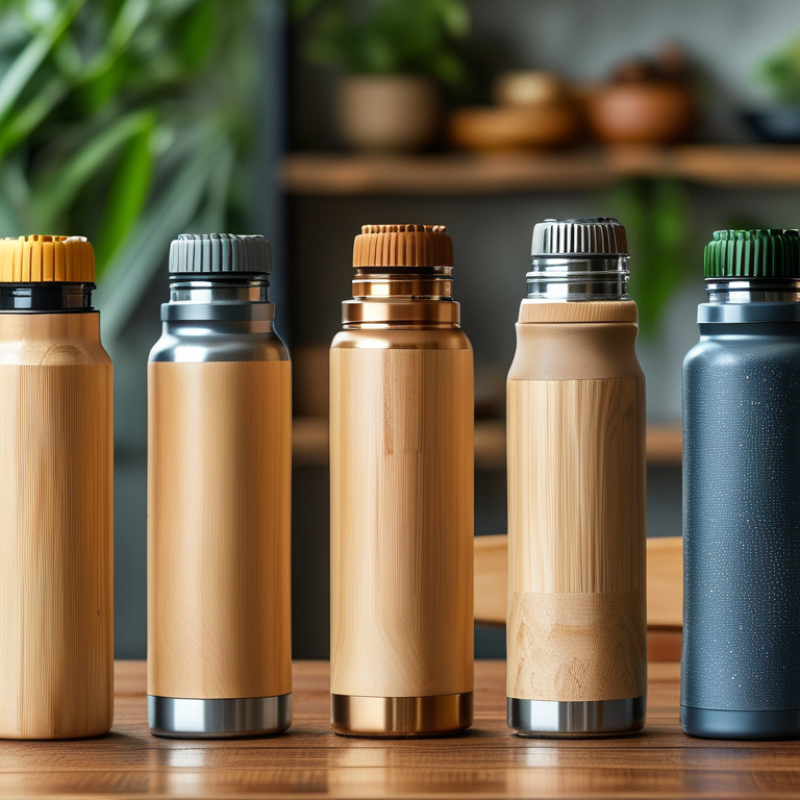
When it comes to eco-friendly materials for reusable bottles, several options stand out. One popular choice is stainless steel. This material is durable and resistant to corrosion. It keeps drinks cold or hot for hours. Another material is glass. Glass bottles are recyclable and do not leach harmful chemicals. They are perfect for those who dislike metallic tastes. Bamboo is also gaining popularity. It’s lightweight and biodegradable, making it an attractive option.

Tips: Always check the labels on materials for safety certifications. Not all plastics are created equal. Some may contain BPA, a harmful chemical. Consider choosing bottles made from Tritan™ or polyethylene, as they are safer alternatives.

Wood fibers are an interesting addition. These give a unique finish to bottles and are sustainable. Some companies are blending traditional plastics with natural fibers. While these designs look appealing, their effectiveness in recycling is still under discussion.

Another option is silicone, which is flexible and durable. It provides a soft grip, but recycling options can vary. The challenge lies in understanding what happens at the end of the product's life. Choosing the right materials is crucial in reducing waste. Assess their long-term environmental impacts.

Comparative Analysis of Durability and Sustainability of Each Material

When choosing eco-friendly materials for reusable bottles, durability and sustainability are crucial. Some materials, like stainless steel, stand out for their longevity. They resist dents and corrosion. Yet, they require energy-intensive processes for production. This raises questions about their overall environmental impact.

Bioplastics, made from renewable sources, offer a promising alternative. They decompose faster than traditional plastics. However, they may lack the durability of metal and glass options. Users often report that these bottles can crack or wear down more quickly under pressure.

Glass is another strong contender. It is entirely recyclable and does not leach chemicals. Yet, its fragility poses challenges. Broken glass is a hazard, limiting its practicality. These considerations illustrate the trade-offs involved in selecting reusable bottles. Each material presents unique advantages and drawbacks. Evaluating them requires reflection on personal values and usage patterns.

Top 10 Eco Friendly Materials for Reusable Bottles

Innovative Technologies Enhancing Eco-Friendliness of Bottle Production

Innovative technologies are transforming the production of eco-friendly bottles. Many manufacturers are now adopting plant-based materials. Studies show that using bioplastics can reduce carbon emissions by up to 70% compared to conventional plastics. This shift is crucial for combating climate change.

Recycling processes are also improving. Advanced sorting technologies increase the recycling rates of plastics. According to the Environmental Protection Agency, only 9% of plastics are recycled globally. However, new chemical recycling methods could potentially convert 90% of polymer waste back into usable materials, giving them a second life.

The use of renewable energy in manufacturing adds another layer of sustainability. Powering facilities with wind or solar energy can cut down fossil fuel consumption significantly. Despite these advancements, challenges remain. Scaling these technologies to meet global demands requires investment and innovation. Continuous research and development are essential to make these eco-friendly practices mainstream.

Consumer Trends and Preferences in Eco-Friendly Bottle Choices

The shift towards eco-friendly materials in reusable bottles is driven by consumer preferences for sustainability. According to a recent report from the Eco-Packaging Alliance, over 70% of consumers prioritize environmentally friendly options when choosing reusable bottles. Not only does this trend reflect a growing awareness of environmental issues, but it also highlights an evolving market landscape.

Research indicates that materials like stainless steel, glass, and bamboo are gaining traction. Consumers often associate these materials with higher quality and better performance. However, challenges persist. For instance, some consumers struggle with the weight of glass bottles. Others find that bamboo can wear down over time. These imperfections remind us that while we seek sustainable solutions, compromises in functionality can sometimes arise.

Tip: When shopping for reusable bottles, consider your lifestyle. A lightweight option may benefit active users.

Tip: Look for certifications that verify eco-friendliness, as not all products labeled “green” meet the standards.

As consumers become more discerning, brands must adapt. Transparency regarding sourcing and production methods is vital. Only then can companies build trust and ensure alignment with consumer values.

FAQS

: What materials are being used in eco-friendly bottles?

: Manufacturers are using plant-based materials to produce eco-friendly bottles. Bioplastics are one common option.

How do bioplastics impact carbon emissions?

Bioplastics can reduce carbon emissions by up to 70% compared to conventional plastics. This is significant for addressing climate change.

What advancements are being made in recycling processes?

Advanced sorting technologies are improving recycling rates. New chemical recycling methods could convert 90% of waste back into usable materials.

How does renewable energy factor into bottle production?

Using wind or solar energy can significantly cut fossil fuel consumption in manufacturing processes. It's a sustainable choice.

Are consumers interested in eco-friendly bottles?

Yes, over 70% of consumers prefer eco-friendly options when selecting reusable bottles. Awareness of environmental issues drives this trend.

What materials are popular among consumers for reusable bottles?

Stainless steel, glass, and bamboo are gaining popularity. Consumers often associate these materials with quality and performance.

What challenges do consumers face with glass and bamboo bottles?

Glass bottles can be heavy, while bamboo may wear down over time. These factors remind us of possible compromises in functionality.

How can consumers ensure they're buying truly eco-friendly products?

Checking for certifications can help verify eco-friendliness. Not all products marketed as “green” meet the required standards.

Why is transparency important in eco-friendly production?

Transparency about sourcing and production helps build trust with consumers. It aligns brands with evolving consumer values.

What should consumers consider when shopping for reusable bottles?

Consider your lifestyle. A lightweight option might be better for active users who need convenience while being eco-friendly.

Conclusion

The article "Top 10 Eco Friendly Materials for Reusable Bottles" explores the significance of eco-friendly materials in the production of reusable bottles, emphasizing their role in sustainability and environmental conservation. It lists the top ten materials known for their eco-friendliness, providing a comparative analysis of their durability and sustainability. Additionally, it discusses innovative technologies that enhance the eco-friendliness of reusable bottle materials, showcasing how advancements can lead to more environmentally responsible products.

Consumer trends are also examined, revealing preferences for sustainable options and how they drive the market towards greener alternatives. By understanding these factors, both manufacturers and consumers can make informed choices that contribute to reducing environmental impact and promoting a more sustainable future.

Isabella

Isabella

Isabella is a dedicated marketing professional with a sharp focus on driving brand growth and engagement through strategic content creation. With an extensive background in digital marketing, she combines her passion for storytelling with her keen understanding of industry trends to deliver......