Elevate Bottle Elevate Bottle

How to Enhance Scratch Resistance on Bottle Surfaces?

Time:2026-06-13 Author:Charlotte
0%

Enhancing the scratch resistance of bottle surfaces is a crucial topic in the packaging industry. Bottles often encounter rough handling, leading to unsightly scratches that diminish their aesthetic appeal. As consumers become more selective, the requirement for durable packaging surfaces becomes evident.

Various methods exist to enhance the scratch resistance of bottle surfaces. Coatings and treatments can provide a tougher exterior. However, not all solutions are suitable for every type of bottle. For instance, glass and plastic bottles require different approaches. Understanding the materials involved is essential for effective enhancement.

Despite advancements in technology, challenges remain. Some coatings may alter the bottle's clarity or color, which is a significant drawback. Testing and refinement are necessary to achieve the desired balance between durability and visual appeal. Extensive research and expert insight are invaluable in addressing these concerns, ensuring that the solutions not only work but are also practical for manufacturers.
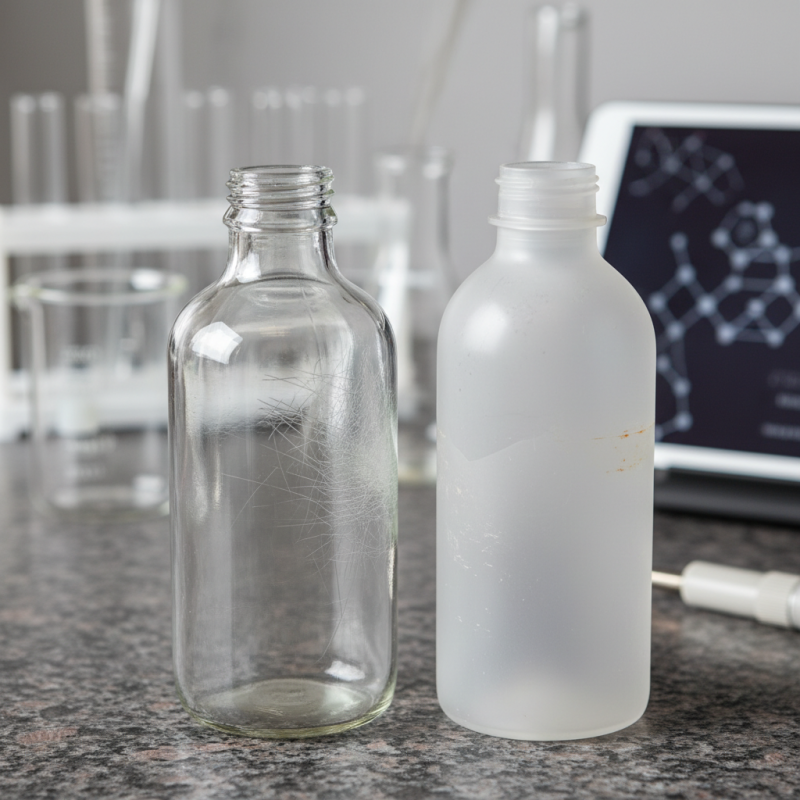
How to Enhance Scratch Resistance on Bottle Surfaces?

Understanding Scratch Resistance on Bottle Surfaces

Understanding scratch resistance on bottle surfaces is essential for both manufacturers and consumers. Bottles made of materials like glass or plastic are prone to scratches. These blemishes can detract from their appearance and functionality. It’s vital to understand the factors that contribute to scratch resistance.

Material choice plays a key role. Certain plastics, like polycarbonate and PETG, offer better resistance than others. However, not all formulations are equal; some may scratch more easily. Coatings can also enhance scratch resistance. Clear coatings provide a barrier against physical abrasion, while advanced treatments can alter the surface structure.

Manufacturers must consider production processes as well. Proper molding and finishing techniques can influence scratch resistance. Inconsistent quality can lead to weak spots. Consumers should reflect on how they use these bottles. Regular exposure to rough surfaces can cause wear over time. Understanding these aspects can lead to better choices when selecting bottled products.

Common Materials Used for Bottles and Their Scratch Vulnerabilities

When discussing common materials used for bottles, it's crucial to recognize their unique vulnerabilities to scratches. Glass is often seen as the most elegant choice. However, it can shatter easily. Even a small scratch can compromise its integrity, leading to breakage.

Plastic bottles are popular due to their lightweight nature. Yet, they tend to scratch more easily. PET or polycarbonate bottles may appear smooth, but they quickly show wear after frequent use. It's surprising how even minor contact can leave marks.

Stainless steel bottles offer better resistance. Still, they can acquire micro-scratches over time, which may dull their appearance.

Each material has trade-offs that require reflection. What might look great initially may not perform well long-term. Understanding these vulnerabilities helps in choosing the right bottle for specific needs.

Users should also consider how their lifestyle affects the durability of these materials. Regular cleaning can reduce visible scratches, but it requires effort and care.

Techniques for Enhancing Scratch Resistance in Bottle Manufacturing

In the competitive world of bottle manufacturing, enhancing scratch resistance is essential for product durability. Various techniques can be employed to improve the surface integrity of bottles. One effective method is to apply scratch-resistant coatings. These coatings can significantly improve resistance against everyday wear and tear. However, the application process can be tricky. Achieving an even layer that doesn't compromise clarity often proves challenging.

Another technique involves using high-performance materials during the manufacturing process. Bottles made from polycarbonate or PMMA offer better scratch resistance compared to standard glass or plastic. Yet, these materials can lead to increased production costs. Manufacturers must find a balance between cost and performance, which is a constant struggle in many industries.

Furthermore, incorporating surface treatments can also enhance durability. Techniques like plasma treatment or chemical etching provide a more robust protective layer. Nevertheless, these methods require careful handling and can affect color and texture. Exploring these options involves ongoing research and testing, as what works for one design may not suit another.

How to Enhance Scratch Resistance on Bottle Surfaces?

Technique Material Type Effectiveness (%) Cost ($/kg) Application Method
Coating Polyurethane 85 20 Spray
Additive Silica 75 15 Mixing
Surface Treatment Glass 90 30 Thermal
Polymer Blending PETG 80 25 Extrusion
Nano-coating Ceramic 95 50 Dip

The Role of Coatings and Treatments in Scratch Prevention

Scratch resistance on bottle surfaces is crucial for both aesthetics and functionality. Coatings and treatments play a vital role in enhancing this resistance. According to a recent industry report, scratches can reduce the lifespan of plastic bottles by as much as 30%. This degradation affects not just the appearance but also the safety of the contents within.

Various types of coatings, such as polyurethane and silicone-based solutions, provide effective defense against scratches. These coatings form a protective layer that absorbs impacts. Research indicates that bottles treated with such coatings can withstand up to four times more scratch damage compared to untreated surfaces. However, the application process can be inconsistent, leading to areas of vulnerability. Some bottles may experience uneven coverage, which calls for rigorous quality control.

Another method includes surface treatments like plasma coatings. This technology enhances adhesion and offers superior scratch resistance. A study revealed that bottles undergoing plasma treatment showed over 50% improvement in scratch resistance. Despite these advancements, there are challenges in scalability and cost-effectiveness. Ensuring that all processes align with industry standards remains a key factor for widespread adoption.

Best Practices for Maintaining Scratch Resistance in Everyday Use

Maintaining scratch resistance on bottle surfaces is crucial for longevity. Everyday use can quickly lead to unsightly scratches. Here are some best practices to enhance scratch resistance.

Store bottles in padded sleeves or containers. This reduces friction against other items. Keep bottles away from sharp objects. Even trivial contact can leave marks. Use a microfiber cloth for cleaning. Regular cleaning prevents grit buildup that may cause scratches.

**Tip:** When transporting your bottles, wrap them in soft materials. This simple step can save your bottles from scratches.

Avoid abrasive cleaners. These can damage the surface finish. Instead, opt for mild soap and water. If needed, consider using a gentle scrub pad. Test it on a small area first. Listen to your instincts. If it looks wrong, it probably is.

**Tip:** Regularly inspect your bottles for any signs of wear. Early detection allows for prompt care, preserving scratch resistance.

Using these practices will help maintain the aesthetic and functional qualities of your bottles.

How to Enhance Scratch Resistance on Bottle Surfaces?

This chart illustrates various factors influencing the scratch resistance of bottle surfaces. Each factor is scored on a scale of 100, highlighting the significance of material quality, coating type, and regular maintenance.

FAQS

: Why is scratch resistance important for bottles?

: Scratch resistance enhances appearance and functionality, which affects consumer satisfaction.

What materials offer better scratch resistance?

Polycarbonate and PETG are better options compared to standard glass or plastic.

How can coatings improve scratch resistance?

Coatings create a barrier against abrasion, enhancing the bottle's surface durability.

What impact do production processes have on scratch resistance?

Proper molding and finishing techniques can prevent weak spots that lead to scratches.

What practices can help maintain scratch resistance?

Store bottles in padded sleeves and avoid sharp objects to reduce scratches.

How should bottles be cleaned to preserve scratch resistance?

Use mild soap and water. Avoid abrasive cleaners that can damage surfaces.

What should consumers do if they notice scratches?

Regularly inspect bottles and address wear early to maintain scratch resistance.

What are some challenges in applying scratch-resistant coatings?

Achieving an even layer without compromising clarity can be challenging.

Why might manufacturers choose high-performance materials?

High-performance materials offer better resistance but may increase production costs.

What should you do if your cleaning method feels wrong?

Trust your instincts. If it seems off, reconsider your cleaning approach.

Conclusion

Enhancing the scratch resistance of bottle surfaces is crucial for maintaining their aesthetic appeal and durability. Understanding the different materials commonly used in bottle manufacturing reveals their unique vulnerabilities to scratches. For instance, glass and certain plastics can be prone to scratches depending on their composition and treatment.

To mitigate these vulnerabilities, manufacturers can employ various techniques during the production process, including the use of advanced polymers and the application of innovative coatings. These coatings not only provide a protective layer but also improve the overall longevity of the bottles. Additionally, best practices for everyday maintenance, such as proper storage and careful handling, can significantly contribute to preserving the scratch resistance of bottles, ensuring they remain visually appealing and functional over time.

Charlotte

Charlotte

Charlotte is a seasoned marketing professional with a deep understanding of the company's portfolio and a passion for elevating its presence in the market. With a keen eye for detail and a commitment to excellence, she ensures that our professional blog is regularly updated with insightful articles......