Elevate Bottle
When enjoying the great outdoors, staying hydrated is essential. Outdoor water bottles face various environmental challenges, especially from the sun's harmful UV rays. These rays can degrade the materials of your bottle, affecting both its durability and the safety of your drinking water. To enhance the UV resistance of outdoor water bottles, specific strategies can be employed.
Understanding how UV exposure impacts your water bottle is crucial. Many consumers overlook the long-term effects of sun exposure on their bottles. Investing in UV-resistant materials is a key step for outdoor enthusiasts. Coatings and additives can also play a role in enhancing the UV resistance of outdoor water bottles. Some features may not be readily visible, yet they can greatly improve the lifespan of your gear.
Reflecting on personal experiences, we often realize that not all bottles are created equal. Some may fade, crack, or even leach harmful substances when exposed to the sun. It’s important to choose wisely and learn effective methods for enhancing UV resistance. By prioritizing durability and UV protection, you ensure safe and refreshing hydration during your adventures. Remember, your water bottle is an investment in your health and outdoor experiences.
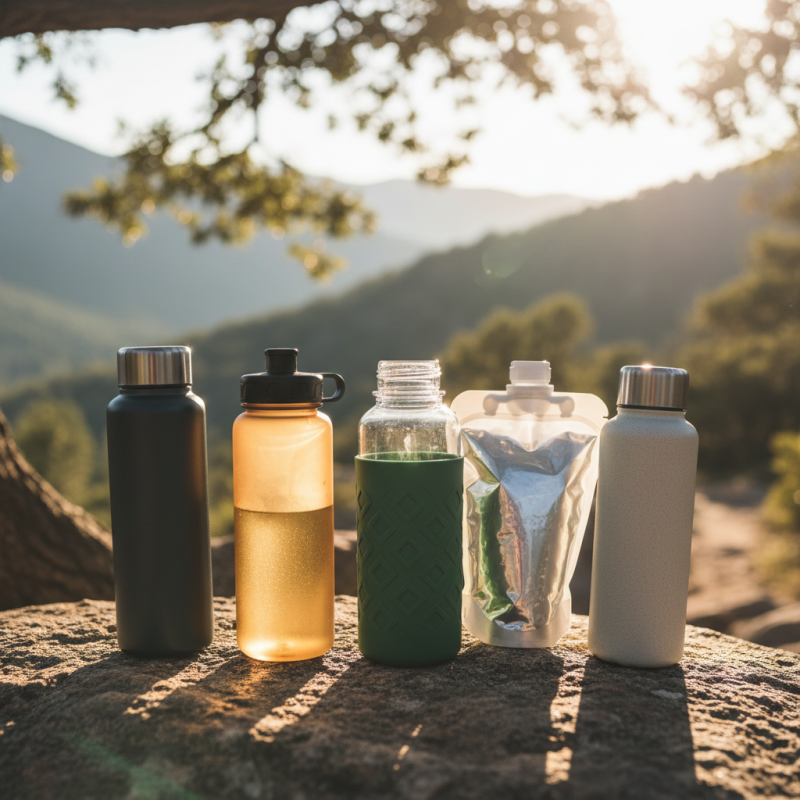
Understanding UV resistance in outdoor water bottles is crucial for consumers who seek durability and safety. Ultraviolet (UV) rays can degrade materials over time, leading to potential health risks. Research indicates that prolonged exposure to UV light may cause plastics to release harmful chemicals. This makes selecting UV-resistant materials essential for outdoor water bottles.
One effective way to enhance UV resistance is to choose bottles made from specialized polymers. Materials like Tritan or polycarbonate offer better protection against UV degradation. These bottles usually pass rigorous tests, ensuring they can withstand harsh sunlight.
Another tip is to store bottles in shaded areas when not in use. Direct sunlight can accelerate the breakdown of plastic, even in supposedly UV-resistant bottles. Regularly replacing outdoor bottles every two to three years can also mitigate risks associated with UV exposure. Remember, even the best materials can falter if not cared for properly.
Maintaining awareness of these details can significantly impact the longevity and safety of water bottles. Evaluating UV resistance helps ensure not only the durability of your bottle but also your health. Consider these tips as essential steps in your outdoor adventures.
When it comes to outdoor water bottles, the choice of materials is crucial for UV protection. UV rays can break down plastic and compromise the integrity of the bottle. Long-term exposure to sunlight can lead to leaching of harmful substances into the water. This is why selecting high-quality, UV-resistant materials is essential.
BPA-free plastics are often a good option. They resist UV damage and are safer for health. Tritan and polyethylene are also popular choices, known for their durability and resistance to sunlight. Additionally, consider bottles with UV-blocking coatings. These coatings act as a shield against harmful rays, prolonging the life of your bottle.
Another aspect often overlooked is maintenance. Even the best materials can degrade if not properly cared for. Regularly clean the bottle, as dirt can attract UV damage. Check for scratches or cracks, as these can invite further deterioration. Evaluating the condition of your bottle helps ensure that it provides safe hydration. Developing these habits enhances both durability and safety in your outdoor adventures.
When choosing outdoor water bottles, UV resistance is crucial. Incorporating UV-blocking coatings and treatments can greatly enhance this feature. These coatings help prevent harmful UV rays from degrading the materials. Without proper protection, bottles may warp or discolor over time.
One popular method is to apply a UV-blocking layer during manufacturing. This process ensures that the protective element is uniform and effective. Additionally, some companies use treatments that can be reapplied over time. This can restore lost protection. Not all treatments last equally, and effectiveness can vary. Frequent applications may be necessary, which means added maintenance.
It's important to consider the type of material used in a bottle. Some plastics may inherently block UV light, while others do not. Reflecting on long-term usage is essential. Are you consistently exposing your bottle to sunlight? Understanding how UV exposure affects your bottle's lifespan can lead to better choices. Testing different coatings and their durability in real-life conditions can be insightful, even if results are imperfect.
When designing outdoor water bottles, the choice of materials significantly impacts UV resistance. Polyethylene and Tritan, for example, are popular materials known for their higher UV stability. Research indicates that bottles made from these materials can resist UV rays more effectively compared to traditional plastics. A study published in the Journal of Plastic Engineering highlighted that UV inhibitors incorporated into polymers can enhance durability by up to 50%.
Another critical design feature is the incorporation of UV-resistant coatings. These coatings can absorb harmful UVA and UVB radiation, helping to protect the contents inside the bottle. Reports show that bottles with these coatings maintain their integrity longer when exposed to sunlight. This is essential, considering that prolonged sunlight exposure can degrade plastic, leading to chemical leaching.
Moreover, the color of outdoor bottles plays a crucial role in UV resistance. Darker colors tend to absorb more UV radiation, while lighter colors reflect some of it. A study from the American Chemical Society noted that using lighter shades can reduce internal temperature and limit material degradation. Therefore, choosing the right color is not just an aesthetic decision but a functional one. Ultimately, the thoughtful integration of these features can significantly enhance the UV resistance of outdoor water bottles.
Caring for UV-resistant outdoor water bottles requires attention and proper practices. Start by storing your bottles in a cool, shaded area when not in use. Direct sunlight can degrade even UV-resistant materials over time. Avoid leaving your bottles in hot cars or exposed to extreme heat. This minimizes potential damage and preserves the bottle's integrity.
Regular cleaning is essential. Rinse your bottle after each use. Use mild soap and warm water to deep clean it weekly. Scrub the interior and exterior gently. This prevents buildup that can compromise UV resistance. Consider using a bottle brush for those hard-to-reach spots. A clean bottle not only looks good but also functions better.
Inspect your bottles occasionally for signs of wear or UV damage. Look for fading colors or cracks. If you spot any, it’s time to replace the bottle. Reflection on usage habits is crucial. Are you keeping your bottles safe? Are you diligent about cleaning? These small practices can significantly extend the life of your outdoor gear.
: BPA-free plastics, Tritan, and polyethylene offer good UV resistance and durability.
UV rays can break down plastic. This may lead to leaching harmful substances into the water.
Coatings shield against harmful rays, prolonging the bottle's life and protecting its contents.
Regular cleaning prevents dirt from attracting UV damage. Check for scratches to avoid further degradation.
Yes, darker colors absorb UV radiation, while lighter colors reflect it, reducing internal temperature.
Incorporation of UV inhibitors in polymers can enhance durability by up to 50%.
No, traditional plastics are less effective and can degrade faster under UV exposure.
Long-term exposure can lead to chemical leaching and deterioration of bottle integrity.
Evaluating prevents unnoticed damage, ensuring the bottle continues to provide safe hydration.
Yes, lighter shades reflect UV rays, limiting material degradation and helping maintain bottle integrity.
To enhance the UV resistance of outdoor water bottles, it is crucial to understand the factors contributing to UV degradation. Selecting the right materials, such as those specifically designed for UV protection, plays a significant role in prolonging the lifespan of these bottles. Additionally, incorporating UV-blocking coatings and treatments can significantly reduce the damage caused by prolonged sun exposure.
Design features also contribute to the overall UV resistance; for example, utilizing darker colors or double-walled designs can offer extra protection. Finally, maintaining and caring for UV-resistant water bottles ensures they perform optimally over time. Implementing these strategies collectively enables users to effectively enhance the UV resistance of outdoor water bottles, ensuring safer hydration in varying outdoor conditions.