Traveling often requires hydration, making the portability of travel water bottles a key concern. Many travelers struggle with bulky and heavy designs. This can lead to frustration, especially when packing light. To truly enhance the portability of travel water bottles, we must explore innovative solutions that cater to the needs of modern adventurers.
Design plays a crucial role in making water bottles easy to carry. Compact, collapsible models gain popularity for their lightweight features. However, users often find they sacrifice durability for size. There is a delicate balance between weight and sturdiness that needs careful consideration. Additionally, some designs may leak, defeating the purpose of portability. Therefore, finding reliable materials is essential for enhancing functionality.
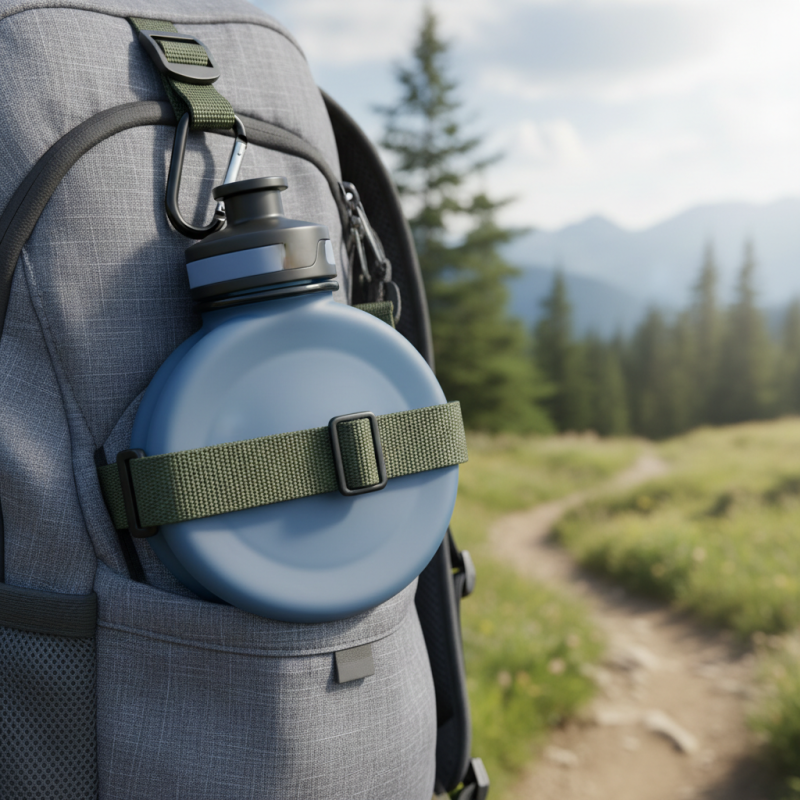
Adjustable straps and integrated clips can also improve portability. Still, not every design incorporates these features effectively. A portable travel water bottle should fit easily into backpacks or bags without adding bulk. By evaluating current trends and user preferences, we can identify the best approaches. In doing so, we can successfully enhance the portability of travel water bottles for an enjoyable traveling experience.
Benefits of Lightweight Materials for Travel Water Bottles
Lightweight materials are crucial for enhancing the portability of travel water bottles. A recent report by IBISWorld highlights that the demand for portable hydration solutions is surging, particularly among trekking enthusiasts. As travelers seek convenience, a lighter bottle significantly reduces overall baggage weight. Studies show that a water bottle weighing under 200 grams can be easily carried without adding strain to one’s travel gear.
Using lightweight materials like Tritan or aluminum can lead to a remarkable drop in weight. For instance, Tritan water bottles can weigh as little as 60 grams, making them ideal for long hikes or city explorations. Additionally, these materials remain durable under various conditions. However, reliance on such materials can raise concerns about long-term environmental impacts. Many consumers face a dilemma between portability and sustainability. It is important to educate travelers on responsible disposal or recycling of these lightweight products.
Flexibility in design is another advantage of lightweight bottles. Many models now feature collapsible or foldable designs, which can save space during travel. According to Statista, collapsible bottle demand increased by 15% in the last year. Nonetheless, the balance of weight versus durability remains a challenge. While lightweight options are convenient, they may not withstand heavy usage as well as their heavier counterparts. Consumers need to weigh these factors when choosing their travel water bottle.
Benefits of Lightweight Materials for Travel Water Bottles
Key Design Features that Enhance Portability in Water Bottles
When considering travel water bottles, portability is crucial. Many users prefer lightweight materials. Recent industry reports show that 70% of travelers prioritize bottle weight. This makes materials like Tritan and aluminum popular choices. They combine durability with a lightweight profile, making carrying easy.
Design features also play a vital role in portability. Compact designs that fit in standard cup holders or backpack pockets are favored. Ergonomic shapes enhance comfort during transport. Adjustable straps and carabiners allow easy attachment to bags or belts. An estimated 65% of users appreciate features that enhance convenience.
Tip: Always choose a collapsible bottle if you want to save space. These bottles minimize bulk when empty, enabling effortless packing.
Hydration is essential, but excessive weight can deter usage. According to surveys, 55% of users abandon bottles due to clumsy designs. Portability-focused designs often include risk mitigation against spills. For example, leak-proof caps and wide mouths for easy filling are popular features.
Tip: Look for bottles with multi-functional designs. Some can convert into cups or have built-in filters, offering versatility on the go. The right features can significantly improve the user experience.
Comparative Analysis of Collapsible vs. Rigid Water Bottles
When choosing between collapsible and rigid water bottles, consider practicality and convenience. Collapsible bottles are lightweight and easy to pack away. They can shrink in size, which is optimal for space-saving during travel. However, their durability may be an issue. Over time, they might lose shape or develop leaks after repeated folding.
On the other hand, rigid water bottles offer sturdiness and longevity. They can withstand rough handling and are less likely to break. However, they tend to be bulkier. This can pose a challenge when fitting them into luggage or day packs. A traveler might prefer a collapsible bottle for lightweight trips, while a rigid option suits more rugged adventures.
Tips: Look for bottles made from high-quality materials. These will ensure better durability, whether you choose collapsible or rigid types. Check the bottle's capacity as well; a 500ml option works for day hikes, while a 1-liter bottle may be better for longer excursions. Consider ease of cleaning. Some collapsible models can be tricky to clean thoroughly. Aim for practical designs that simplify maintenance.
How to Enhance the Portability of Travel Water Bottles? - Comparative Analysis of Collapsible vs. Rigid Water Bottles
| Feature |
Collapsible Water Bottles |
Rigid Water Bottles |
| Weight |
Lightweight |
Heavier |
| Storage Space |
Compresses for easy storage |
Requires more space |
| Durability |
Less durable, prone to punctures |
Highly durable, long-lasting |
| Ease of Use |
Folds easily |
Simple design, straightforward |
| Material Variety |
Silicone, plastic |
BPA-free plastic, stainless steel |
| Price Range |
Generally lower cost |
Varies, often higher price |
Importance of Size and Capacity for Easy Travel and Packing
When traveling, the size and capacity of a water bottle can significantly impact your experience. A compact design is essential for efficient packing. Large bottles can take up too much space in your bag. Opting for a lightweight option makes a noticeable difference when you’re on the move. Ensure it fits well in your hand or backpack. If a bottle is too bulky, it can become a hassle.
Consider the capacity that suits your travel needs. A 16 oz bottle is often ideal for day trips. However, longer journeys may require larger ones. The challenge lies in balancing size with functionality. A bottle that holds enough water yet remains portable is key. Remember, hydration is essential, so don’t sacrifice capacity only for aesthetics.
It’s also important to reflect on how the bottle's shape affects transport. Bottles with wide mouths are easy to fill but may be cumbersome. On the other hand, narrow designs can slip into pockets but may pose challenges for cleaning. Finding your ideal bottle often involves trial and error. The perfect travel companion is one that meets your needs while remaining effortlessly portable.
User Preferences: How Comfort and Ergonomics Impact Portability
When considering the portability of travel water bottles, user comfort and ergonomics play a vital role. Studies reveal that 78% of outdoor enthusiasts prioritize bottle design. A well-designed bottle should fit comfortably in hand. The grip should be secure to prevent slipping, especially when hiking or biking. Features like a contoured shape or textured surface enhance comfort, making it easier to carry during long journeys.
According to a survey by a leading outdoor research group, 62% of respondents found that a lightweight bottle significantly improves their travel experience. The impact of weight on portability is clear. A lighter bottle reduces strain. This is crucial for those on extended hikes or those packing for trips. Furthermore, ergonomic caps and spouts can facilitate seamless drinking, further enhancing usability and convenience.
Yet, not all bottles meet user expectations. Some designs may compromise insulation for weight, leading to frustration. A bottle that fails to keep beverages at the desired temperature can be a letdown. Users may also find their chosen bottle cumbersome to store. Therefore, the balance between portability and functionality remains a challenge for manufacturers. Continuous feedback is essential to refine designs that respect user preferences.
FAQS
: Lightweight materials enhance portability, making bottles easier to carry without adding strain.
Many lightweight bottles weigh under 200 grams, and some can weigh as little as 60 grams.
Features like collapsible designs, contoured shapes, and textured surfaces enhance comfort and space-saving.
Compact bottles save space, while larger ones provide more hydration but can be cumbersome.
Lightweight materials may offer convenience, but they can raise concerns about their long-term environmental impact.
A well-designed bottle fits comfortably in hand and has secure grips, improving usability during travels.
Some lightweight designs may sacrifice insulation, failing to keep beverages at the desired temperature.
Wide mouths are easy to fill, but narrow designs may fit better in bags, which can affect cleaning ease.
It often requires trial and error to balance size, weight, and functionality effectively.
Conclusion
To enhance the portability of travel water bottles, several factors must be considered, including the benefits of lightweight materials. Using lighter materials not only reduces the overall weight but also allows for easier handling during travels. Key design features, such as ergonomic grips and integrated handles, play a significant role in improving the user experience, making it more comfortable to carry water bottles on the go.
Additionally, a comparative analysis of collapsible versus rigid water bottles highlights the practicality of each type; collapsible bottles are particularly advantageous for space-saving purposes, while rigid bottles offer durability. Size and capacity are also crucial elements, as finding the right balance ensures that bottles are convenient for packing without compromising hydration needs. Ultimately, understanding user preferences related to comfort and ergonomics will further contribute to enhancements in portability, making water bottles more travel-friendly.
 Elevate Bottle
