In the competitive beverage market, ensuring the ideal packaging is essential. Companies strive to enhance their bottling solutions. One key aspect is to improve the compatibility of bottles with different beverages. This process is not merely about aesthetics. It directly impacts product safety, taste, and shelf life.
Choosing the right material is crucial. For instance, glass may preserve flavors better. However, it is also heavier and more fragile than plastic. Each choice carries its pros and cons, requiring careful consideration. Compatibility can affect consumer perception, making it vital for brands. Sometimes, existing bottles simply do not meet beverage needs.
New design trends aim to bridge these gaps. Innovative closures and shapes increase functionality. Yet, not all ideas prove effective. Continuous testing and feedback from consumers can provide valuable insights. Inevitably, some solutions may fall short of expectations. This underscores the need for ongoing refinement.
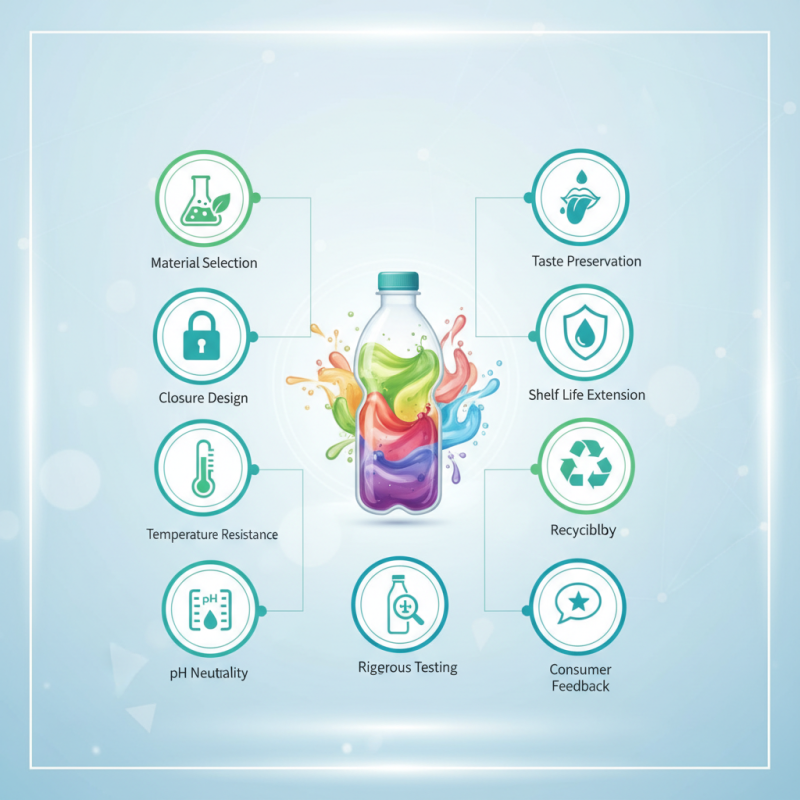
Understanding Bottle Compatibility with Various Beverages
When considering bottle compatibility with various beverages, understanding material properties is crucial. Different liquids react uniquely to bottle materials. For instance, acidic drinks like citrus juices can degrade certain plastics over time. This degradation can lead to taste alteration, which is undesirable for consumers.
In addition to material quality, shape and size matter. A slender bottle might be perfect for water, but not for thicker beverages like smoothies. The shape affects pourability and how well the liquid flows. It's essential to test each combination for optimal performance. Sometimes, a bottle may look good, but it fails to work effectively with the drink.
User feedback plays a vital role. Bottles must meet consumer expectations, and issues can arise unexpectedly. Users might find that certain designs are more prone to leaking. Gathering insights can highlight these problems before launching products. Constant evaluation helps improve compatibility and ensures a better experience for the consumer.
Material Selection for Optimal Beverage Preservation
When selecting materials for beverage bottles, the focus on preservation is crucial. Research indicates that over 50% of consumers prioritize flavor integrity when choosing beverages. Therefore, using materials that prevent oxygen ingress and UV exposure is vital. For example, glass and certain plastics can provide an effective barrier against air and light, preserving flavors longer.
Polyethylene terephthalate (PET) is commonly used for its lightweight and shatter-resistant properties. However, its permeability to oxygen may lead to flavor degradation. A study by the Beverage Industry Association found that bottles made of high-density polyethylene (HDPE) show improved compatibility with organic juices by reducing spoilage rates by 20%. Despite this, it's essential to consider the environmental impact of such materials.
Sustainability issues arise when choosing bottle materials. Recycling rates for plastics remain low globally, often below 30%, leading to increased waste. While bio-based materials show promise, research is still ongoing regarding their long-term preservation capabilities. The industry must evaluate the trade-offs between performance, cost, and environmental responsibility, ensuring no easy answers exist.
Design Features that Enhance Bottle Usability
When designing bottles for beverages, usability is key.
A well-crafted bottle should allow for easy pouring and comfortable handling. Grip is one essential feature.
A textured or contoured exterior can prevent slippage. This small detail can make a big difference when hands are wet or greasy.
Another important aspect is the bottle neck.
A wide mouth opening facilitates pouring, especially for thick liquids like smoothies or sauces.
Additionally, spill-proof caps enhance user confidence. A cap that securely seals the bottle helps maintain freshness and minimizes mess during transportation.
Users appreciate knowing their favorite beverages are safe and easy to access.
On the aesthetic side, transparency matters.
Clear materials can showcase vibrant liquids, attracting consumers. Yet, too much transparency may also expose flaws.
Users may feel encouraged to choose well-designed bottles, but they can also identify imperfections more easily.
Balancing visibility and durability is a challenge that requires careful consideration.
A bottle must look appealing while providing practical features that enhance the overall user experience.
Testing Methods for Ensuring Flavor Integrity in Bottles
Testing methods for ensuring flavor integrity in bottles are crucial for beverage manufacturers. They must ensure that the bottle materials do not alter the product's taste. One common technique involves sensory evaluation, where trained panels taste the beverages in different containers. This method helps identify any off-flavors caused by the interaction between the liquid and the bottle material.
Chemical analysis also plays a vital role. By using methods like gas chromatography, companies can detect volatile compounds released from the bottle. This testing can uncover issues before products hit the shelves. Another useful method is stability testing. Beverages are stored in various conditions to observe changes over time. However, inconsistencies can still arise. Even with thorough testing, some flaws might go unnoticed until consumers report them.
Beverage producers must remain vigilant. Each testing phase reveals potential weaknesses in compatibility. Continuous refinement of testing protocols is necessary. In this industry, the smallest details can lead to significant improvements in product quality. Addressing these minor issues with diligence can drastically enhance customer satisfaction.
Sustainability Considerations in Bottle Manufacturing and Beverage Storage
Sustainability is a crucial aspect in bottle manufacturing and beverage storage. Recent reports indicate that nearly 30% of global plastic waste comes from beverage containers. This highlights the pressing need for improved bottle design and materials that support sustainability goals. Utilizing recycled materials can reduce carbon footprints significantly. In fact, a study by the World Economic Forum states that a shift towards recycled plastics could save up to $70 billion annually by 2030.
The choice of materials plays a vital role in compatibility with beverages. Glass, for instance, ensures flavor preservation and is infinitely recyclable. However, the energy consumed during glass production raises questions. Plastic bottles, while lightweight and resilient, often fall short in biodegradability and environmental impact. Industry experts emphasize the importance of developing bio-based plastics as a potential solution, though the technology is still evolving.
Additionally, there are challenges in integrating sustainability with production efficiency. Balancing cost, performance, and environmental impact is a complex task. Companies are continually seeking innovative approaches that can enhance durability while remaining eco-conscious. Consumer awareness is also rising, pushing brands toward more sustainable options. The path to sustainability may not be perfect, but continuous improvement is necessary.
Top 10 Ways to Improve Bottle Compatibility with Beverages
| Method |
Description |
Sustainability Impact |
Compatibility Rating (1-5) |
| Material Selection |
Choosing eco-friendly materials that do not interact negatively with beverages. |
Reduces environmental footprint, enhances recyclability. |
5 |
| Barrier Coatings |
Applying coatings to prevent beverage leakage and maintain quality. |
Reduces waste and extends shelf life. |
4 |
| Size Optimization |
Designing bottles that match the appropriate serving size for beverages. |
Minimizes excess production materials and waste. |
4 |
| Recycling Programs |
Establishing programs that promote bottle recycling. |
Promotes circular economy and reduces landfill waste. |
5 |
| Temperature Resistance |
Designing bottles to withstand various temperature changes without compromising quality. |
Reduces spoilage and enhances consumer experience. |
5 |
| User-Friendly Design |
Creating easy-to-use bottle designs encourages reuse and recycling. |
Fosters consumer loyalty and sustainable practices. |
4 |
| Cap Design Innovations |
Developing caps that minimize air contact with beverages. |
Preserves quality and reduces spoilage. |
5 |
| Testing for Compatibility |
Conducting tests to ensure that bottles do not react with contents. |
Ensures safety and quality of beverages. |
5 |
| Lifecycle Analysis |
Evaluating environmental impact throughout bottle lifecycle. |
Optimizes resource use and reduces overall impact. |
4 |
FAQS
: Key features include a textured grip, wide mouth opening, and spill-proof caps. These enhance comfort and usability.
A textured or contoured exterior prevents slippage when hands are wet or greasy. This small detail matters greatly.
A wide mouth opening makes pouring easier, especially for thick liquids. It promotes convenience and reduces mess.
Clear materials showcase vibrant liquids, attracting consumers. However, excessive transparency can expose flaws.
Using recycled materials and developing bio-based plastics can help. This reduces the carbon footprint of beverage containers.
Glass ensures flavor preservation and is infinitely recyclable. However, energy consumption during production is a drawback.
Balancing cost, performance, and environmental impact is complex. Continuous improvement is vital for achieving sustainability goals.
Rising consumer demand for sustainable options pressures companies to innovate. However, not all solutions are perfect yet.
Conclusion
Improving the compatibility of bottles with different beverages is crucial for maintaining beverage quality and consumer satisfaction. This involves a comprehensive understanding of how various materials interact with liquids, ensuring optimal preservation through careful material selection. Furthermore, innovative design features can enhance usability, making it easier for consumers to enjoy their drinks while minimizing waste.
Testing methods play a vital role in confirming that the flavor and integrity of the beverage are preserved within the bottle. Rigorous testing can identify potential issues that may arise from material degradation or chemical interactions. Additionally, sustainability considerations in bottle manufacturing not only support environmental goals but also influence consumer preferences. By addressing these factors, manufacturers can significantly improve the compatibility of bottles with a wide variety of beverages, leading to better product experiences and enhanced market success.
 Elevate Bottle
