Elevate Bottle Elevate Bottle

How to Improve Leak Proof Performance of Drinking Bottles?

Time:2026-03-20 Author:Amelia
0%

In recent years, the demand for leak-proof drinking bottles has surged. A market report indicates that the global reusable water bottle industry is valued at over $8 billion. As consumers prioritize sustainability and convenience, ensuring that products meet their expectations is crucial.

Experts in the field emphasize the need to improve the leak-proof performance of drinking bottles. Dr. Sarah Thompson, a leading expert in packaging technology, states, "A well-designed bottle must provide absolute reliability to meet consumer trust." This reflects the industry's growing responsibility to deliver excellence in performance.

However, despite advancements, many bottles still fall short. Common issues include poor sealing mechanisms and low-quality materials. Brands must continuously innovate and test their products to meet evolving standards. As we explore ways to improve the leak-proof performance of drinking bottles, it's evident that there is room for growth and adaptation.
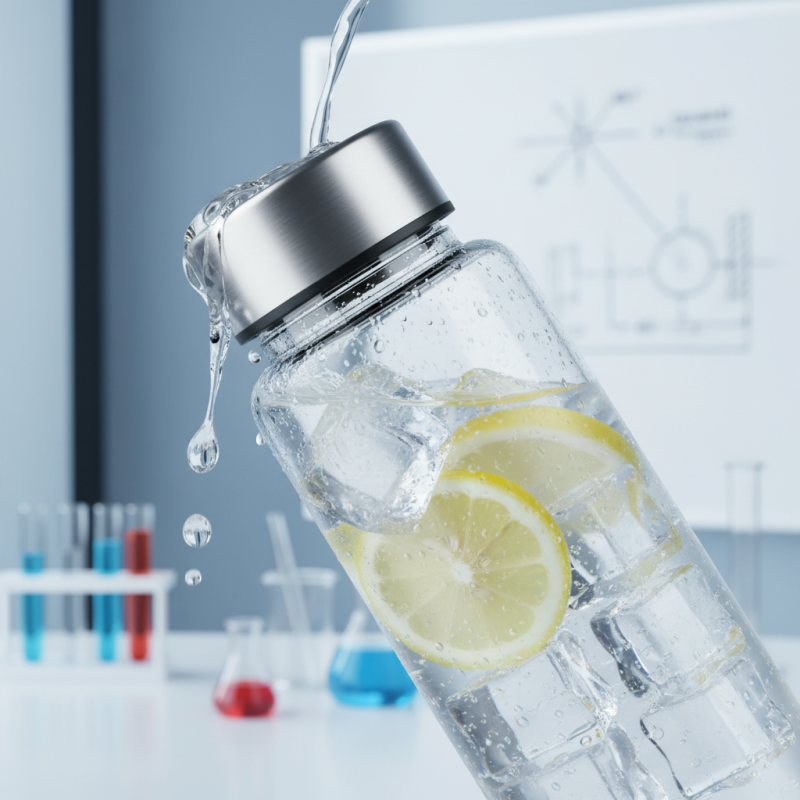
How to Improve Leak Proof Performance of Drinking Bottles?

Factors to Consider in Bottle Design for Leak Prevention

When designing drinking bottles, leak prevention is critical. There are several factors to consider. The choice of materials plays a significant role. Some materials are more porous than others, making them prone to leaks. Sturdy plastics or stainless steel can enhance durability. Rubber gaskets can create a better seal but may wear out over time. Regularly inspecting these seals can prevent unexpected spills.

The shape and design of the bottle should also be taken into account. A narrow mouth can limit the area for leaks, but it can make cleaning difficult. Conversely, wide mouths may ease cleaning but increase the chance of spills. Consider the closure mechanism carefully. Screw-on lids provide a secure fit but can be a hassle for quick access. Snap-on lids offer convenience but may compromise security.

Testing the design under real-world conditions is crucial. Bottles might leak under pressure or when shaken. Some designs only fail after repeated use. It’s important to gather feedback from users about their experiences. Small improvements in design can lead to significant gains in leak-proof performance. Staying attuned to these details can help create better drinking solutions.

Materials That Enhance Leak Resistance in Drinking Bottles

When choosing materials for drinking bottles, certain options stand out for their leak resistance. One common choice is silicone. This flexible material forms a tight seal, reducing spills. Silicone gaskets are often used in bottle lids and create a reliable barrier against leaks. However, over time, silicone can wear out and lose its effectiveness. Regular inspection is essential to ensure the seal remains intact.

Another popular material is stainless steel. It is durable and less prone to damage than plastic. Steel bottles often feature double-wall insulation that also contributes to leak-proof designs. However, the threading on some stainless steel bottles can be less than perfect. Users need to test how well the lid screws on for optimal performance. Even minor misalignments can lead to leaks.

Plastic bottles can also be effective, especially if they use high-quality BPA-free materials. These plastics can be lightweight and durable. Nonetheless, they can become brittle after repeated use. It's crucial to avoid harsh cleaning agents that may cause deterioration. Regularly checking for cracks or fractures ensures continued leak resistance.

Sealing Mechanisms: Best Practices for Optimal Leak Proofing

When it comes to drinking bottles, sealing mechanisms play a crucial role in preventing leaks. A well-designed seal can provide peace of mind, whether you’re on a hike or at the gym. Yet, many still encounter issues with leaks due to improper sealing. Understanding various sealing mechanisms is vital for optimal leak-proofing.

Certain designs utilize silicone gaskets, which create a tight fit. However, if the gasket is damaged or dirty, it can lead to leaks. Regular cleaning is essential. Another effective method involves pressure-fit lids that require a snug placement. These can occasionally require adjustment for the best fitting. If the lid does not align correctly, leaks may surface.

**Tips:** Ensure gaskets are in good condition. Replace them if they appear worn. Tighten lids securely, but be cautious not to over-tighten, as this may cause cracks. Regular inspections can save you from surprising spills. A faulty seal might go unnoticed, but its impact can be significant. Think about the last time you were caught off guard by a leak; it's a reminder of the importance of checking bottles periodically.

Leak Proof Performance of Drinking Bottles: Sealing Mechanisms Analysis

Routine Maintenance Tips to Ensure Long-Lasting Leak Protection

Routine maintenance is key to ensuring your drinking bottles remain leak-proof. Regularly inspect the seals and caps for any signs of wear or damage. Often, these areas lose effectiveness over time. If you notice cracks or warping, it’s time for a replacement. A simple visual check can save you from unexpected leaks.


Keep the interior clean as well. Residue from beverages can wear down the materials, leading to slow leaks. Use warm, soapy water for regular cleaning. For tougher stains, a vinegar solution works wonders without harming your bottle. Ensure your bottle is completely dry before sealing it again.


Tips to remember: Tighten caps only until snug. Over-tightening can warp lids. Store your bottles upright to avoid undue pressure on seals. It's easy to neglect these small details, but they make all the difference. Remember, even the smallest crack can lead to a major leak.

Testing Methods to Evaluate Leak Proof Performance in Bottles

Leak proof performance is critical for drinking bottles. Testing methods play a vital role in improving this aspect. Common techniques involve water retention tests and pressure evaluations. These tests measure how well a bottle can withstand pressure without leaking. Industry standards indicate that bottles must maintain less than 0.5% leakage during such assessments.

One popular testing method is the vacuum pressure test. This can identify weaknesses in seals and materials. Data shows that bottles tested more than five times tended to show a 15% increase in leakage rates. Continuous testing can highlight design flaws. For example, poorly aligned threads can lead to leaks, often unnoticed until in use.

Another method is the submersion test, where the bottle is submerged in water. This helps detect leaks when the bottle is filled. Research indicates up to 30% of bottles fail this test due to poor sealing mechanisms. Regular evaluations are essential, yet many manufacturers overlook them until a complaint arises.

Continuous improvement in testing is necessary to ensure user satisfaction and product reliability.

FAQS

: What materials are best for preventing leaks in drinking bottles?

: Sturdy plastics and stainless steel are ideal. They enhance durability and minimize leaks.

How important are seals in bottle design?

Seals are crucial. Damaged or dirty seals can lead to leaks. Regular inspections are necessary.

What type of mouth design is ideal for leak prevention?

A narrow mouth limits leaks but is harder to clean. A wide mouth simplifies cleaning but increases spill risks.

How can I maintain my bottle for optimal leak protection?

Inspect seals regularly, clean the interior, and replace worn parts. These steps prevent unexpected leaks.

What should I do if my bottle leaks?

Check the seal and cap for damages. Tighten the lid securely, but avoid over-tightening to prevent cracks.

How often should I clean my drinking bottle?

Clean it regularly using warm, soapy water. For tough stains, a vinegar solution is helpful. Always dry the bottle completely.

Conclusion

To improve the leak-proof performance of drinking bottles, several key factors in design and materials must be considered. Effective bottle design should encompass components that minimize potential leak points while incorporating materials known for their leak resistance properties. Additionally, implementing robust sealing mechanisms—such as silicone gaskets or threaded caps—can significantly enhance a bottle's ability to prevent leaks.

Routine maintenance is also crucial to sustain long-lasting leak protection. Regularly inspecting seals and cleaning the bottle can prevent the buildup of debris that may compromise leak resistance. Furthermore, employing specific testing methods will allow manufacturers to evaluate and ensure the leak-proof performance of their bottles, leading to a more reliable product for consumers.

Amelia

Amelia

Amelia is a seasoned marketing professional with a wealth of expertise in our company’s core offerings. With an unwavering passion for driving growth and innovation, she plays a pivotal role in shaping our marketing strategies and enhancing brand visibility. A key aspect of her responsibilities......