Elevate Bottle Elevate Bottle

Top 10 Ways to Minimize Environmental Footprint in Bottle Production?

Time:2026-06-16 Author:Charlotte
0%

In the quest to Minimize the environmental footprint of bottle production, industry leaders are stepping forward. One such expert is Dr. Emily Carter, a renowned environmental scientist. She emphasizes, “Every bottle counts when it comes to sustainability.” This statement underscores the pressing need for innovation in bottle manufacturing processes.

The bottle production industry faces significant challenges. From sourcing materials to energy consumption, every step impacts our environment. Substantial waste and pollution arise from traditional practices. Thus, exploring new strategies is essential to reduce this footprint. Companies are now investigating eco-friendly materials and energy-efficient manufacturing techniques.

Adopting these practices is not without its difficulties. Some proposals lack immediate feasibility or demand large initial investments. However, rethinking our approaches can lead to long-term benefits. Embracing sustainability may also open new markets and improve brand image. Being more transparent about challenges is vital for genuine progress. As the industry evolves, we must remain committed to finding effective solutions.
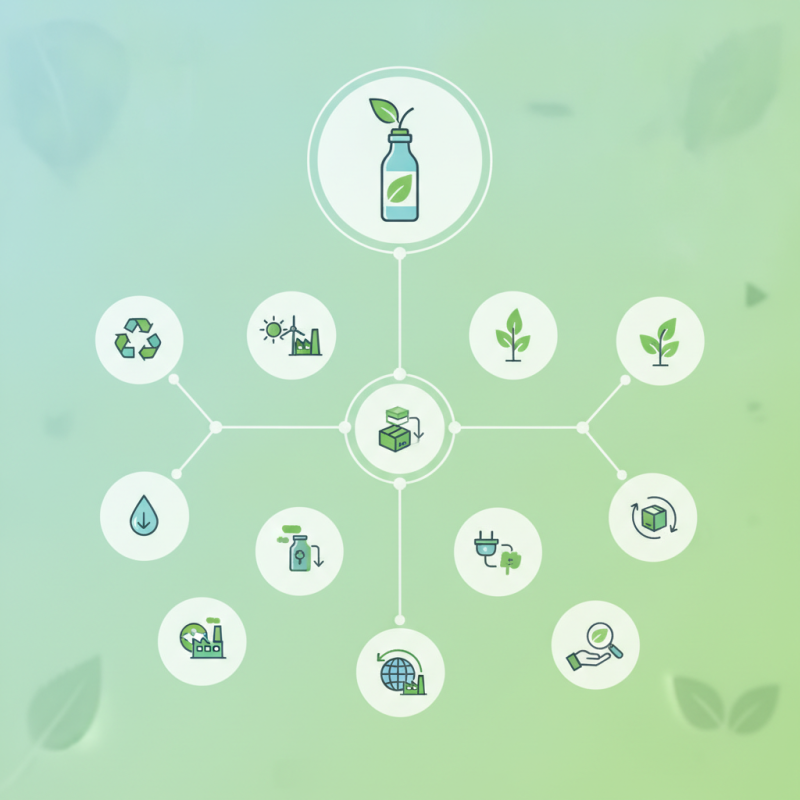
Top 10 Ways to Minimize Environmental Footprint in Bottle Production?

Sustainable Material Selection for Bottle Production

Sustainable material selection plays a crucial role in minimizing the environmental footprint of bottle production. Recyclable materials, such as PET and glass, are excellent choices. They reduce landfill waste and can be reused multiple times. Many companies are exploring biodegradable options as well. These materials break down more easily in natural environments, reducing pollution.

Tips: Consider using plant-based plastics. They are derived from renewable resources and can significantly lower carbon emissions. Investigate suppliers who prioritize sustainability in their sourcing practices. Choosing local materials can further reduce transportation emissions.

Furthermore, it’s essential to assess the life cycle of materials. Some seemingly eco-friendly options may require high energy for production. Always review the full environmental impact. Regularly re-evaluate your material choices as technologies evolve. Stay informed to make better decisions.

Energy Efficiency in Manufacturing Processes

Energy efficiency is crucial in minimizing the environmental footprint of bottle production. Manufacturing processes traditionally consume significant amounts of energy, accounting for approximately 30% of operational costs. By optimizing these processes, companies can reduce both energy consumption and greenhouse gas emissions. For instance, employing energy-efficient machinery can lead to a remarkable 15-20% reduction in energy usage.

Incorporating renewable energy sources is another effective approach. Transitioning to solar or wind power can decrease reliance on fossil fuels. Reports indicate that companies investing in renewable energy have seen their energy costs drop by as much as 25%. Moreover, enhancing insulation in production facilities can further mitigate energy loss. This aspect is often overlooked but can substantially benefit the overall energy efficiency of manufacturing operations.

However, not all companies are making changes. Some remain hesitant due to upfront costs associated with upgrading equipment. This creates a paradox, as failing to invest now may lead to higher operational costs and environmental penalties later. Evidence suggests that ignoring energy efficiency can undermine a company's sustainability goals, impacting its long-term viability in a competitive market. Developing a strategic energy management plan could help address these challenges, driving both economic and environmental benefits.

Water Conservation Techniques in Bottle Production

Water conservation in bottle production is critical for minimizing environmental impact. The process often consumes vast amounts of water. Manufacturers can adopt innovative techniques to reduce this consumption effectively. For instance, integrating closed-loop water systems helps recycle water within production lines. This method can cut down fresh water use significantly.

Furthermore, rainwater harvesting systems present a sustainable solution. Collecting rainwater can supplement factory water needs, lessening dependency on local water sources. It is essential to regularly maintain these systems to ensure efficiency. Employee awareness programs can also promote responsible water use. Training staff on conscious water use can lead to significant savings.

However, not all techniques are foolproof. Some water-saving technologies require upfront investment, which might deter smaller manufacturers. Additionally, monitoring and managing water use presents ongoing challenges. Data collection and analysis can help identify inefficiencies. Continuous improvement in water conservation practices is necessary, as the industry evolves. There is always room for reflection and growth.

Innovative Recycling Practices for Bottles

Innovative recycling practices play a crucial role in minimizing the environmental footprint of bottle production. According to the National Recycling Coalition, glass and plastic bottles constitute over 30% of municipal solid waste in the United States. Utilizing effective recycling methods can significantly reduce this waste. For instance, recycling just one ton of glass can prevent the release of 315 kilograms of carbon dioxide into the atmosphere.

One innovative practice is adopting closed-loop recycling systems. These systems allow manufacturers to reuse materials multiple times. Not only does this reduce the demand for raw materials, but it also cuts down on energy consumption—by as much as 30%. However, barriers exist. Many communities lack access to efficient recycling facilities, which hampers progress. Ongoing outreach and improved infrastructure are needed to drive change.

Moreover, educating consumers about proper recycling habits is essential. The Ellen MacArthur Foundation reports that only 9% of plastic is recycled globally. Many bottles end up in landfills instead. If companies focus on clear labeling and provide recycling information, it can help shift consumer behavior. The journey toward greener bottle production is ongoing, and while creativity in recycling practices shows promise, there are still significant hurdles to overcome.

Top 10 Ways to Minimize Environmental Footprint in Bottle Production

Minimizing Transportation Emissions in Bottle Distribution

Transportation emissions play a crucial role in the overall environmental impact of bottle production. Reducing these emissions requires strategic planning and innovative approaches. One effective method is optimizing distribution routes. Advanced software can analyze delivery paths, minimizing distances traveled. Shorter routes result in lower fuel consumption and less air pollution.

The use of alternative transportation methods also deserves attention. Electric vehicles, for instance, can significantly reduce carbon footprints. Employing rail systems instead of trucks can further cut emissions. However, these options might not be universally feasible. Some locations may lack electric infrastructure or rail connectivity. This creates a challenge for companies to find balanced solutions suited to their logistics.

Promoting local sourcing is another step to consider. When production and distribution align geographically, transportation emissions drop. However, local sourcing can increase costs or limit production scale. Companies need to carefully weigh these factors in their sustainability strategies. Innovations in packaging can also lessen the burden during transport, such as lighter materials that require less energy. Overall, it’s important to remain open to evaluating various methods and their effectiveness.

Top 10 Ways to Minimize Environmental Footprint in Bottle Production - Minimizing Transportation Emissions in Bottle Distribution

Method Description Impact on CO2 Emissions (%) Implementation Cost ($) Time to Implement (Months)
Use Recycled Materials Incorporate recycled plastics or glass in production. 30% 1500 6
Optimize Transport Routes Plan routes to minimize fuel consumption and distance. 20% 800 4
Leverage Renewable Energy Use solar or wind energy for production facilities. 25% 20000 12
Implement Efficient Machinery Upgrade to machines that use less energy. 15% 25000 18
Enhance Packaging Design Reduce the amount of material used in packaging. 10% 500 3
Utilize Local Suppliers Source materials from local producers to cut transport distances. 15% 600 2
Invest in Carbon Offsetting Purchase carbon offsets to balance emissions. 5% 1000 1
Educate Employees Train staff on sustainable practices to reduce waste. 8% 200 2
Monitor and Report Emissions Track greenhouse gas emissions to identify reduction areas. 12% 150 5
Use Lightweight Materials Adopt lighter materials to reduce energy in transportation. 18% 1200 4

FAQS

: Why is energy efficiency important in manufacturing?

: Energy efficiency minimizes environmental impact and reduces operational costs, which account for about 30% of total expenses.

How can companies reduce energy consumption?

Companies can employ energy-efficient machinery to achieve a 15-20% reduction in energy usage during production.

What role do renewable energy sources play in manufacturing?

Transitioning to renewable energy, like solar or wind, can lower energy costs by up to 25% and reduce fossil fuel reliance.

What is a common oversight in energy efficiency?

Enhancing insulation in production facilities is often overlooked but can significantly improve energy efficiency.

What challenges do companies face in adopting new technologies?

Upfront costs for upgrading equipment may deter some companies from making necessary energy efficiency improvements.

How can companies develop a strategic energy management plan?

A strategic plan can address energy usage and drive economic and environmental benefits by focusing on efficiency.

What is closed-loop water system technology?

Closed-loop water systems recycle water within production lines, significantly cutting fresh water usage.

How does rainwater harvesting benefit bottle production?

Rainwater harvesting reduces reliance on local water sources and supplements factory water needs sustainably.

Why is employee training important for water conservation?

Training staff on conscious water use can lead to substantial savings and promote responsible behavior.

What ongoing challenges exist in water conservation?

Managing water use and maintaining systems presents challenges; regular data monitoring can help identify areas for improvement.

Conclusion

The article "Top 10 Ways to Minimize Environmental Footprint in Bottle Production" outlines essential strategies for sustainable bottle manufacturing. One of the key approaches is sustainable material selection, where using eco-friendly raw materials significantly reduces the overall environmental impact. Additionally, enhancing energy efficiency during manufacturing processes is crucial; it not only lowers energy consumption but also decreases greenhouse gas emissions. Implementing water conservation techniques throughout production further helps minimize the environmental footprint of bottle production.

Moreover, innovative recycling practices are vital for managing waste effectively and promoting a circular economy. Lastly, minimizing transportation emissions during distribution can be achieved through optimizing logistics and utilizing more efficient transport methods. By adopting these strategies, industries can significantly minimize the environmental footprint of bottle production, contributing to a more sustainable future.

Charlotte

Charlotte

Charlotte is a seasoned marketing professional with a deep understanding of the company's portfolio and a passion for elevating its presence in the market. With a keen eye for detail and a commitment to excellence, she ensures that our professional blog is regularly updated with insightful articles......