Elevate Bottle Elevate Bottle

Why Optimize the Customization Adaptability of Water Bottles?

Time:2026-07-17 Author:Henry
0%

The market for water bottles continues to grow. This growth presents a unique opportunity to improve user experience. Consumers increasingly demand personalization in their daily items. To meet these needs, businesses must focus on how to optimize the customization adaptability of water bottles.

Customization goes beyond just aesthetics. It involves functionality, ergonomics, and user preferences. A water bottle that fits seamlessly into a user’s lifestyle can lead to greater satisfaction and loyalty. However, achieving this level of adaptability is challenging. Not all designs accommodate diverse user requirements effectively.

Iterative design processes and user feedback are essential for optimizing adaptability. Innovations in materials and production methods can enhance customization. Yet, companies must also reflect on their own limitations. Balancing personalization with cost-effectiveness remains a critical challenge. As the industry evolves, continuous improvement is key to staying relevant and competitive.
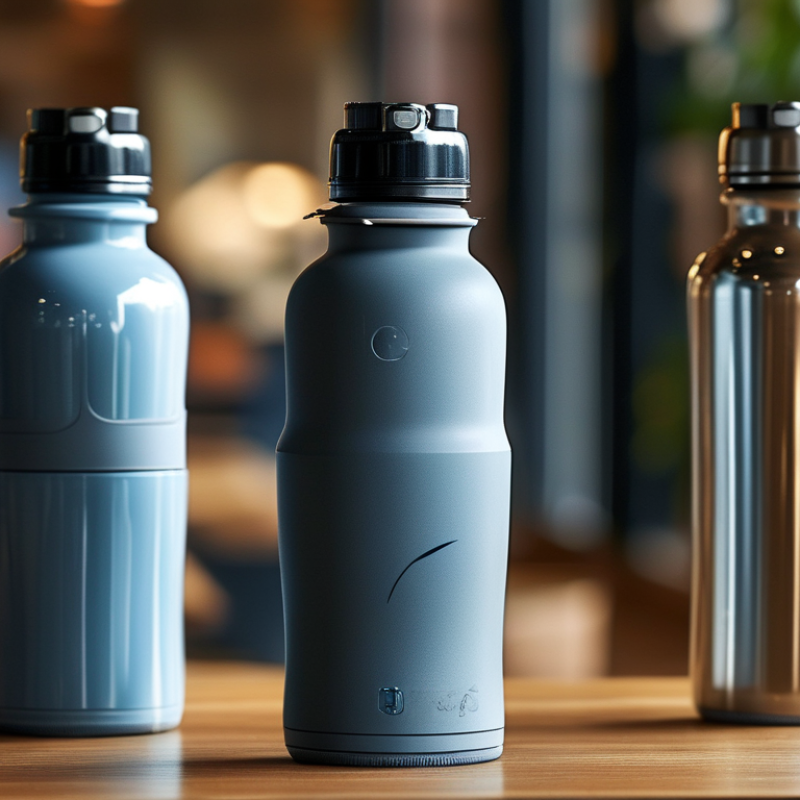
Why Optimize the Customization Adaptability of Water Bottles?

Importance of Customization in the Water Bottle Market

In today's market, the importance of customization in water bottles cannot be overstated. Customers now seek products that reflect their personal style and values. This trend has led to a significant demand for water bottles that can be tailored to individual preferences. Features such as color, material, and size play a crucial role in this customization journey. Consumers want unique designs that speak to their personality while also serving practical needs.

Moreover, the rise of eco-conscious consumers has shifted the focus on materials used in production. People are now more aware of the environmental impact of their choices. Customization isn't just about aesthetics. It also involves using sustainable materials that resonate with eco-friendly practices. However, brands must navigate the balance between offering variety and maintaining production efficiency. It's a complex challenge that many face, often leading to questions about scalability and quality assurance.

Ultimately, the water bottle market continues to evolve. Companies must adapt to the changing landscape, ensuring that customization meets not only aesthetic desires but also environmental stewardship. If not, they risk falling behind in a competitive market that values authenticity and responsibility.

Growth Trends in the Personalized Water Bottle Industry

The personalized water bottle industry is experiencing significant growth, driven by a rising demand for customization. According to market research, the global personalized water bottle market is projected to reach $10 billion by 2025, growing at a CAGR of over 7%. Consumers are looking for unique designs that reflect their personality and lifestyle. As a result, brands must prioritize customization adaptability to stay competitive.

Tips: Consider the materials you use. Eco-friendly options are increasingly popular among consumers. Ensure your designs are not only appealing but also functional. This could include features like built-in filters or temperature control, making the bottles more desirable.

Customization requires flexibility. Manufacturers face challenges in scaling personalized options while maintaining production efficiency. Balancing individual preferences with operational capabilities is crucial. Reports indicate that companies that invest in innovation can capture a larger market share. Addressing these complexities may involve adopting new technologies.

Tips: Utilize data analytics to gain insights into customer preferences. Understanding trends can help tailor your offerings. Engaging with your audience through surveys or focus groups can also enhance your product range.

Consumer Preferences: The Demand for Customizable Features

Customization is a key element in today's consumer market. People want products that reflect their individuality. In water bottles, specific features hold significant appeal. Customers increasingly seek options like personalized colors and built-in compartments. This demand for customization taps into personal expression.

Analysis shows that younger consumers prioritize unique features. They desire items that stand out in their routine. For example, a bottle with interchangeable lids or customizable graphics caters to this need. Yet, not all brands meet these expectations. Some offer limited choices, neglecting the importance of true customization.

Consumers are willing to invest time in personalization. However, companies face challenges in providing this adaptability. Complexities in production and inventory can stifle innovation. Balancing quality with customization remains a crucial concern. It is vital for brands to reflect on their strategies. Without proper adaptation, they risk losing out in a competitive market.

Why Optimize the Customization Adaptability of Water Bottles?
- Consumer Preferences: The Demand for Customizable Features

Feature Consumer Interest (%) Preferred Customization Options (%) Impact on Purchase Decision (%)
Color Selection 85 65 75
Size Options 78 55 70
Personalized Text/Graphics 70 50 65
Material Choices 72 60 68
Accessories (Straps, Caps) 65 40 60

Benefits of Enhanced Adaptability in Water Bottle Design

Customization adaptability in water bottle design is becoming increasingly important. Users appreciate products that cater to their unique needs. Enhanced adaptability can lead to improved user satisfaction. People want versatility in their gear, reflecting their personal style and functional requirements. This adaptability can encourage healthier habits, such as increased water intake.

Moreover, the design choices can cater to various lifestyles. For example, a family may need bottles with easy-to-clean features. Athletes might prefer lightweight materials for portability. Alternatively, eco-conscious consumers seek sustainable options. The challenge lies in balancing these diverse needs without overcomplicating the design. Some designs may end up being too complex, which can detract from their functionality.

Incorporating features like adjustable grips or modular components can enhance user experience. However, being innovative also poses risks. A product might end up overly complicated, leading to frustration. Designers must reflect on these aspects to ensure they create a satisfying user experience. Ultimately, focusing on adaptability is key while being mindful of simplicity and usability.

Sustainability Considerations in Custom Water Bottle Production

The customization of water bottles is not just about aesthetics; it's also a gateway to sustainability. With millions of plastic bottles discarded daily, customized options can significantly reduce waste. According to a 2022 report from the Environmental Protection Agency, approximately 50 billion plastic bottles end up in landfills every year. Choosing sustainable materials for custom water bottles can help mitigate this staggering statistic.


Tips: Opt for biodegradable options when selecting materials for customized bottles. Not only does this support the environment, but it also attracts eco-conscious consumers.


Customization offers a unique opportunity to promote sustainability. Companies can utilize recycled plastics or stainless steel, both known for their durability and environmental friendliness. A study by Smithers Pira states that the market for sustainable packaging is expected to reach $400 billion by 2025. However, the industry still faces challenges in balancing customization with environmental impact.


Tips: Use localized production to minimize transportation emissions. Local sourcing often leads to reduced carbon footprints and supports community economies.


It’s crucial to analyze the lifecycle of custom products for improvements. Transparency in sourcing materials can enhance consumer trust. Continuous efforts in this direction can foster a more sustainable future for the custom water bottle industry.

FAQS

: What is driving growth in the personalized water bottle industry?

: The growth is driven by a rising demand for customization. Consumers want unique designs reflecting their personality.

How much is the global market for personalized water bottles projected to reach?

It's projected to reach $10 billion by 2025, growing at a CAGR of over 7%.

What materials should brands consider for their bottles?

Brands should consider eco-friendly materials. These options are becoming increasingly popular among consumers.

What challenges do manufacturers face in customization?

They struggle with scaling personalized options while maintaining production efficiency. Balancing variety with operational capabilities is crucial.

Why is customization important to consumers?

Customization is key as people want products reflecting their individuality. Features like personalized colors hold significant appeal.

What do younger consumers prioritize in water bottles?

Younger consumers prioritize unique features. They want bottles that stand out, with options like interchangeable lids.

What should brands do to enhance their offerings?

Brands should utilize data analytics to understand customer preferences. Engaging with the audience helps tailor product ranges.

How can enhanced adaptability benefit users?

Enhanced adaptability can improve user satisfaction. It allows products to cater to diverse lifestyles and functional needs.

What risks come with innovative designs?

Innovative designs may become overly complicated. This complexity can frustrate users and detract from functionality.

How can companies balance quality and customization?

Companies must reflect on their strategies. Without proper adaptation, they risk losing competitiveness in the market.

Conclusion

The article "Why Optimize the Customization Adaptability of Water Bottles?" explores the burgeoning demand for personalized water bottles in today's market. It highlights the significance of customization, noting that as consumers seek unique designs and features, the ability to tailor products to individual preferences becomes paramount. Growth trends indicate a shift towards greater personalization, driven by millennials and Gen Z who prioritize individuality in their purchases.

Furthermore, enhancing the customization adaptability of water bottles not only meets consumer expectations but also offers practical benefits, such as improved user experience and brand loyalty. The article also addresses sustainability considerations in the production of custom water bottles, emphasizing that eco-friendly practices can be integrated into customizable designs. Ultimately, optimizing the customization adaptability of water bottles is crucial for manufacturers aiming to thrive in a competitive landscape while catering to the evolving needs of environmentally conscious consumers.

Henry

Henry

Henry is a dedicated marketing professional with a profound expertise in the company's offerings. With years of experience in the industry, he possesses an impressive understanding of the market dynamics and consumer behaviors that drive success. Henry is committed to sharing his insights through......