Elevate Bottle Elevate Bottle

2026 How to Optimize Durability of Reusable Drinking Bottles?

Time:2026-05-05 Author:Isabella
0%

In a world increasingly focused on sustainability, optimizing the durability of reusable drinking bottles is more crucial than ever. Industry expert Dr. Emily Carter states, "Durability is not just a feature; it's a responsibility for manufacturers." This perspective highlights the need for robust designs that withstand daily use while reducing waste.

Many reusable bottles fall short in terms of lifespan. Factors like material quality and construction methods directly impact durability. Consumers often overlook these details when choosing a bottle. They may prioritize aesthetics over functionality, leading to quicker replacements. This cycle not only affects their budget but also environmental sustainability.

Improving the durability of these bottles requires a balanced approach. It involves selecting high-quality materials that can endure wear and tear. Innovations in designs can also contribute to longevity. However, manufacturers must reflect on their practices. Are they prioritizing durability, or merely chasing trends? Addressing these questions is key to fostering a culture of sustainability in the reusable bottle industry.
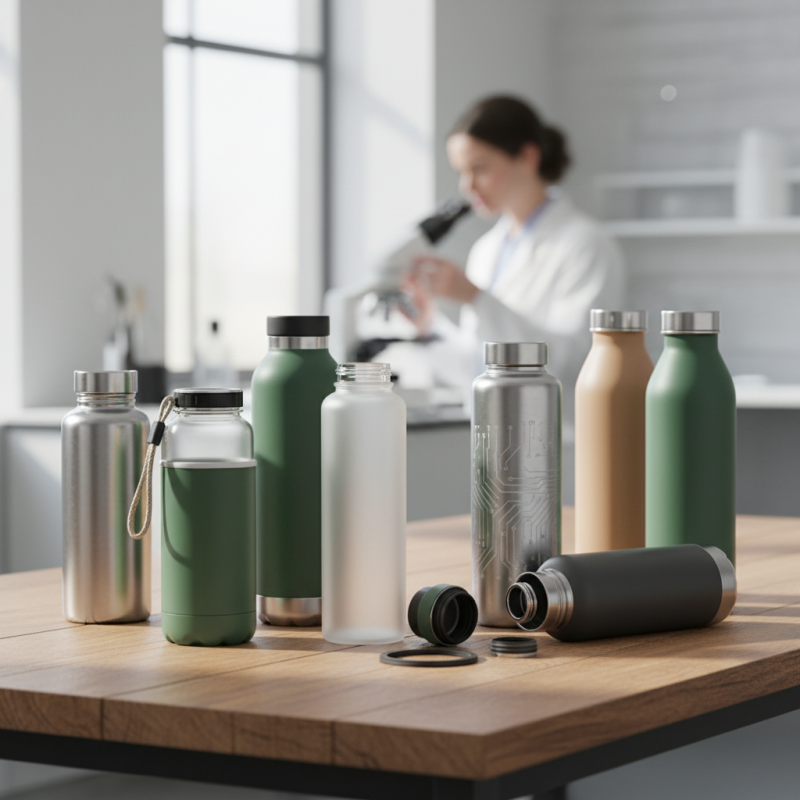
2026 How to Optimize Durability of Reusable Drinking Bottles?

Key Material Considerations for Durable Reusable Drinking Bottles

Choosing the right materials is crucial for creating durable reusable drinking bottles. Stainless steel is a popular choice. It is resistant to rust and impact. This material can withstand heavy use over time. Many users appreciate its ability to maintain temperature. However, it may be heavier compared to other options. For daily commuters, this added weight may be a concern.

Another option is high-density polyethylene (HDPE). It is lightweight and flexible, making it easy to carry. HDPE also resists cracking and breaking, which is essential for active lifestyles. However, it can scratch easily, which may affect its appearance. Users might find that scratches harbor bacteria if not cleaned properly. Choosing the right thickness can improve its durability but may compromise flexibility.

Glass bottles are also considered for their aesthetic appeal and inert nature. They do not leach chemicals. Yet, they are prone to breakage, which raises questions about safety. Many glass bottles have silicone sleeves to enhance durability. Users need to weigh these factors when opting for glass. Each material has its pros and cons, impacting user experience. It is essential to reflect on daily habits to choose the best fit.

Design Features That Enhance the Longevity of Drinking Bottles

Designing reusable drinking bottles with durability in mind involves several key features. First, materials matter. High-quality, BPA-free plastics or stainless steel can withstand impacts. A thick wall construction adds extra strength. Yet, many bottles fall short in impact-resistant designs. This leaves them prone to cracking or leaking.

Another essential feature is the cap design. A secure, screw-on cap can prevent spills, yet some designs fail to create a perfect seal. Additionally, easy-grip textures on the bottle surface help with handling, especially when wet. A smooth finish might look good but can be slippery.

Lastly, consider the weight. Heavy bottles may be durable but can discourage use. Users often prefer lightweight options that feel more portable. Balancing weight with strength remains elusive. Encouragingly, advancements in material science hold promise for improving durability. Each design choice influences the bottle's overall lifespan, reflecting a commitment to sustainability.

Proper Cleaning and Maintenance Techniques for Reusable Bottles

Maintaining the durability of reusable drinking bottles requires proper cleaning and care. Regular washing keeps harmful bacteria away. Warm soapy water is often sufficient. Rinse thoroughly to remove any soap residue. For deeper cleaning, a mixture of vinegar and baking soda works wonders. This natural solution helps eliminate odors and stubborn stains.


Tips: Consider using a bottle brush for hard-to-reach areas. Don’t overlook the cap and sealing mechanism, as these collect grime too. A quick soak in hot water can help loosen debris.


It’s essential to dry your bottle completely after washing. Air drying may not always do the trick. Using a clean towel can ensure no moisture remains. Storing a damp bottle invites mold growth. Check your bottle regularly for small cracks or defects. These imperfections can compromise its lifespan. Being attentive to minor issues can prevent larger problems later on.

Environmental Factors Affecting the Durability of Drinking Bottles

When considering the durability of reusable drinking bottles, environmental factors play a vital role. Extreme temperatures can accelerate material degradation. For instance, leaving a bottle in a hot car may warp plastic and weaken its structure. Conversely, exposure to freezing temperatures can make certain materials brittle, leading to cracks.

UV exposure is another concern. Long-term sun exposure can diminish the quality of both plastic and metal bottles. This may reduce their lifespan significantly. Pests are also a potential enemy, as some materials attract them, leading to unexpected damage over time. Additionally, cleaning methods can affect durability. Harsh chemicals or abrasive scrubbing can lead to surface scratches, creating weak points.

Individual usage patterns contribute as well. A bottle that often gets dropped will not last as long as one treated with care. Knowing the conditions and environments a bottle will face helps in selecting the right material. Assessing these factors leads to more informed choices, enhancing both the practicality and longevity of reusable drinking bottles.

Innovative Technologies in Manufacturing Durable Bottles

Innovative technologies are reshaping the manufacturing of durable reusable drinking bottles. Advanced materials are emerging as key players in this industry. For example, biodegradable plastics exhibit comparable durability to traditional materials. A recent study showed that these materials can reduce the environmental footprint by up to 30%. However, the adoption of biodegradable options requires careful consideration of their recycling capabilities.

Another significant advancement lies in the use of nanotechnology. This approach enhances the strength of bottle structures while maintaining lightweight properties. Data indicates that bottles made with nanomaterials can withstand higher temperatures and impacts. Despite these benefits, the long-term effects on human health and the environment remain uncertain. Industry experts urge further investigation into the safety of these materials.

3D printing also presents an innovative manufacturing method. It allows for customized designs that can optimize the durability of drinking bottles. Research indicates that 3D-printed bottles can achieve a 25% increase in resilience compared to traditionally manufactured models. Yet, scalability and cost-effectiveness need to be evaluated. Each of these technologies holds promise, yet they also present challenges that require thoughtful reflection.

2026 How to Optimize Durability of Reusable Drinking Bottles? - Innovative Technologies in Manufacturing Durable Bottles

Material Durability Rating (out of 10) Weight (grams) Scratch Resistance User Feedback Score (out of 5)
Polyethylene terephthalate (PET) 7 60 Moderate 4.2
Stainless Steel 9 150 High 4.7
Tritan™ Copolyester 8 75 Moderate 4.5
Bamboo Fiber 6 50 Low 3.8
Silicone 8 80 High 4.3

FAQS

: What materials enhance the longevity of drinking bottles?

: High-quality, BPA-free plastics and stainless steel are excellent choices. They can withstand impacts and prevent leaks.

How does cap design affect bottle durability?

A secure screw-on cap prevents spills. However, some designs don’t create a perfect seal, leading to leaks.

Why is bottle weight important?

Users prefer lightweight bottles for portability. Heavy bottles may deter regular use despite being more durable.

What cleaning methods maintain reusable bottles?

Warm soapy water works well for regular cleaning. A vinegar and baking soda mix helps remove odors and stains.

How should reusable bottles be dried?

Ensure bottles are completely dry to prevent mold. Air drying isn't enough; use a clean towel to remove moisture.

What advances are being made in durable bottle manufacturing?

New materials, like biodegradable plastics, showcase durability. Nanotechnology enhances strength without adding weight.

What challenges do biodegradable options face?

They need careful consideration regarding recycling capabilities despite reducing environmental footprints by up to 30%.

How does 3D printing improve bottle design?

It allows customized designs for durability. Research shows 3D-printed bottles can be 25% more resilient than traditional ones.

What are the concerns around nanotechnology in bottle production?

While it enhances strength, the long-term effects on health and the environment are still uncertain and need further study.

Why is regular inspection of bottles important?

Small cracks or defects can lead to bigger problems. Regular checks can help maintain the bottle's longevity.

Conclusion

To optimize the durability of reusable drinking bottles, it is crucial to consider several key material factors that contribute to their longevity. Selecting high-quality, resilient materials can significantly affect the lifespan of the bottles. Additionally, incorporating specific design features—such as reinforced seams and ergonomic shapes—enhances durability and user experience.

Proper cleaning and maintenance techniques also play a vital role in extending the life of these bottles; they must be regularly cleaned and dried to prevent mold and degradation. Environmental factors, like exposure to extreme temperatures and UV light, can compromise the integrity of the bottles, making awareness of these elements essential. Finally, innovative manufacturing technologies continue to advance, providing new methods to produce durable bottles that meet the demands of eco-conscious consumers.

Isabella

Isabella

Isabella is a dedicated marketing professional with a sharp focus on driving brand growth and engagement through strategic content creation. With an extensive background in digital marketing, she combines her passion for storytelling with her keen understanding of industry trends to deliver......