Elevate Bottle
The ergonomic design of water bottles plays a crucial role in user satisfaction. As consumers become more health-conscious, their demand for comfortable and functional water bottles grows. To optimize the ergonomic design of water bottles, brands must consider various factors. These include ease of grip, lid functionality, and overall weight distribution.
Creating a water bottle that feels good in hand is not straightforward. It requires research and testing, gathering feedback from real users. A well-designed bottle minimizes strain during use. It allows users to hydrate comfortably during workouts or while commuting. Yet, many designs still lack sufficient attention to these ergonomic features.
Moreover, the industry is slowly evolving. Innovation in materials and shapes can improve user experience. However, companies should be cautious. Designing for aesthetics alone may overlook functionality. Balancing style and comfort is vital. To truly optimize the ergonomic design of water bottles, brands must prioritize user needs over trends. It's a challenge, but one that can lead to better products.
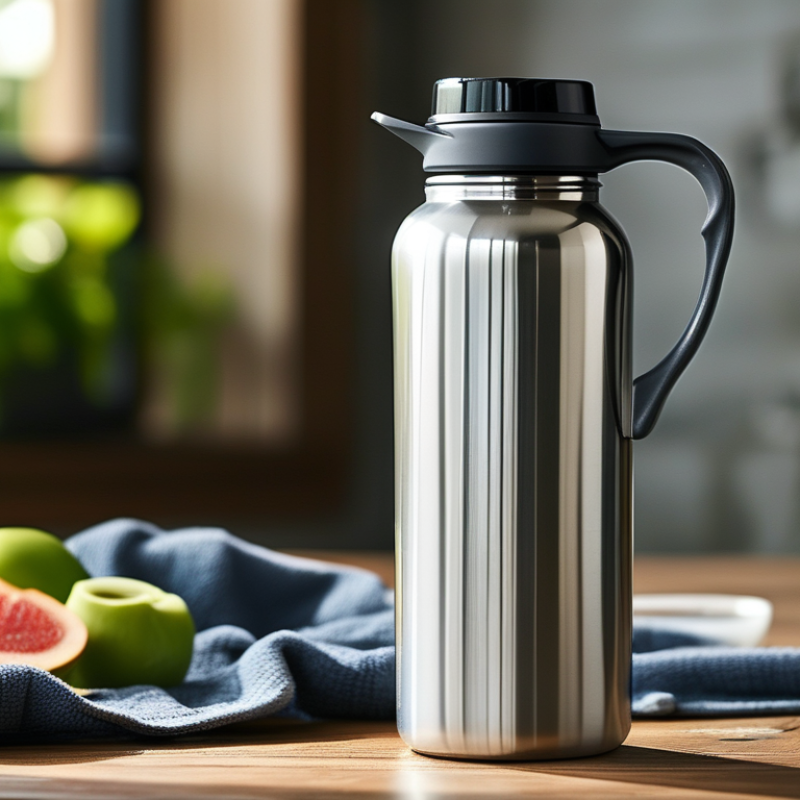
Understanding ergonomics is crucial for creating comfortable and efficient water bottles. Good ergonomic design considers how users hold and use a bottle. A poorly designed bottle can lead to discomfort or even injury, especially during outdoor activities.
The ideal water bottle should fit naturally in the hand. Contours and grips should align with how fingers curl. A balance between size and weight is vital. A bottle that is too heavy can strain the wrist. Additionally, smooth edges are key, preventing chafing during prolonged use. It's also important to consider the mouthpiece. A wide mouth allows easy filling but may spill if not designed correctly.
Reflecting on personal user experiences can reveal design flaws. For example, many struggle with slippery surfaces. Perhaps the material needs adjusting for better grip. Users may appreciate innovative designs but might also wish for simplicity. This balance between creativity and usability is essential. Feedback from actual users can drive improvements. Ergonomics is not just about look; it's about feel and function. Understanding these details can lead to better products.
The ergonomic design of water bottles plays a crucial role in enhancing the user experience.
Shape is vital. A contour that fits the natural curves of the hand can reduce stress during use. Bottles with an hourglass shape can be easier to grip. Yet, not all users prefer the same design. Some may find a wider base more stable. It’s essential to consider different preferences.
Weight also matters significantly. Lightweight materials reduce fatigue when carrying bottles over long distances. But, a balance must be struck. Excessively light bottles might compromise durability. Users often find themselves questioning the longevity of lightweight designs. Similarly, a heavier bottle may offer stability, but it can become cumbersome.
Grip texture and size are often overlooked yet essential. Textured grips can prevent slipping, especially when hands are sweaty. However, not every texture feels good for every user. Some might find certain surfaces irritating. The size of the grip should cater to various users. A universal design might neglect the needs of individuals with smaller hands. Finding the right balance between comfort and function can require testing and feedback.
The impact of material choices on ergonomic water bottle design is critical. A recent study revealed that over 70% of consumers prioritize comfort in hydration products. This reveals the importance of selecting the right materials to enhance usability.
Plastic bottles often provide lightweight convenience but may compromise grip. A survey showed that up to 50% of users experienced slipping due to inadequate surface textures. Meanwhile, materials like stainless steel offer durability but can be heavier, affecting portability. Experiments indicated that a rubberized grip could improve handling but adds complexity to manufacturing.
Recyclability should not be overlooked. A report indicated that eco-conscious consumers prefer products made from sustainable materials. Bottles made from recycled materials are increasingly favored. However, achieving a balance between comfort, durability, and environmental impact poses challenges. Designers need to rethink their approaches, as not all materials suit every user group.
User testing plays a crucial role in optimizing the ergonomic design of water bottles. It provides direct insights from consumers about their experiences. Through structured interviews and surveys, designers can gather important feedback on aspects like grip comfort and bottle weight. Participants often express varying preferences. Some favor a lighter bottle, while others prioritize stability.
Observing how users interact with the product reveals many details. Analyzing these interactions helps identify common pain points. For example, some testers may struggle with caps that are difficult to open. Others might find the bottle’s shape incompatible with their routine. These insights drive iterative design improvements. It’s essential to remain receptive to critiques, as not all feedback will be positive.
Incorporating user testing into the design process fosters a more user-centered approach. This acknowledges that each person has unique needs. Understanding which features enhance usability is vital. Regularly revisiting user feedback ensures that products evolve alongside consumer preferences. This continuous improvement leads to more successful designs. Every new version can better align with user expectations.
As consumers become more health-conscious, the demand for ergonomic water bottles is on the rise. Ergonomic design is not merely a trend; it reflects a deeper understanding of user needs. Buyers are looking for products that enhance comfort during use. They want bottles that fit naturally in their hands and are easy to grip. This indicates a shift towards thoughtful product design.
Many consumers report discomfort with standard bottle shapes. A curved or contoured structure can significantly improve user experience. Additionally, weight distribution is crucial; lighter bottles reduce strain during activities like hiking or cycling. Many users prefer bottles with wide openings for easy filling and cleaning. This practicality is often favored over aesthetics, despite the latter's allure.
The feedback loop between manufacturers and consumers plays a vital role. Continuous improvement is essential. There are still products that miss the mark on balance and functionality. Addressing user pain points can lead to better designs. Tuning into customer preferences offers insights that drive innovation. Knowing what works will help designers refine ergonomic features.
: The shape influences grip and comfort. A contour fitting the hand reduces stress during use.
Preferences vary. Some like hourglass shapes, while others prefer wider bases for stability.
Lightweight bottles decrease fatigue, but overly light options may lack durability.
Yes, textured grips prevent slipping but may irritate some users depending on personal preference.
Grip size must accommodate different hand sizes. A universal design might not fit everyone well.
Material choice impacts comfort and durability, crucial for enhancing user experience.
Plastic offers lightweight convenience but may lack grip, leading to slipping in some cases.
Eco-conscious consumers prefer sustainable materials, balancing comfort and environmental impact can be challenging.
Users often question their longevity and worry about durability when materials are too light.
Designers should rethink material choices, as not all materials suit every user’s needs effectively.
In the pursuit to optimize the ergonomic design of water bottles, understanding ergonomics is essential, as it focuses on enhancing comfort and efficiency for users. Key factors to consider include the bottle's shape, weight, and grip, all of which significantly influence how well the bottle can be held and maneuvered. Additionally, the choice of materials plays a critical role in both the functionality and user experience of ergonomic water bottles.
User testing is vital for gathering feedback that can lead to continuous improvement in design. By actively engaging with consumers and considering their preferences, designers can stay ahead of market trends and ensure that their products meet the needs of today's buyers. Ultimately, optimizing the ergonomic design of water bottles not only improves usability but also enhances overall customer satisfaction and loyalty.