Elevate Bottle Elevate Bottle

How to Optimize Insulation Duration of Vacuum Bottles?

Time:2026-06-07 Author:Oliver
0%

In the world of thermal management, vacuum bottles play a pivotal role. Experts continuously seek ways to optimize the insulation duration of vacuum bottles. Dr. Emily Carter, a leading authority in thermal insulation technology, once stated, “Effective insulation is crucial for extending the life of thermal efficiency.”

Achieving the best insulation relies on numerous factors. For instance, materials, design, and environment significantly influence performance. The right vacuum materials and air-tight seals can enhance heat retention. However, many overlook the importance of the outer layer’s design. The aesthetic and functional aspects are critical but often neglected.

In striving to optimize the insulation duration of vacuum bottles, we must reflect on common missteps. While high-tech materials promise efficiency, they can also complicate production and increase costs. Establishing a balance between performance and practicality is essential. Thus, a thorough understanding of these variables and challenges is vital for achieving superior insulation in vacuum bottles.
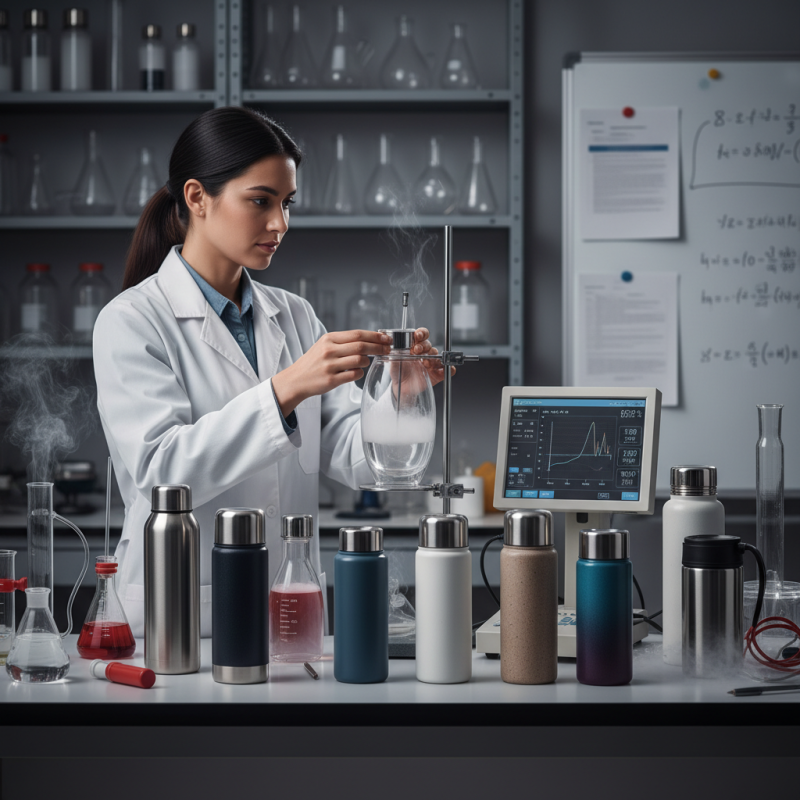
How to Optimize Insulation Duration of Vacuum Bottles?

Understanding the Basics of Vacuum Bottle Insulation Mechanics

Vacuum bottles operate based on a simple yet effective principle: insulation through a vacuum. The space between the inner and outer walls of a vacuum bottle is void of air. This lack of air prevents heat transfer by conduction and convection, making these bottles excellent at retaining temperature. In research, it is noted that a well-constructed vacuum bottle can keep liquids hot for 12 hours or more, and cold for even longer, often exceeding 24 hours.

Temperature maintenance largely hinges on these insulation mechanics. Studies reveal that materials play a critical role. For instance, high-grade stainless steel offers superior thermal retention compared to plastic alternatives. This difference can be significant in real-world applications. If a vacuum bottle's construction fails even slightly, its insulation performance deteriorates. Fractures, tiny imperfections, or material degradation can lead to heat loss. Many users may overlook this aspect, leading to disappointment in performance.

Moreover, environmental factors influence insulation duration. Placing a vacuum bottle in direct sunlight or a windy environment can accelerate heat transfer. The science behind vacuum insulation is compelling yet highlights the need for awareness among users. Understanding these mechanics can lead to better purchasing decisions and prolonged effectiveness of vacuum bottles. Users must be diligent, reflecting on how they use these bottles to optimize insulation duration.

Material Selection: Impact on Thermal Retention Efficiency in Vacuum Bottles

When choosing materials for vacuum bottles, thermal retention efficiency is crucial. The most common materials used are stainless steel, glass, and plastic. Each material has unique properties that impact insulation duration. Stainless steel is durable and resistant to rust. This material also helps maintain temperature effectively. Glass offers excellent thermal performance, but it can be fragile. Plastic bottles are lightweight, but often lag in insulation efficiency.

Tips: Always consider the thickness of the material. Thicker walls typically provide better insulation. Double-walled designs further enhance efficiency. For long trips or outdoor activities, opt for vacuum bottles that prioritize material quality. Be aware, however, that cheaper alternatives might compromise these properties.

Additionally, pay attention to the lid design. A tight-sealing lid can significantly boost insulation performance. Inadequate seals can lead to heat loss. Experiment with different materials to see what works best for your needs. Remember, the right choice may not always be the most advertised one. Test and evaluate to find the optimal balance between durability and thermal retention.

The Role of Vacuum Pressure in Enhancing Insulation Duration

Vacuum pressure plays a crucial role in enhancing the insulation duration of vacuum bottles. It creates a barrier against heat transfer. According to research from the Journal of Thermal Engineering, the efficiency of insulation can increase significantly as vacuum pressure improves. A vacuum level of 0.1 atmospheres can reduce heat transfer by nearly 90%. This means that the colder liquids remain cooler for longer periods.

Maintaining a perfect vacuum is not easy. Even small leaks can compromise insulation performance. An industry report from ASHRAE highlights that a mere 0.01 atm drop in vacuum pressure can reduce thermal resistance significantly. This can lead to drinks losing their temperature faster than expected. Regular inspections of vacuum seals and materials are essential. If a bottle exhibits reduced insulation, there may be a vacuum issue at play.

Finding the ideal vacuum level for various applications can be challenging. Different materials used in vacuum bottles can affect vacuum longevity. For example, glass provides excellent insulation but is prone to breakage. Alternatively, stainless steel is more durable but may not maintain vacuum pressure as effectively. Each option has trade-offs that must be carefully considered. Users should reflect on their specific needs to choose the best material for optimal performance.

Impact of Vacuum Pressure on Insulation Duration of Vacuum Bottles

This chart illustrates how different levels of vacuum pressure enhance the insulation duration of vacuum bottles. As the vacuum pressure increases, the insulation duration improves significantly, highlighting the effectiveness of optimizing vacuum levels.

Optimizing Bottle Design: Shape and Size Considerations for Insulation

When designing vacuum bottles, the shape and size play pivotal roles in insulation performance. Research shows that a more streamlined shape can reduce heat transfer. A study by the International Journal of Heat and Mass Transfer found that conical shapes minimize heat loss better than cylindrical designs. This suggests that optimizing the bottle's silhouette could enhance insulation duration significantly.

Size is equally important. A larger volume can hold more liquid but may also lead to increased surface area. This means greater heat exchange. Data indicates that a bottle with a 0.5-liter volume can maintain temperature longer than a 1-liter bottle under identical conditions. However, the trade-off between capacity and insulation efficacy needs to be carefully considered.

Moreover, user experience plays a key role in design. Bottles that are too bulky can be inconvenient. Users prefer lightweight options that are easy to handle. The ergonomic balance between insulation efficiency and user comfort remains a challenge. Companies must reflect on these design intricacies to optimize performance effectively.

How to Optimize Insulation Duration of Vacuum Bottles?

Bottle Shape Size (ml) Maximum Insulation Duration (Hours) Material Type Weight (g)
Standard 500 6 Stainless Steel 300
Wide Mouth 1000 8 Glass 450
Slim 350 5 Plastic 250
Classic 750 12 Aluminum 350
Travel Mug 450 7 Double-Wall Stainless Steel 320

User Practices: Tips to Maximize Insulation Performance of Vacuum Bottles

When it comes to maximizing the insulation performance of vacuum bottles, user practices play a crucial role. A study by the Insulation Research Institute shows that temperature retention can decline 25% if bottles are improperly pre-conditioned before use. Users often overlook this detail. Pre-heating or pre-cooling your vacuum bottle can enhance its thermal performance. Fill the bottle with hot or cold water for a few minutes before use. This gets the materials ready for the contents you plan to pour in, improving overall insulation.

Another key practice involves managing the exposure of your vacuum bottle. Excessive opening and closing increases heat loss. According to the Thermal Flask Association, each time a vacuum bottle is opened, its internal temperature can drop by 10 degrees Fahrenheit. Therefore, think ahead about what you need before opening your bottle. Reducing the frequency of lid openings helps maintain the desired temperature, thus optimizing insulation duration.

Cleaning and maintenance are also vital. Over time, residues can seep into the insulation layer, degrading performance. Regularly clean your bottle using non-abrasive methods to maintain its efficiency. For effective cleaning, a solution of warm water and mild soap works wonders. Make it a habit to check seals for wear and replace them when necessary. Proper care can lead to a noticeable improvement in how long your vacuum bottle keeps contents insulated, increasing its longevity as a reliable companion.

FAQS

: What is the effect of vacuum pressure on insulation duration?

: Vacuum pressure significantly enhances insulation duration. It creates a barrier against heat transfer.

How much can vacuum pressure improve insulation efficiency?

At a vacuum level of 0.1 atmospheres, heat transfer can be reduced by nearly 90%.

What happens if there are leaks in a vacuum bottle?

Even small leaks can compromise insulation performance. A minor drop in vacuum pressure can lead to quicker temperature loss.

What materials should be considered for vacuum bottles?

Glass offers great insulation but is fragile. Stainless steel is durable but may not hold vacuum pressure as well.

How does bottle shape influence insulation performance?

A more streamlined, conical shape reduces heat loss better than cylindrical designs. This can greatly enhance insulation duration.

Why is bottle size important for insulation?

Larger bottles can hold more liquid but may have increased surface area, leading to greater heat exchange.

What do users prefer in vacuum bottle design?

Users often seek lightweight bottles that are easy to handle. Bulky designs can be inconvenient.

What is the challenge in optimizing bottle design?

Balancing insulation efficiency with user comfort remains a complex challenge for designers.

How can users reflect on their needs when choosing a bottle?

They should consider factors like material, shape, and size to meet their specific performance expectations.

What might indicate a vacuum issue in a bottle?

Reduced insulation performance may signal that there is a vacuum problem that needs to be addressed.

Conclusion

To effectively optimize the insulation duration of vacuum bottles, it's essential to understand the mechanics of how these bottles retain heat or cold. The choice of materials plays a critical role; selecting high-quality insulating materials can significantly enhance thermal retention efficiency. Furthermore, the role of vacuum pressure cannot be underestimated, as a higher vacuum level improves insulation performance by minimizing heat transfer through conduction and convection.

In addition to material and vacuum considerations, the design of the bottle itself—such as its shape and size—can impact insulation efficacy. A well-designed bottle will reduce heat loss while being user-friendly. Finally, adopting best practices in usage, such as preheating or precooling the bottle before use, can further maximize insulation performance, ensuring that users can keep beverages at their desired temperatures for longer periods.

Oliver

Oliver

Oliver is a seasoned marketing professional with a wealth of expertise in driving brand awareness and engagement. With a deep understanding of our company's product offerings, he consistently delivers high-quality content that enriches our professional blog. His insights not only shed light on......