 Elevate Bottle
Elevate Bottle
Elevate Bottle
When it comes to water bottle designs, the ease of cleaning is crucial. Many users face challenges in maintaining hygiene. Bacteria can thrive in hard-to-reach areas, leading to health risks. Therefore, it's vital to optimize the ease of cleaning for water bottle designs.
Various designs prioritize convenience, yet not all succeed. Some bottles have narrow openings that make scrubbing difficult. Others feature intricate shapes that trap residue. Recognizing these design flaws is essential.
Manufacturers should focus on user experience. A bottle that is easy to clean encourages regular use. Simple, smooth surfaces with minimal crevices should be prioritized. Evaluating user feedback can enhance design effectiveness. Adjustable closures and wide openings are features worth considering. Creating a water bottle that marries functionality with ease of maintenance is key.
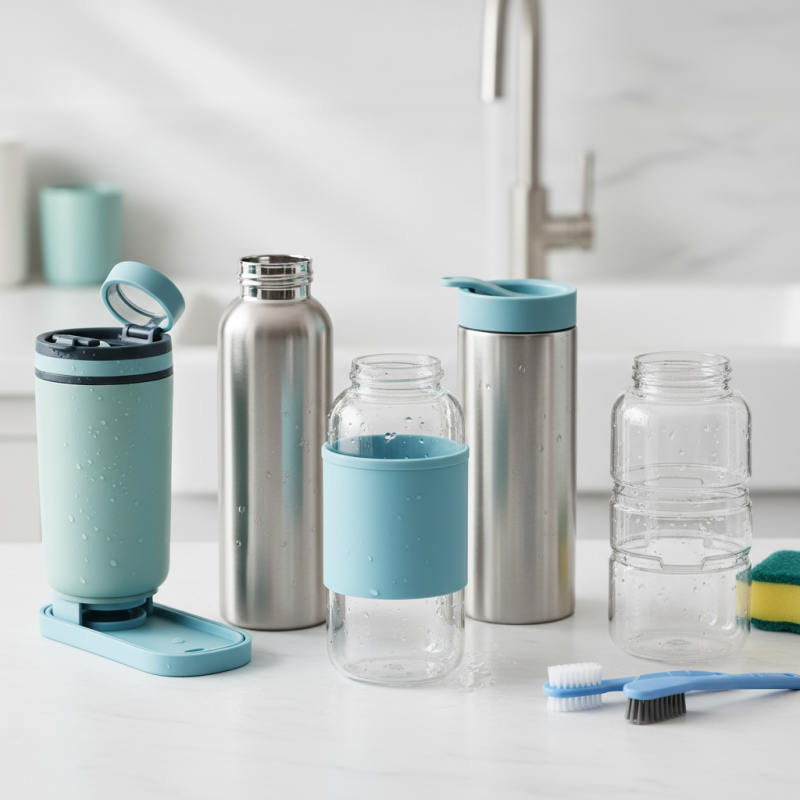
Innovative materials play a critical role in enhancing the cleanliness of water bottles. According to recent industry reports, hygiene is a top concern for 57% of consumers when selecting drinkware. Traditional plastic bottles often harbor bacteria, making cleaning challenging. In contrast, options like stainless steel and glass can mitigate this risk significantly. These materials are not only easy to clean but also resistant to odors and stains.
Another beneficial option is the use of antimicrobial coatings. Research shows that bottles with these coatings decrease bacteria presence by 99.9%. This innovation offers a promising solution for improving product hygiene. However, the cost of such materials can be high, which may limit their widespread adoption. Brands must balance performance with affordability, sometimes resulting in trade-offs.
Moreover, bottle designs that feature wider openings facilitate easier washing. Many consumers still struggle with cleaning narrow-mouthed bottles effectively. Industry data reveals that 40% of users abandon bottles simply due to cleaning difficulties. This statistic highlights the need for manufacturers to rethink designs considering user experience. While advancements are being made, continuous reflection on practical usability remains essential.
: Cleaning water bottles prevents residue and bacteria build-up. It ensures better hygiene for users.
Detachable components allow users to access every part of the bottle. This leads to more thorough cleaning.
Look for removable lids and straws. A wider mouth opening helps reach inside for cleaning.
Opt for materials that resist odors and stains. Smooth surfaces are easier to clean.
Rinse your bottle after each use. A bottle brush can help clean hard-to-reach areas.
Yes, intricate designs might look attractive but can be harder to clean effectively.
Lids often trap particles and moisture. This can lead to mold if not cleaned properly.
Check compatibility before cleaning. This makes the process more effortless and efficient.
Complex designs can frustrate users. They may not clean every spot thoroughly, hindering hygiene.
It helps identify user-friendly features. Improving small details can enhance cleaning effectiveness.
To optimize the ease of cleaning for water bottle designs, manufacturers are increasingly focusing on innovative materials that resist bacterial growth and make maintenance simpler. Ergonomic features are being integrated to enhance accessibility during cleaning, ensuring that users can effectively sanitize their bottles without excessive effort. Furthermore, the incorporation of detachable components allows for thorough cleaning, addressing hard-to-reach areas that often harbor residue.
Design strategies aimed at minimizing residue build-up are also pivotal in this process. By creating smoother surfaces and utilizing hydrophobic materials, water bottles can remain cleaner for longer periods. Additionally, the commitment to sustainable practices in water bottle manufacturing and cleaning ensures that these innovations not only enhance functionality but also promote environmental responsibility. Together, these advancements are revolutionizing how we think about cleanliness in water bottle design.
