Elevate Bottle
In the growing market of sustainable products, "Private Label Water Bottles" have become a significant choice for consumers. Jane Thompson, a leading expert in sustainable branding, emphasizes, “Private label water bottles can enhance brand loyalty while promoting eco-friendliness.” This statement highlights the potential of private label options, which offer distinct advantages.
Private label water bottles present an opportunity for businesses to create a unique identity. Custom branding allows companies to connect with eco-conscious consumers. These products can reflect a brand's values and commitment to sustainability. However, some may wonder about the actual quality of these bottles. Not all private label options are created equal.
The choice of private label water bottles involves critical considerations. Businesses must assess suppliers and their practices. This scrutiny is vital to ensure product reliability. As the industry evolves, consumer expectations continue to rise. Meeting these expectations can be challenging but rewarding. As you explore this market, think carefully about the implications of your choices.
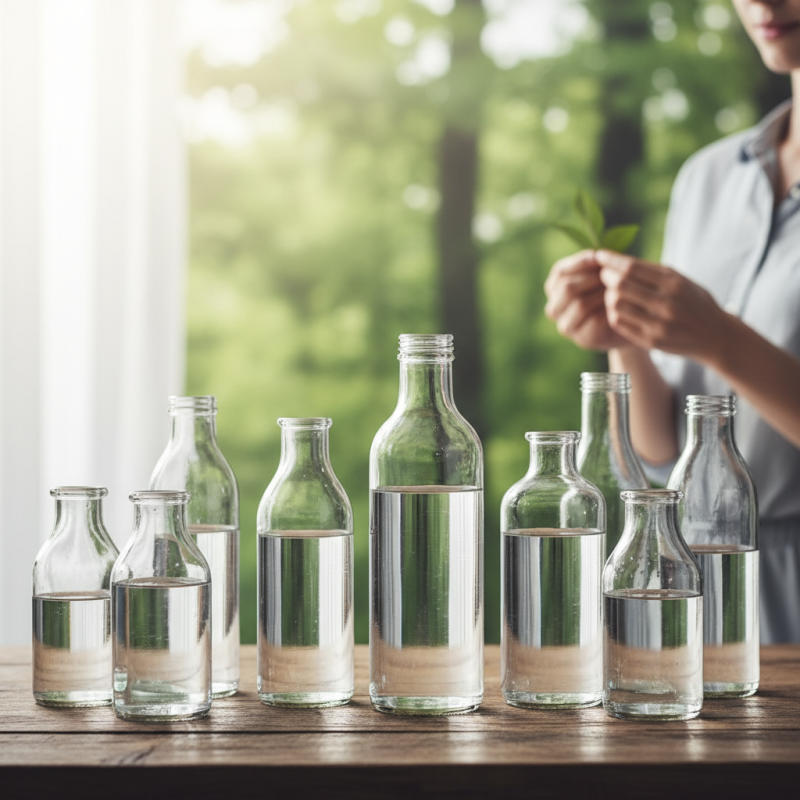
Private label water bottles have gained traction in recent years. They are bottled water products produced by one company and sold under another brand's label. This model allows businesses to market customized products without the costs associated with manufacturing. The global bottled water market size was valued at over $200 billion in 2022, with private labels capturing a significant share.
The appeal of private label water bottles lies in their potential for customization. Brands can tailor the design, size, and even the source of water to target specific consumer preferences. Research indicates that 45% of consumers are willing to pay more for eco-friendly packaging. This opens up opportunities for brands to stand out in a crowded market. However, maintaining consistent quality remains a challenge. Not all water sources are equal, and ensuring the purity of water is crucial.
In the age of sustainability, private label water bottles also face scrutiny. Many consumers demand transparency about sourcing and production practices. A recent report by the International Bottled Water Association highlights that nearly 70% of consumers prefer brands that provide clear information about their products. Brands must navigate these expectations while building trust. The future success of private label water bottles hinges on balancing quality, branding, and environmental responsibility.
The chart above illustrates the market share distribution of private label water bottles among various sectors. Custom brands lead the market with 35%, followed by retail chains at 25%. Health clubs and online sales contribute 15% each, while events and promotions account for the remaining 10%.
Private label water bottles provide businesses with unique branding opportunities. By customizing the design and labeling, companies can create a product that reflects their values. This personal touch fosters a stronger connection with customers. It can enhance brand loyalty, encouraging repeat purchases.
Choosing private label bottles often leads to cost savings. Manufacturers frequently offer competitive pricing. This approach allows businesses to maintain quality while optimizing profit margins. However, navigating quality control can be challenging. Selecting a reliable supplier is crucial. Ensuring that the bottles meet safety standards is non-negotiable.
The market for eco-friendly packaging continues to grow. Many brands struggle to balance sustainability with aesthetics. This is where private labeling shines. Brands can specify eco-conscious materials for their bottles, striking a balance between function and form. Yet, the complexity of sourcing sustainable materials requires careful consideration. Ultimately, private label water bottles can be a strategic asset when aligned with a brand's mission.
Customizing your private label water bottle design offers a unique touch to your brand. With the bottled water market projected to reach $500 billion by 2027, the trend of private labeling is surging. Businesses see this as a chance to engage customers meaningfully. A well-designed bottle can create lasting impressions.
Designing your private label water bottle isn't just about aesthetics. It’s important to incorporate elements that resonate with your target audience. Research shows that 72% of consumers prefer products with attractive packaging. A thoughtful design can boost brand recognition and improve customer loyalty.
However, there are challenges in the customization process. Balancing originality and cost-effectiveness can be tricky. Some designs may require more expensive materials or complex printing techniques. This could impact your overall budget. Continuous testing and gathering customer feedback are necessary for refining your design. Ultimately, investing in your water bottle design can yield higher returns and elevate brand visibility.
| Feature | Description | Benefits |
|---|---|---|
| Customization | Ability to add your brand logo and design on the bottle. | Enhances brand visibility and customer loyalty. |
| Quality Options | Various materials available such as PET, BPA-free plastic, and glass. | Provides health-conscious consumers with safe options. |
| Pricing | Competitive pricing for bulk orders. | Cost-effective solution for event giveaways or corporate gifts. |
| Sustainability | Options for eco-friendly materials and designs. | Appeals to environmentally-conscious consumers. |
| Marketing Tool | Use as a promotional item for brands. | Creates brand awareness in various environments. |
The private label water bottle industry is thriving. Consumers are increasingly choosing custom-branded water bottles over national brands. This trend reflects a desire for uniqueness and personalization in products. Private label options give retailers control over branding and pricing. These bottles often cater to specific market segments, driving customer loyalty.
Market analysis shows a shift toward eco-friendly options. Many brands now offer biodegradable and recycled materials in their water bottles. This meets the growing consumer demand for sustainable products. Health-conscious consumers are also interested in BPA-free bottles. Manufacturers are responding by innovating materials that prioritize safety.
Tips for selecting a private label water bottle: consider your target audience's preferences. For instance, younger consumers may prefer trendy designs. Evaluate the materials used, ensuring they align with eco-friendly standards. Lastly, think about marketing strategies to promote your unique offerings. Balancing quality with affordability can be a challenge, but it is essential for success.
Starting a private label water bottle business requires careful planning and execution. First, conduct market research to identify your target audience. Understand their preferences regarding design, size, and functionality. Knowing your customers helps create a product that stands out. Engage with existing brands to learn about trends. Social media can reveal what consumers like and dislike.
Next, choose a reliable manufacturer. Quality control is crucial for bottled water. You need to ensure that the bottles meet safety standards. Request samples before committing to a large order. Evaluate the material used for durability. Consider eco-friendly options as they appeal to environmentally conscious consumers.
Effective branding is essential. Develop a unique label and packaging design that reflects your brand’s values. A well-thought-out design can attract buyers. Consider advice from graphic designers if needed. Keep in mind that branding is not just about aesthetics; it also suggests the product's quality. After launching, gather customer feedback. This can reveal areas for improvement. Iterating based on this feedback builds trust and reliability.
: Private label water bottles are customized products designed with a specific brand's unique identity.
They enhance brand loyalty and provide cost savings through competitive pricing.
Quality control is vital. Businesses must choose reliable suppliers who meet safety standards.
Yes, many brands can specify eco-conscious materials. This balances sustainability and aesthetics.
Begin with market research to understand customer preferences and design needs.
Evaluate manufacturers by requesting samples and checking their quality control practices.
Effective branding attracts customers and signals product quality.
Use surveys or engage directly with customers after launching your product.
Your design should reflect your brand values and attract your target audience effectively.
Sourcing sustainable materials is complex. It requires thought and planning for long-term benefits.
Private label water bottles are customizable beverage containers that businesses can brand with their own labels. These bottles offer several benefits, including enhanced brand recognition and the ability to cater to specific consumer preferences. By designing unique packaging, companies can differentiate themselves in a competitive market, tapping into trends that favor eco-friendly and personalized products.
The market for private label water bottles is growing, driven by consumer demand for sustainable options and personalized experiences. To get started with private label water bottles, businesses can partner with manufacturers to create tailored designs that reflect their brand identity, ensuring they address current market trends effectively. Overall, private label water bottles represent a strategic opportunity for businesses looking to expand their product offerings and connect with consumers on a deeper level.
