Elevate Bottle Elevate Bottle

How to Purify Your Water Bottles for Safe Drinking?

Time:2026-03-20 Author:Aria
0%

Clean water is vital for health. However, many overlook the importance of purifying their water bottles. Dr. Sarah Collins, an expert in water safety, states, "Regularly purifying water bottles is key to preventing harmful bacteria growth." This highlights the need for proper cleaning techniques to ensure safe drinking.

Purifying water bottles can seem simple, yet many people fail to do it correctly. Bacteria thrive in warm, moist environments like your favorite bottle. If you don't clean it properly, dangerous microbes can multiply. Consider the residue from your last drink. That leftover sugary drink could become a breeding ground for germs.

Every time you refill, ask yourself if your water bottle is clean. Use hot water and soap or a dedicated bottle-cleaning solution. Regular cleaning helps avoid potential health risks. Purifying water bottles isn't just a chore; it's necessary to protect yourself and your loved ones. Don't underestimate this task; reconsider your routine.
How to Purify Your Water Bottles for Safe Drinking?

Understanding the Importance of Purifying Water Bottles

When it comes to drinking water, cleanliness is vital. Water bottles can harbor bacteria if not properly cleaned. According to studies, nearly 60% of reusable water bottles show signs of bacterial contamination. This highlights the importance of not only regular cleaning but also purifying these containers.

Purifying water bottles removes harmful pathogens that could lead to illness. Research indicates that the average person drinks about two liters of water daily. If that water comes from a contaminated bottle, the risk of gastrointestinal diseases increases. It's been noted that some bacteria can double in number every 20 minutes in warm, damp environments. So, not purifying your water bottle can have serious consequences.

It's easy to overlook the purity of your bottle. Many people simply rinse them out. However, thorough cleansing with proper solutions is necessary. In fact, around 30% of people admit to neglecting this crucial step. Regular purification should be a part of your routine. Simple methods, like using vinegar or baking soda, are affordable and effective.

Common Contaminants Found in Water Bottles

Water bottles can harbor various contaminants. These may arise from the environment or improper cleaning. It's crucial to recognize common pollutants in your bottle.

One frequent offender is bacteria. Moisture and warmth create a breeding ground for these microorganisms. A neglected bottle can become a source of illness. Mold may also develop, especially in hard-to-reach areas. This can cause allergic reactions or other health issues.

Another concern is the chemical residue left behind from beverages. Sports drinks and juices can leave sticky residues that invite bacteria. If left uncleaned, these remnants can spoil your water and pose risks. Regularly inspect your bottle for signs of wear or damage, as they can harbor contaminants as well.

Step-by-Step Guide to Cleaning with Soap and Water

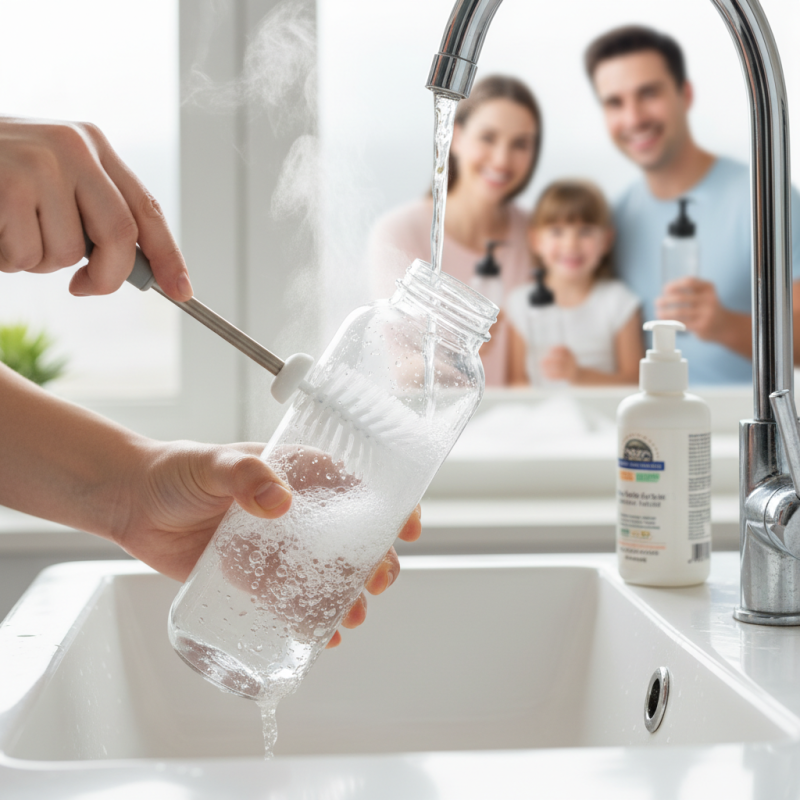
Keeping your water bottles clean is essential for your health. Dirt and bacteria can accumulate over time. It’s simple to clean them using just soap and water. You don’t need fancy products or tools. Start with warm water and a few drops of mild dish soap.

Rinse your water bottle thoroughly to remove any residue. Pour the soapy water inside and shake it. Make sure to cover the entire inner surface. Pay attention to the bottom and the cap, as they often harbor germs. Let it soak for a few minutes. After soaking, grab a bottle brush if you have one. You can also use a cloth if you don’t.

Rinse everything again under warm running water. Let it air dry. It’s important to note that you might miss some spots. Check for any unpleasant odors before using them again. Be mindful that regular cleaning is necessary, even if it seems tedious. Consistency is key to ensuring safe drinking.

Effective Methods for Deep Cleaning Using Vinegar or Baking Soda

Keeping your water bottles clean is essential for safe drinking. Vinegar and baking soda are two simple ingredients for effective deep cleaning. They are accessible, safe, and inexpensive.

To begin with vinegar, fill your bottle halfway with this natural cleaner. Add water until the bottle is three-quarters full. Shake it well to ensure even coverage. Let it sit for a few hours, preferably overnight. Afterward, rinse thoroughly to remove the vinegar odor. This method fights bacteria and eliminates unwanted tastes.

Baking soda works wonders too. Pour two tablespoons into your bottle. Add warm water to dissolve the powder. Swirl the mixture around, allowing it to scrub the bottle's interior. Let it sit for a while, then rinse well. Some people forget the importance of scrubbing the lid and cap. This area can hide dirt and germs. Regularly deep cleaning will extend your bottle's life and ensure safe hydration.

How to Properly Store and Maintain Clean Water Bottles

Proper storage of water bottles is crucial for safe drinking. Clean water bottles can harbor bacteria if not maintained correctly. Studies show that about 60% of reusable water bottles contain harmful bacteria. A suitable environment for storage helps mitigate this risk.

Keep water bottles dry and store them in a cool, dark place. Avoid direct sunlight. UV light can degrade the bottle material over time. Regular cleaning is essential. Use a mix of baking soda and vinegar to eliminate odors and bacteria. Rinse thoroughly to prevent any residue.

Tips: Wash bottles daily, especially if you use them often. Use a bottle brush to reach inside. Inspect the cap and nozzle, as these areas are prone to build-up. Rotating your water bottles can help you identify any that need replacing. Remember, a little vigilance goes a long way.

How to Purify Your Water Bottles for Safe Drinking? - How to Properly Store and Maintain Clean Water Bottles

Method Materials Needed Steps Safety Tips
Boiling Water, pot 1. Fill pot with water.
2. Bring to a rolling boil for at least 5 minutes.
3. Let it cool before pouring into bottles.
Ensure water is at a full boil; allow adequate cooling time.
Chemical Treatment Water purification tablets 1. Follow package instructions for dosage.
2. Add tablets to the water in the bottles.
3. Wait for specified time before consumption.
Only use as directed; check expiration date on tablets.
Filtration Water filter, jug 1. Fill jug with water.
2. Pour through the filter into clean bottles.
3. Test filter regularly for effectiveness.
Replace filters as recommended; ensure jugs are clean.
Chemical Free Option Sunlight (solar purification) 1. Fill clear bottles with water.
2. Leave in direct sunlight for at least 6 hours.
Use clear, clean bottles; ensure full sunlight exposure.

FAQS

: How can I deep clean my water bottle with vinegar?

: Fill your bottle halfway with vinegar. Add water to three-quarters full. Shake well and let it sit overnight.

What should I do after cleaning with vinegar?

Rinse thoroughly to eliminate any vinegar odor. This step is crucial to ensure a fresh taste.

How do I clean my bottle using baking soda?

Add two tablespoons of baking soda to your bottle. Mix with warm water and swirl it around.

Can I forget to clean the lid and cap?

It's easy to overlook the lid and cap, but they can harbor dirt and germs. Don't skip this step.

Why is proper storage important for water bottles?

Proper storage prevents bacterial growth. About 60% of reusable bottles may harbor harmful bacteria if neglected.

Where should I store my clean water bottles?

Keep them dry in a cool, dark place. Avoid direct sunlight, as UV rays can damage the material.

How often should I wash my water bottles?

Daily cleaning is recommended, especially for frequent use. Regular maintenance helps ensure safe hydration.

What tool can help clean inside the water bottle?

A bottle brush is effective for reaching the interior. It helps remove buildup and keeps your bottle clean.

How can I extend the life of my water bottle?

Regular deep cleaning and proper storage will help. Rotate bottles to identify any needing replacement.

What’s a common mistake when cleaning bottles?

Many forget to scrub vital areas. A little vigilance in cleaning goes a long way in maintaining hygiene.

Conclusion

Purifying water bottles is essential for ensuring safe drinking and maintaining good health. Contaminants such as bacteria, mold, and harmful residues can build up in water bottles over time, posing risks to users. This article outlines the importance of regularly purifying your water bottles, highlights common contaminants, and provides a comprehensive step-by-step guide for cleaning using simple methods like soap and water.

For a more thorough deep cleaning, effective techniques involving vinegar or baking soda are discussed. Additionally, the article emphasizes proper storage and maintenance practices to keep your water bottles clean and ready for use. By following these guidelines, you can ensure that your water bottles remain safe and hygienic for consumption.

Aria

Aria

Aria is a dedicated marketing professional with a deep passion for innovative strategies and a keen understanding of our company's product offerings. With a wealth of experience in the industry, Aria excels at crafting engaging content that highlights the unique features and benefits of our......