Elevate Bottle
Reducing BPA content in plastic drinking bottles is crucial for our health. BPA, or bisphenol A, is a chemical often found in plastics. Research shows it can disrupt hormones, posing risks to both adults and children. As awareness grows, many seek practical methods to mitigate this risk.
One effective approach is to choose BPA-free products. However, not all BPA-free plastics are safe. Some replace BPA with similar harmful compounds. Therefore, consumers must read labels carefully. Another strategy involves opting for alternatives like glass or stainless steel bottles. These materials are safer and reduce exposure significantly.
Regular cleaning of plastic bottles also plays a pivotal role. Heat and wear can increase BPA leaching over time. Using mild detergents and avoiding high temperatures are essential practices. While these steps help, it's important to recognize that no solution is flawless. Continuous efforts to understand and reduce the BPA content in plastic drinking bottles are necessary for better health outcomes.
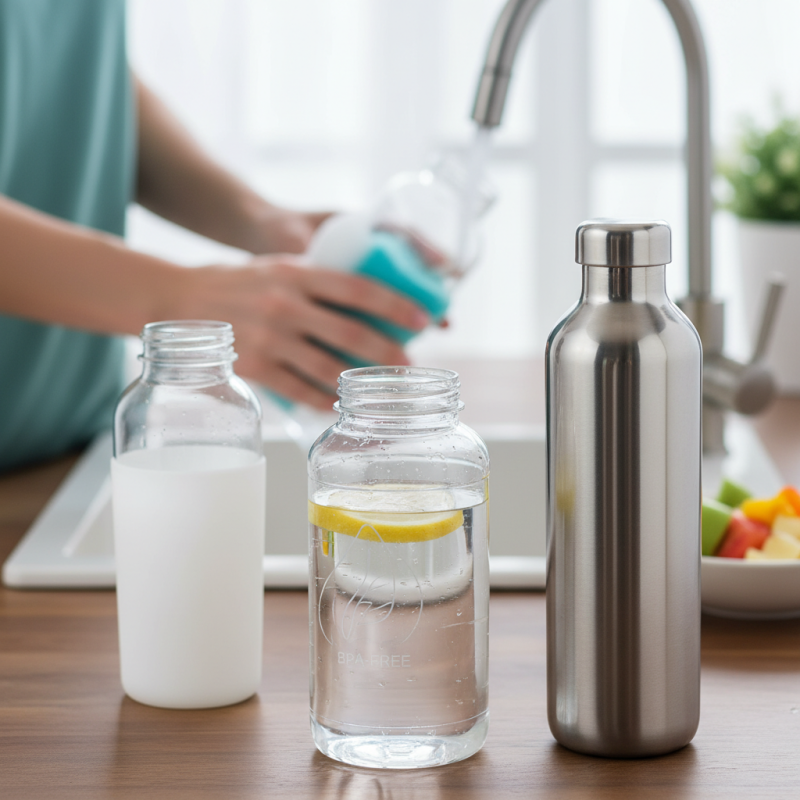
BPA, or bisphenol A, is a chemical found in many plastic products, especially drinking bottles. Research shows that BPA can leach into beverages, especially when bottles are heated or scratched. Exposure to BPA is linked to various health issues. These include hormonal disruptions, reproductive problems, and increased risk of certain cancers. Understanding these risks is essential for consumers who want to safeguard their health.
To reduce BPA exposure, choose bottles marked as “BPA-free.” Many manufacturers now provide safer alternatives. Glass or stainless steel bottles are excellent choices as they don't contain harmful chemicals. Follow care instructions to keep bottles in good condition, as wear and tear can increase BPA leaching. Also, avoid heating plastic containers. Microwaving or putting them in the dishwasher can cause breakdowns.
While it’s difficult to avoid BPA entirely, small changes can make a difference. Check labels carefully. Stay informed about new research regarding plastics and their safety. Each informed choice contributes to better health and wellbeing. Your awareness and actions matter.
Choosing the right drinking bottle is essential for health. BPA, or bisphenol A, is a chemical found in many plastics. It can leach into beverages, raising health concerns. Identifying BPA-free alternatives is a key step in reducing exposure.
Look for bottles made from materials like stainless steel or glass. These options do not contain BPA and are often more durable. While stainless steel is great for insulation, glass is perfect for a pure taste. Many people appreciate the aesthetic of glass as well. However, keep in mind that glass can break easily.
Some plastics are labeled as BPA-free, but it’s crucial to check. Sometimes, these plastics can still contain harmful substitutes. Research shows that not all plastic alternatives are safe. It’s essential to evaluate your options and choose wisely. Always consider your usage. For everyday activities, stainless steel may outweigh the convenience of lighter plastic.
BPA, or bisphenol A, is a chemical found in many plastic products. Reducing exposure to BPA is crucial, especially in drinking bottles. Here are some practical tips to help you minimize BPA in your daily life.
Start by choosing alternatives. Look for glass, stainless steel, or BPA-free plastic bottles. These options help prevent BPA from leaching into your beverages. Remember, not all plastics are equal. Some may still release harmful chemicals, even if they're labeled as “BPA-free.” Always check the recycling codes on the bottom of bottles. Codes 3 and 7 could contain BPA.
Be cautious with heating. Don’t microwave plastic bottles, as heat can increase BPA release. Instead, transfer your drink to a glass or ceramic container before heating. Additionally, avoid using bottles that show signs of wear. Scratched or damaged plastic is more likely to release BPA. Regularly inspect and replace old bottles to ensure safety.
Finally, remember to store drinks at cool temperatures. Heat can accelerate chemical leaching. Keeping your plastic bottles out of direct sunlight helps maintain their integrity. Awareness of your choices and careful handling can significantly lower your BPA exposure.
Maintaining plastic drinking bottles is crucial for health and hygiene. Regular cleaning helps prevent the buildup of harmful substances, including BPA. Start by rinsing the bottle with warm water. This helps remove residues. You can use a mixture of vinegar and water for deeper cleaning. Vinegar is a natural disinfectant. It’s effective against mold and bacteria.
Pay attention to your cleaning tools. Use a soft brush to reach the bottom and sides. Avoid abrasive materials; they can scratch the plastic. Inspect bottles for signs of wear. Scratches can trap bacteria and harmful chemicals. Replacing them is often a safer choice than continuing to use damaged ones.
Consider the bottle's exposure to heat. High temperatures can increase BPA leaching from plastics. Store bottles in a cool, dark place. This simple change can significantly reduce chemical exposure. Your cleaning routine is important, but proper storage is equally vital for maintaining safety.
| Method | Description | Effectiveness | Frequency |
|---|---|---|---|
| Use Glass Bottles | Switch to glass containers which do not leach BPA. | Highly Effective | Always |
| Avoid Heat | Keep plastic bottles out of the sun and heat sources to prevent BPA leaching. | Moderately Effective | Always |
| Wash with Vinegar | Clean with a vinegar solution to help reduce contaminants. | Effective | Weekly |
| Use BPA-Free Bottles | Opt for bottles labeled as BPA-free to avoid ingestion. | Highly Effective | Always |
| Check Recycling Codes | Avoid plastics with recycling codes 3 (PVC) and 7 (other). | Effective | Always |
When choosing plastic drinking bottles, being aware of BPA is crucial. Research indicates that BPA can leach into liquids, especially when bottles are heated or used repeatedly. A study from the National Institutes of Health found that BPA exposure can disrupt endocrine functions. This hormone disruption could lead to severe health issues, including reproductive problems and increased cancer risks.
Selecting BPA-free options is essential. Look for bottles labeled as "BPA-free" or those made from alternative materials such as stainless steel or glass. These materials are less likely to leach harmful chemicals into your drinks. Additionally, avoid using plastic bottles that show signs of wear or damage, as they may release more substances over time.
Proper usage of plastic bottles also matters. Do not expose them to high temperatures like leaving them in a car. Wash bottles with mild soap and avoid harsh detergents that could degrade the plastic. These practices may reduce potential health risks associated with BPA. Maintaining awareness of how and when we use plastic items can lead to better health choices.
?
BPA exposure may lead to hormonal disruptions, reproductive issues, and a higher risk of certain cancers.
Choose glass, stainless steel, or BPA-free plastic bottles to minimize BPA in beverages.
Not all BPA-free plastics are safe. Check recycling codes, as codes 3 and 7 may still contain BPA.
No, heating plastic bottles can increase BPA release. Transfer drinks to glass before heating.
Rinse with warm water and use vinegar for deeper cleaning. Avoid abrasive brushes that scratch.
Inspect for scratches and signs of wear. It’s safer to replace damaged bottles to avoid harmful exposure.
Keep plastic bottles in a cool, dark place to reduce chemical leaching from heat and sunlight.
It's best not to microwave plastic. Transfer food to a safer container like glass or ceramic.
This article explores effective strategies to reduce the BPA content in plastic drinking bottles, a crucial step for enhancing health and safety. It begins by explaining what BPA is and the potential risks associated with its leaching into beverages. To mitigate these risks, the article identifies BPA-free alternatives that consumers can opt for, along with practical tips for reducing overall BPA exposure in everyday life.
Furthermore, it emphasizes the importance of properly cleaning and maintaining plastic bottles to prevent BPA degradation and discusses best practices for selecting and using bottles wisely. By adopting these measures, individuals can significantly lower their BPA exposure and make more informed choices about their drinking vessels.
