Elevate Bottle Elevate Bottle

How to Reduce Odor Retention in Reusable Plastic Bottles?

Time:2026-06-04 Author:Amelia
0%

Reusable plastic bottles are an eco-friendly choice for many. However, they are often prone to retaining odors. This can be an unpleasant experience for users. Learning how to reduce the odor retention in reusable plastic bottles is essential for maintaining cleanliness and freshness.

To achieve this, consider several factors. First, the material of the bottle plays a crucial role. Some plastics are more porous and absorb odors easily. While it may be tempting to use these bottles, they may require more frequent cleaning. Regularly washing your bottles with hot water and detergent can help eliminate lingering smells. Additionally, using a mixture of vinegar and baking soda can tackle stubborn odors effectively.

It's also important to reflect on how we use these bottles. Storing beverages for long periods can lead to more significant odor retention. Be mindful of the types of liquids you consume. Proper practices not only extend the life of your bottles but also ensure a better experience. Knowing how to reduce the odor retention in reusable plastic bottles is key to enjoying them fully.
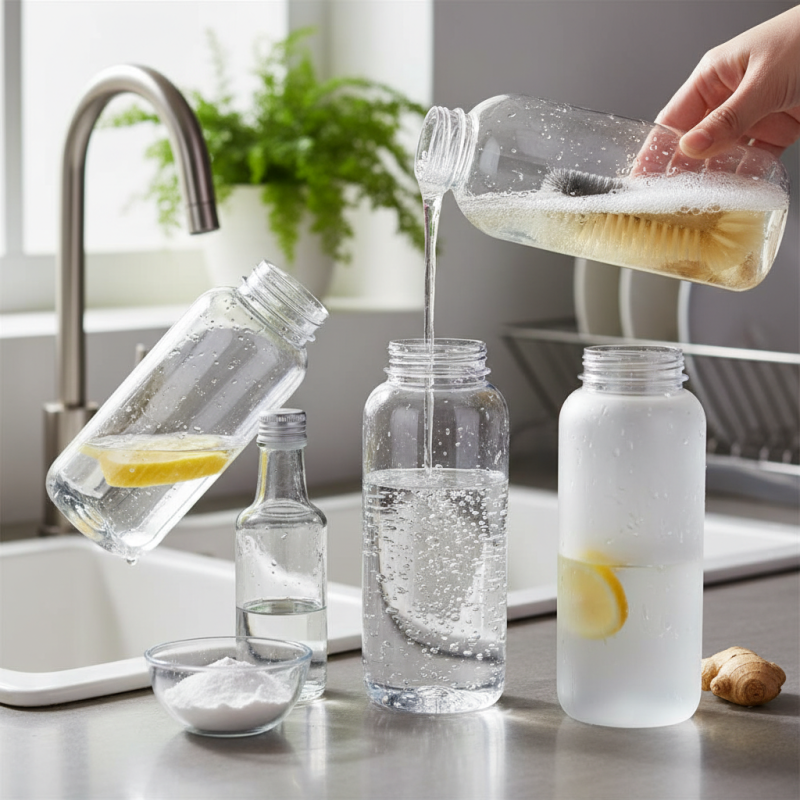
How to Reduce Odor Retention in Reusable Plastic Bottles?

Understanding Odor Retention in Plastic Bottles

Odor retention in plastic bottles is a common issue. Many users notice that their reusable bottles can develop persistent smells over time. This is often due to the porous nature of some plastic materials. Once odors penetrate the surface, they can be challenging to remove.

Understanding the causes of odor retention is crucial. Certain substances, like strong-flavored beverages, can leave a lasting impact. Bacteria and mold can also thrive in damp environments, contributing to unwanted smells. Regular cleaning is essential, but it is not always enough. Many individuals may overlook hidden corners in their bottles, where grime can accumulate unnoticed.

Using baking soda or vinegar can help neutralize odors. Soaking the bottle for several hours can be effective. However, results can vary, and some scents might linger despite efforts. This highlights the need for a consistent cleaning routine. Over time, the buildup of odors calls for a more thorough approach, possibly including replacing the bottle itself. Each bottle has its limits, and recognizing when it's time to refresh your collection is vital.

Common Causes of Odor in Reusable Bottles

Reusable plastic bottles are convenient, but they can develop strong odors over time. Understanding the common causes of odor in these bottles can help you minimize this issue. One of the primary reasons for odor retention is inadequate cleaning. If you don’t wash the bottle thoroughly after each use, residues from previous drinks can accumulate, leading to unpleasant smells. Even small amounts of liquid left behind can spoil and ferment, creating a breeding ground for bacteria.

Another culprit is the type of liquids stored in the bottle. Sports drinks, fruit juices, and flavored waters often leave behind residues that can be stubborn. These liquids tend to cling to the plastic, making it necessary to clean more rigorously. Additionally, the bottle’s material may absorb some odors, especially if it has been used for strong-smelling substances. Over time, the plastic can retain this scent, making it difficult to eliminate.

Even with regular cleaning, some people find that odors persist. This could indicate a deeper issue with the bottle's integrity. Scratches or wear on the plastic can harbor germs and odors. Consider regularly inspecting your bottles for signs of damage. Reassessing how and when you clean your bottles can be beneficial as well. Emphasizing a consistent and thorough cleaning routine is essential for odor control.

Effective Cleaning Techniques to Combat Odor

Odor retention in reusable plastic bottles can be a persistent issue. Proper cleaning techniques are essential to combat these odors. Studies show that nearly 70% of users report unpleasant smells after a few uses without proper cleaning. Regular dish soap and water might not be enough to eliminate these stubborn odors.

One effective method involves using a baking soda paste. Mixing three tablespoons of baking soda with water helps create a scrubbing paste. Apply it to the interior surfaces and let it sit for 30 minutes. This technique is backed by a report from the American Cleaning Institute, which suggests baking soda neutralizes odors. Another option is vinegar. Its acetic acid cuts through residue and helps remove smells. Soaking the bottle overnight in a solution of one cup of vinegar and warm water can yield good results.

Using warm water while cleaning can significantly enhance the effectiveness of the process. Warm water helps dissolve residues that harbor bacteria, a common source of smells. However, inconsistencies in application frequency can lead to recurring odors, a factor often neglected. It’s vital to remember that some materials may require extra care to avoid damage, emphasizing the need for thoughtful cleaning habits.

Preventive Measures to Reduce Odor Retention

Reusable plastic bottles are convenient, but they can trap unpleasant odors. To prevent this, proper care is essential. Regular maintenance can significantly reduce odor retention.

One effective tip is to wash the bottle immediately after use. Rinse it with warm water and mild soap. This helps remove residues before they settle in. It's also beneficial to use a bottle brush to reach tough spots.
Sometimes, odors linger despite cleaning. In such cases, a mixture of baking soda and water can work wonders. Let it sit for a few hours and rinse thoroughly.

Consider storing your bottles in a well-ventilated area. Sealing them in airtight containers can create a moist environment, which may encourage mold and odor. Always ensure your bottle is completely dry before putting it away.
Forgotten bottles can develop strong odors. Regular inspections help catch issues early, preventing the need for more drastic solutions.

Best Practices for Storing and Maintaining Reusable Bottles

Maintaining reusable plastic bottles requires thoughtful practices to minimize odor retention. After each use, rinse the bottle thoroughly with warm water. For stubborn odors, a solution of baking soda and water can work wonders. Leave this mixture in the bottle for a few hours, then rinse well. This method is both effective and safe for long-term use.

While these practices are helpful, it's important to be mindful of the limitations. Despite your best efforts, some bottles may still hold onto scents. Regularly inspect your bottles for signs of wear. Scratches and cracks can harbor bacteria, leading to unpleasant smells. If a bottle doesn't clean well, consider replacing it.

Storing the bottles properly can further reduce odor issues. Always dry them completely before sealing to prevent moisture buildup. This can discourage the growth of mildew or mold. It’s also wise to store them upright. This keeps moisture away from the cap and threads. These details, while often overlooked, can make a significant difference in maintaining freshness.

Odor Retention in Reusable Plastic Bottles

FAQS

: Why do reusable plastic bottles develop odors?

: Odors often result from inadequate cleaning and residues from previous drinks.

How can I effectively clean my reusable bottle?

Rinse with warm water and mild soap immediately after use. Use a bottle brush for tough spots.

What should I do if odors persist after cleaning?

Try a mixture of baking soda and water. Let it sit for a few hours before rinsing thoroughly.

How can I store my bottles to prevent odors?

Store bottles in a well-ventilated area and ensure they are completely dry before sealing.

How often should I inspect my reusable bottles?

Regular inspections help catch wear and tear early, preventing bacteria and odor buildup.

What if my bottle has scratches or cracks?

Scratches can harbor germs; if it doesn’t clean well, consider replacing the bottle.

Is it okay to seal my bottles while storing?

Sealing can create moisture, which encourages mold. Always store them dry and upright.

What types of drinks cause strong odors in bottles?

Sports drinks, fruit juices, and flavored waters tend to leave stubborn residues.

Can I reduce odors by cleaning less frequently?

Infrequent cleaning leads to odor build-up. Consistency in cleaning is crucial.

How important is my cleaning routine for odor control?

A thorough and consistent routine is essential, but some odors may still linger despite efforts.

Conclusion

Reducing odor retention in reusable plastic bottles can significantly enhance their usability and hygiene. Understanding the primary causes of odor, such as residue from previous contents and bacterial growth, is crucial. Effective cleaning techniques, including thorough washing with hot soapy water or using vinegar solutions, can help eliminate stubborn odors.

Additionally, implementing preventive measures like ensuring bottles are completely dry before storage and using them for less odorous liquids can mitigate future odor issues. Adopting best practices, such as regular maintenance and proper storage conditions, will also contribute to reducing the odor retention in reusable plastic bottles, ensuring they remain fresh and safe for use.

Amelia

Amelia

Amelia is a seasoned marketing professional with a wealth of expertise in our company’s core offerings. With an unwavering passion for driving growth and innovation, she plays a pivotal role in shaping our marketing strategies and enhancing brand visibility. A key aspect of her responsibilities......