Elevate Bottle Elevate Bottle

How to Reduce the Weight of Travel Water Bottles for Ease?

Time:2026-08-16 Author:Aria
0%

Traveling is an adventure, yet carrying heavy water bottles can be cumbersome. To truly enjoy your journey, you must find ways to minimize the weight of portable water bottles for travel. According to Dr. Emily Park, a leading expert in travel gear design, "Every ounce counts when you're on the go." Her insights guide us to seek lighter alternatives without compromising hydration.

Imagine hiking through breathtaking landscapes with a lightweight bottle that keeps you refreshed. Traditional water bottles often weigh too much, hindering your travel experience. Brands are now innovating with materials that offer durability while being lightweight. However, these choices can sometimes compromise functionality. Travelers need to strike a balance between weight and usability.

As you plan your next trip, consider options like collapsible or insulated bottles. These can drastically reduce the weight you carry. Reflect on your choices. Are you prioritizing comfort over convenience? The journey should be enjoyable, and lightweight water bottles can make that possible. Explore various products, but remember, each decision shapes your traveling experience.
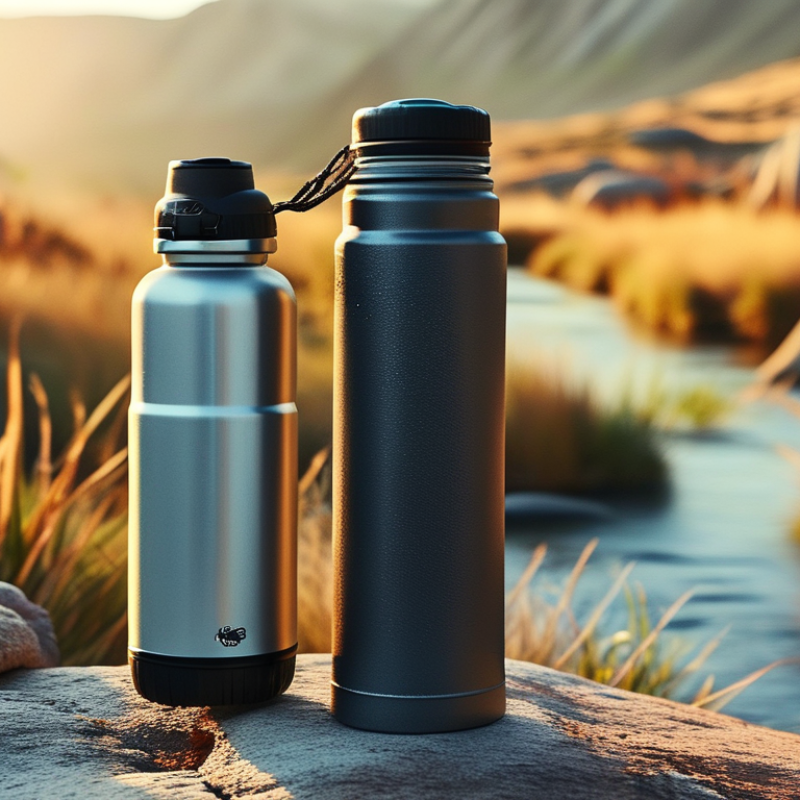
How to Reduce the Weight of Travel Water Bottles for Ease?

Choosing Lightweight Materials for Travel Water Bottles

When considering materials for travel water bottles, lightweight options take precedence. According to industry reports, every ounce saved makes a difference. Common materials include plastic, aluminum, and stainless steel. Among these, plastic often emerges as a favorite due to its low weight. A typical plastic bottle weighs around 50 grams, while stainless steel versions can be over 200 grams.

Tips: Look for bottles labeled as BPA-free. This ensures safety and reduces concerns about harmful chemicals. Check the weight of different materials to find your ideal balance between durability and portability.

Aluminum bottles offer a compromise between weight and strength. They generally weigh around 150 grams. However, there are considerations. Aluminum can dent easily and may require a protective coating to ensure longevity. Flexibility in designs also helps. Some brands create collapsible options that reduce weight and save space when not in use.

Tips: Consider how often you refill your bottle. This can influence the material choice. Rethink your usual habits. A lightweight bottle could change how you travel. It might inspire you to carry it everywhere.

Innovative Design Features to Minimize Weight

When packing for a trip, every ounce matters. Designers are now focused on innovative features that reduce the weight of travel water bottles. They use lightweight materials like advanced plastics and titanium. Such materials maintain durability while cutting down on bulk. The balance between strength and weight is crucial for travelers. Every gram saved can increase comfort during your journey.

Another development includes collapsible designs. These bottles can be flattened when empty, taking minimal space. This is especially useful for hikers or backpackers. Some bottles have integrated filtration systems, eliminating the need for separate filters. This reduces not just weight, but also the number of items to carry. Many travelers find this multifunctionality essential, yet it can make the product more complex.

The trend is leaning towards ergonomic shapes. These designs fit comfortably in your hand and can be attached to bags easily. However, these features may not suit everyone. Some users may struggle with the newer designs. Moreover, not all lightweight features guarantee insulation. Reflecting on these choices is important. A balance of ease and functionality will enhance the travel experience.

Weight Reduction in Travel Water Bottles

Techniques for Reducing Water Bottle Volume

When it comes to travel, minimizing the weight of your water bottle can make a significant difference. Techniques for reducing water bottle volume often involve using collapsible designs or innovative materials. Research indicates that lightweight materials, such as silicone or advanced polymers, can reduce weight by up to 50%, making hydration easier on the go.

One effective tip is to choose a bottle with a collapsible feature. These bottles can shrink down when empty, saving space in your bag. Additionally, consider reusable pouches that can hold water without adding bulk. According to the World Health Organization, staying hydrated is essential during travel, yet many opt for heavy, rigid bottles instead. Rethinking the traditional design can lead to better choices.

Another consideration involves the capacity of your bottle. Selecting a smaller size can encourage you to drink more frequently and refill. It's worth noting that many travel water bottles hold unnecessary capacity for short trips. A bottle that holds just 500ml may suffice for day hikes. Reflecting on the actual amount of water needed can lead to a lighter load and a more enjoyable journey.

Strategies for Prolonging the Lifespan of Lightweight Bottles

Traveling often means making choices about equipment. Lightweight water bottles are a popular option. They help reduce pack weight and make travel easier. However, their lightweight nature requires careful handling to ensure longevity. Reports indicate that proper care can extend the lifespan of these bottles significantly.

One strategy involves regular cleaning. A study by the International Journal of Food Microbiology highlights that bacteria can thrive in damp environments. Use mild soap and warm water after each trip. Rinse thoroughly to avoid soap residue. This simple act can keep your bottle safe to use.

Another tip is to avoid extreme temperatures. The American Society for Testing and Materials warns that high heat can degrade materials. Leaving bottles in direct sunlight can weaken their structure. Also, avoid freezing them, which can create cracks. These practices ensure your bottle remains effective over time.

Choose appropriate storage to prevent damage. Storing in a cool, dry place is essential. Cluttered environments can lead to scratches or dents that shorten a bottle's usability. Remember that even lightweight options are not invincible. Taking the time to care for your water bottle makes travel smoother and more enjoyable.

Packing and Storing Tips for Convenience and Weight Management

Traveling light is essential, especially when it comes to water bottles. Heavy bottles can add unnecessary weight to your luggage. Research from the Outdoor Industry Association shows that weight management is crucial; every ounce counts when hiking or flying. Using lightweight materials like Tritan or aluminum can reduce weight significantly. Consider bottles that weigh less than 5 ounces. They provide hydration without burdening your pack.

Packing strategies are vital. One effective method is to use collapsible bottles. They can easily be rolled up or folded when empty. This feature not only saves space but also lightens your load—an essential factor supported by multiple packing studies. Additionally, organizing your bag can help. Divide items into waterproof pouches to keep your travel gear compact. According to travel experts, minimizing the number of items you carry can effectively reduce overall weight.

Storing water bottles properly is often overlooked. Ensure they are clean and dry before storage. Pack them in areas where they won't get crushed. This practice can prolong their lifespan and maintain their functionality. A poorly stored bottle can lead to leaks or damage, which is an inconvenience during travel. Ultimately, striking a balance between convenience and minimalism can enhance your travel experience.

FAQS

: What materials are best for lightweight travel water bottles?

: Lightweight materials like plastic, aluminum, and stainless steel are ideal. Plastic is often the lightest option.

Why is it important to choose BPA-free bottles?

BPA-free bottles ensure safety and reduce harmful chemical exposure. Always check for this label when purchasing.

How much do different materials weigh?

Typical plastic bottles weigh about 50 grams. Aluminum bottles are around 150 grams, while stainless steel can exceed 200 grams.

What advantages do collapsible bottles offer?

Collapsible bottles save space and weight when empty. They can be rolled up or folded easily, ideal for travel.

How can I minimize weight when traveling?

Choose bottles under 5 ounces. Pack strategically and reduce the number of items in your bag for easier travel.

What should I consider when refilling my bottle?

The frequency of refills can affect material choice. Rethinking your habits can lead to a more convenient travel experience.

How should I store my water bottle when not in use?

Clean and dry your bottle before storage. Keep it in a safe place to prevent damage or leaks during travel.

What can happen if I don't store my bottle properly?

Poor storage can lead to leaks or damage, causing inconvenience. Make sure to store it thoughtfully to maintain functionality.

What packing strategies can help with weight management?

Use waterproof pouches to organize items. Minimize what you carry to reduce overall luggage weight effectively.

How does weight impact hiking or flying?

Every ounce counts when hiking or flying. Lightweight bottles can significantly ease the burden on your pack.

Conclusion

Traveling with water bottles can often add unnecessary weight to luggage. To minimize the weight of portable water bottles for travel, it is crucial to choose lightweight materials such as aluminum or BPA-free plastic. Innovative design features like collapsible mechanisms or integrated carrying loops can further reduce weight while maintaining functionality.

Additionally, techniques for reducing bottle volume, such as folding designs, can save space in backpacks. To prolong the lifespan of these lightweight bottles, regular cleaning and proper maintenance are essential. Finally, effective packing and storing strategies can aid in weight management, allowing travelers to enjoy hydration without the burden of extra weight. By focusing on these aspects, travelers can ensure that their water bottles are both practical and convenient.

Aria

Aria

Aria is a dedicated marketing professional with a deep passion for innovative strategies and a keen understanding of our company's product offerings. With a wealth of experience in the industry, Aria excels at crafting engaging content that highlights the unique features and benefits of our......