Elevate Bottle
Plastic water bottles are a significant environmental concern. In 2020, over 400 million tons of plastic were produced globally. According to the American Chemistry Council, only about 9% of plastic waste is recycled effectively. This low rate raises questions about how we can improve the recyclability of plastic water bottles. The public's reliance on these bottles has led to an urgent need for actionable advice.
Various studies highlight that enhancing the recyclability of plastic water bottles hinges on design, materials, and user behavior. For instance, the Ellen MacArthur Foundation reports that using standardized materials can boost recycling rates significantly. Innovations like biodegradable additives or easier-to-separate labels can refine the recycling process.
It is crucial to recognize that while improvements are possible, challenges remain. Not all plastics are recyclable, and consumer awareness is inconsistent. Public engagement and education play vital roles in this effort. A collective commitment from producers and consumers is essential for meaningful change. Striving to improve the recyclability of plastic water bottles could make a lasting impact on our environment.
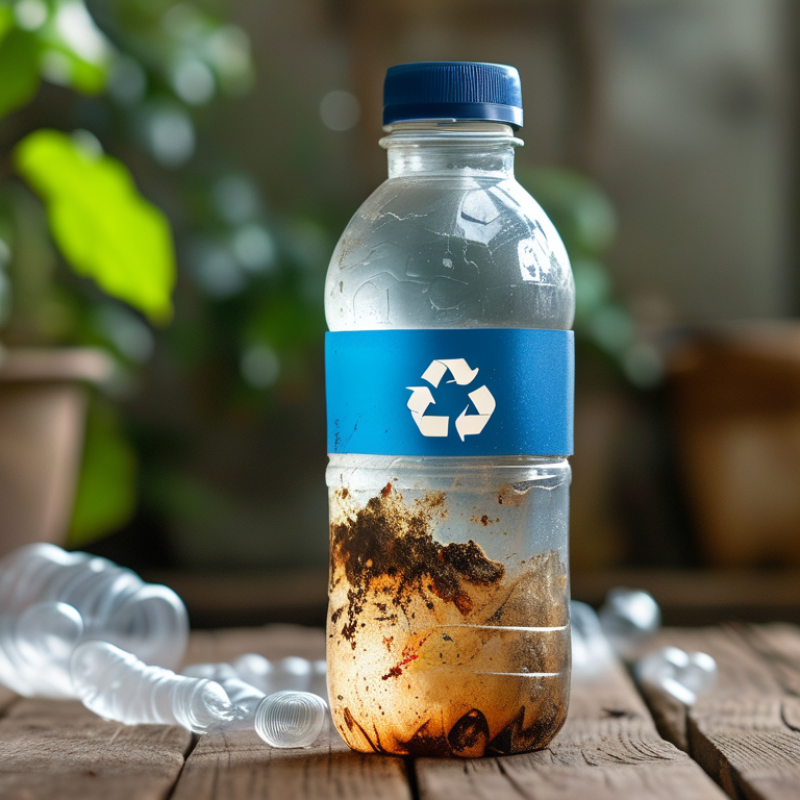
Understanding the composition of plastic water bottles is crucial for improving their recyclability. Most bottles are made from PET or HDPE, which are easier to recycle than other plastics. Knowing these materials can guide consumers and manufacturers toward better practices. For example, bottles with mixed plastic might contaminate the recycling stream.
Many consumers often overlook the importance of rinsing bottles before recycling. Residues can hinder the recycling process. Not all recycling facilities have the resources to handle contaminated materials. Moreover, labels on bottles can also complicate recycling. Some adhesives are not easily removed during processing.
Increasing awareness about bottle design plays a significant role too. Lightweight and minimalistic designs are preferred. However, this must not compromise safety or functionality. Recyclability should be prioritized, but not at the cost of structural integrity. Striking a balance is necessary. Through education and mindful choices, we can all contribute to a cleaner environment.
When it comes to recycling plastic water bottles, understanding the types of plastics used is crucial. The most recyclable plastics are typically labeled with the numbers 1 and 2. PETE, or polyethylene terephthalate, is often used in water bottles. It is lightweight and widely accepted in recycling programs. HDPE, or high-density polyethylene, is another common material. Both of these plastics can be effectively processed and repurposed.
However, not all plastic bottles are created equal. Those made from polyvinyl chloride (PVC), polystyrene (PS), or other types often face recycling challenges. Many recycling facilities do not accept these materials. A bottle's shape and size can also affect its recyclability. For example, bottles with complicated designs or mixed materials might be harder for recycling systems to handle. This complexity makes it vital for consumers to pay attention to the type of plastics they use. While awareness is rising, many still gravitate toward less recyclable options, which leads to more waste.
| Tip Number | Tip Description | Plastic Type | Recyclability Rate |
|---|---|---|---|
| 1 | Choose PET (Polyethylene Terephthalate) bottles | PET | >90% |
| 2 | Avoid PVC (Polyvinyl Chloride) materials | PVC | <5% |
| 3 | Select HDPE (High-Density Polyethylene) bottles | HDPE | >80% |
| 4 | Ensure bottles are clean and dry | N/A | N/A |
| 5 | Use simple labels and adhesives | N/A | N/A |
| 6 | Avoid colored plastics when possible | N/A | N/A |
| 7 | Promote recycling education efforts | N/A | N/A |
| 8 | Incorporate recycled materials in new bottles | N/A | N/A |
| 9 | Implement bottle deposit programs | N/A | N/A |
| 10 | Encourage manufacturers to design for recycling | N/A | N/A |
Recyclability starts at home. Preparing plastic water bottles properly is crucial. Rinse each bottle after use to remove residue. Leftover liquids and food can contaminate the recycling process. A quick wash can make a significant difference.
Crushing bottles reduces their volume. This allows more bottles to fit into recycling bins. However, ensure you remove the caps first. Caps often disrupt the recycling stream. If you're unsure, check local guidelines on bottle caps.
Label removal is another essential step. Labels can hinder the recycling process. Use warm water and soap to help peel them off. Remember, every small action can contribute to a bigger impact on environmental sustainability.
While we strive for perfection in recycling, mistakes can happen. Assess your routine and look for areas to improve.
Innovative design features play a crucial role in improving the recyclability of plastic water bottles. One key aspect is using a single type of plastic, like PET, which is widely accepted in recycling programs. When bottles are made from a single material, it simplifies the recycling process. This reduces contamination and increases the chances of successful recycling.
Another effective design feature is incorporating visible labeling. Clear instructions on how to recycle the bottle can guide consumers. This includes recycling symbols and material information that inform users how to dispose of the bottle correctly. Labels made from recyclable materials also enhance overall sustainability.
Incorporating design improvements can be a challenge. Some manufacturers might prioritize aesthetics over recyclability. This can lead to mixed materials, complicating the recycling process. Crafting bottles that combine user-friendly design with recyclability is an ongoing journey. There’s room for growth as the industry navigates environmental responsibility.
Consumer awareness is crucial in improving the recyclability of plastic water bottles. A recent report from the National Recycling Coalition indicates that only 30% of consumers know how to properly recycle these products. Misplaced knowledge leads to increased contamination rates in recycling streams. Many bottles end up in landfills, where they can take up to 450 years to decompose.
Educating consumers about the recycling symbol and what it means is essential. Many still don’t recognize that #1 PET plastic is widely recyclable. In fact, according to the Association of Plastic Recyclers, only 21% of PET bottles are actually recycled. Promoting clear labeling can improve recycling rates significantly. Simple steps, like rinsing bottles before disposal, can greatly reduce contamination and increase recyclability.
Beyond just education, engaging consumers in recycling initiatives plays a significant role. Community events can foster an understanding of proper disposal practices. In one study, communities that participated in educational outreach saw a 40% increase in recycling rates. This shows that the collective effort toward awareness can create impactful change. The responsibility lies not only with manufacturers but also with consumers. Every small action contributes to a larger goal of sustainability.
: Most water bottles are made from PET and HDPE. These types are easier to recycle.
Rinsing bottles removes residues. Contaminated bottles can hinder the recycling process.
No, some plastics like PVC and polystyrene face recycling challenges. Many facilities don’t accept them.
Lightweight designs are preferred. However, complicated shapes can complicate the recycling process.
Only about 21% of PET bottles are recycled, despite being widely accepted in recycling programs.
Many consumers are unaware of proper recycling practices. This leads to increased contamination rates.
They can greatly improve understanding of recycling. Such initiatives can increase rates by up to 40%.
Plastic bottles can take up to 450 years to decompose, contributing to long-term waste issues.
Yes, some adhesives are tough to remove during processing. They can complicate the recycling process.
Educating themselves and participating in initiatives can significantly enhance recycling efforts. Small actions count.
To improve the recyclability of plastic water bottles, it is essential to understand their composition and the types of plastics that are most easily recyclable. By identifying which materials are best suited for recycling, consumers can make more informed choices. Best practices for preparing bottles for recycling, such as rinsing and removing labels, are crucial steps that enhance the efficiency of the recycling process.
Additionally, innovative design features in bottle manufacturing can significantly contribute to higher recyclability rates. These designs can simplify the recycling process by ensuring that different materials can be easily separated. Promoting consumer awareness about the importance of proper disposal and recycling methods is vital in fostering a culture of sustainability, ultimately leading to improved recyclability of plastic water bottles.