Elevate Bottle Elevate Bottle

10 Tips to Minimize the Weight of Portable Water Bottles for Travel?

Time:2026-05-07 Author:Henry
0%

Traveling often involves carrying water bottles that can be bulky and heavy. To enhance your travel experience, it’s essential to minimize the weight of portable water bottles for travel. Lighter bottles can make a significant difference, reducing fatigue and allowing you to carry more essentials.

Finding the right balance between durability and weight is key. Many brands offer lightweight materials that maintain strength. Consider using collapsible bottles. They take up less space when empty and can weigh very little. Hydration techniques, such as using filtered water from safe sources, can also eliminate the need for extra bottles.

It's easy to overlook the weight of your gear, especially when packing. Prior planning is crucial. Assess the materials and features of your chosen bottle. Sometimes, a small design flaw can lead to unnecessary weight. Employing a minimalist approach helps ensure you travel efficiently and comfortably. Reflect on your choices, as being mindful of your water bottle’s weight can significantly enhance your journey.
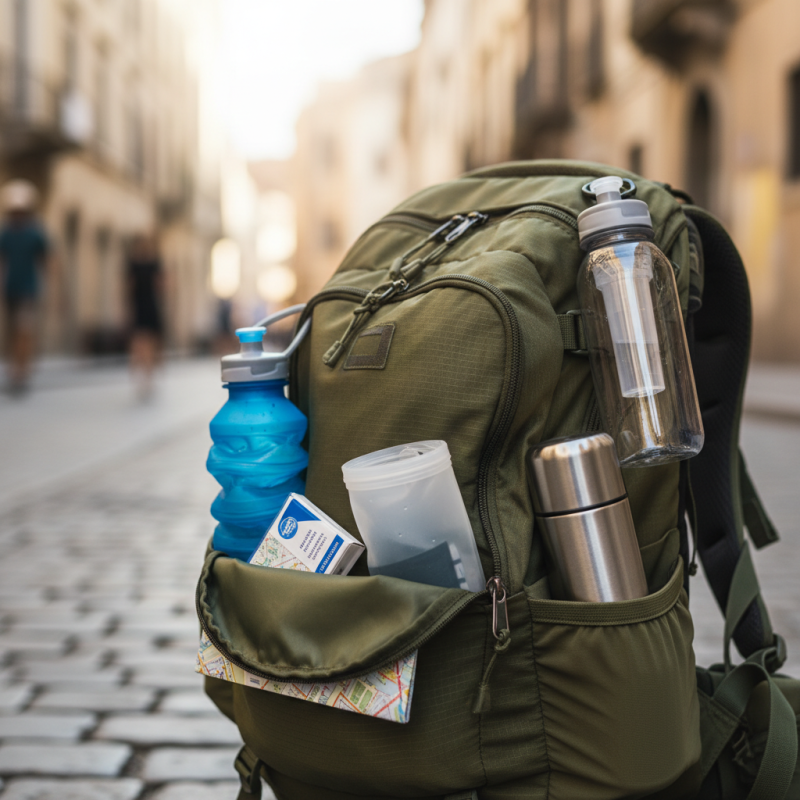
10 Tips to Minimize the Weight of Portable Water Bottles for Travel?

Choosing Lightweight Materials for Water Bottles

When selecting a portable water bottle for travel, the material is crucial. Lightweight options can make a significant difference in your pack. Consider materials like Tritan or aluminum, which provide durability without excessive weight. These materials also resist odors and stains, ensuring a clean taste.

Many travelers overlook the importance of design. A well-designed bottle can enhance portability. Look for bottles with collapsible features. They take up less space when empty. Additionally, check for integrated handles or straps. This makes carrying easier during hikes or city tours.

It's essential to reflect on your needs. An overly heavy bottle can lead to fatigue on long journeys. Assess how much water you typically carry. Sometimes, a smaller bottle is more practical. Remember, lightweight doesn’t always mean less quality. Finding the right balance can enhance your travel experience significantly.

Weight Comparison of Lightweight Water Bottle Materials

Exploring Collapsible Water Bottle Designs for Travel

When traveling, staying hydrated is essential. However, traditional water bottles can add unnecessary weight. This is where collapsible water bottles shine. They are designed to minimize bulk and weight. Made from flexible materials, they can be rolled or folded when empty. This convenience is ideal for backpackers and travelers alike.

Consider the design of collapsible bottles. Many feature wide mouths for easy filling and cleaning. Some have built-in filters, ensuring safe drinking water. Imagine hiking up a trail with a nearly flat bottle tucked away. Once you find a water source, simply expand it, fill it, and enjoy.

However, not all designs hold up well under pressure. Some may leak or become warped after a few uses. The quality of materials can vary widely, so it's essential to choose wisely.

While collapsible water bottles offer many benefits, they also have drawbacks. As they fold, they may take time to shape correctly during use. Users can find it frustrating to adjust to a different feel compared to traditional bottles. Testing different designs could offer insights into what works best for individual needs. The journey to finding the perfect collapsible bottle is part of the travel experience. Embrace the exploration; it may lead to an unexpectedly perfect solution.

Essential Features to Look for in Travel Water Bottles

When choosing a travel water bottle, essential features can significantly impact your experience. Lightweight materials are crucial. According to a study by the International Journal of Sustainable Transportation, bottles made from BPA-free plastic or titanium can save travelers up to 30% in weight compared to traditional glass bottles. Consider collapsible designs. These allow for elegant storage when not in use, enhancing portability.

Look for insulation capabilities. Double-walled bottles keep water cold for hours, which is vital in hot climates. Reports from the Outdoor Industry Association reveal that insulated bottles are preferred by 70% of outdoor enthusiasts. Hydration reservoirs are another option. They provide hands-free hydration, which can be a game-changer during long treks.

Built-in filters can also add to the functionality. They allow access to water from various sources, crucial for adventurous travelers. However, consider the maintenance of such features. Regular cleaning is essential. It’s important not to overlook weight in the equation. Prioritize what’s truly necessary for your journey. Ultimately, the right water bottle can make all the difference in staying hydrated and light on your feet while traveling.

Maintaining Hydration: Capacity vs. Weight Considerations

When traveling, hydration is crucial. However, balancing capacity and weight in portable water bottles can be challenging. Many travelers prefer lightweight bottles that are easy to carry. Yet, some may sacrifice volume, risking dehydration during long outings. For instance, a 500ml bottle weighs less but may require frequent refills. Conversely, a 1-liter bottle ensures adequate hydration but can become cumbersome.

Choosing the right material is essential. Some lightweight materials may not keep water cold for long durations. A thin plastic bottle keeps weight low, but it easily crumples or cracks. Stainless steel bottles offer durability and insulation, yet they add weight. Reflecting on these trade-offs is vital.

Lightweight options might limit hydration options in hotter climates or during intense activities. Ultimately, the right balance between capacity and weight can enhance your travel experience by keeping you both hydrated and comfortable.

Tips for Efficient Packing and Storing of Water Bottles

When traveling, every ounce counts. Efficient packing of water bottles can help reduce weight and maximize space. Choose collapsible or foldable water bottles. They save space when empty, offering flexibility. Simply fill them up when needed.

Consider carrying a lightweight, reusable bottle. Many are designed specifically for travel. They help cut down on waste and often weigh less. Some bottles come with built-in filtration systems. This allows you to fill up from various sources without concerns about purity.

Packing hacks can also make a difference. Store your water bottle inside shoes or clothing to save space. Use a compression packing cube to keep your gear organized and compact. Remember, hydration is crucial, but weight management is key. Aim for a balance between having enough water and minimizing carry weight. Keep experimenting until you find what works best for your travel style.

FAQS

: Why is material choice important for water bottles?

: The material affects weight, durability, and cleanliness. Lightweight materials make travel easier.

What are good lightweight materials for water bottles?

Options like Tritan and aluminum offer durability without being overly heavy.

How can design improve the experience of using a water bottle?

A well-designed bottle enhances portability, with features like collapsibility and straps.

What should I consider regarding bottle weight during travels?

Overly heavy bottles can cause fatigue. A smaller, lighter bottle might be more practical.

What features should I look for in a collapsible water bottle?

Look for wide mouths for easy filling and cleaning, and check for built-in filters.

Are there any drawbacks to collapsible water bottles?

They may take time to reshape and can feel different than traditional bottles.

Do collapsible bottles tend to leak?

Some designs may leak or warp under pressure. Quality varies, so choose wisely.

How can I determine the best bottle for my needs?

Reflect on your own hydration habits and test different designs for comfort.

Should I expect collapsible bottles to perform like regular bottles?

No, they may offer a different experience that requires some adjustment.

Can finding the right water bottle be part of the travel experience?

Yes, exploring different options can lead to unexpected solutions and enhance your journey.

Conclusion

Traveling often demands that we pack light, and one significant area to consider is how to minimize the weight of portable water bottles for travel. To achieve this, selecting lightweight materials such as aluminum or BPA-free plastic can make a notable difference. Additionally, exploring collapsible water bottle designs is an innovative solution that maximizes convenience without sacrificing hydration needs.

When choosing a travel water bottle, it’s crucial to identify essential features that blend functionality with reduced weight, like built-in straws or filters. A balance must also be struck between capacity and weight to ensure adequate hydration without excessive bulk. Lastly, efficient packing and storing techniques can further help streamline your travel gear while ensuring you stay well-hydrated on your adventures.

Henry

Henry

Henry is a dedicated marketing professional with a profound expertise in the company's offerings. With years of experience in the industry, he possesses an impressive understanding of the market dynamics and consumer behaviors that drive success. Henry is committed to sharing his insights through......