Elevate Bottle Elevate Bottle

10 Tips to Reduce the Environmental Impact of Plastic Bottles?

Time:2026-05-01 Author:Aria
0%

Plastic bottles are everywhere. They are convenient, but their environmental impact is significant. Experts emphasize the need to focus on how to reduce the environmental impact of plastic bottle usage. Dr. Emily Sanders, an environmental scientist, states, "The time to act is now; every small change counts."

One of the biggest issues with plastic bottles is their lifespan. Many end up in landfills or oceans, harming wildlife. Solutions aren't always straightforward. Simple actions, like choosing reusable alternatives, can make a difference. However, the challenge lies in changing consumer habits and perceptions.

Moreover, recycling efforts often fall short. Many people do not recycle correctly, leading to contamination. Educating the public is essential. Awareness must grow around the importance of properly handling plastic waste. Tackling this crisis requires collective action from individuals and industries alike. There's much work to be done.
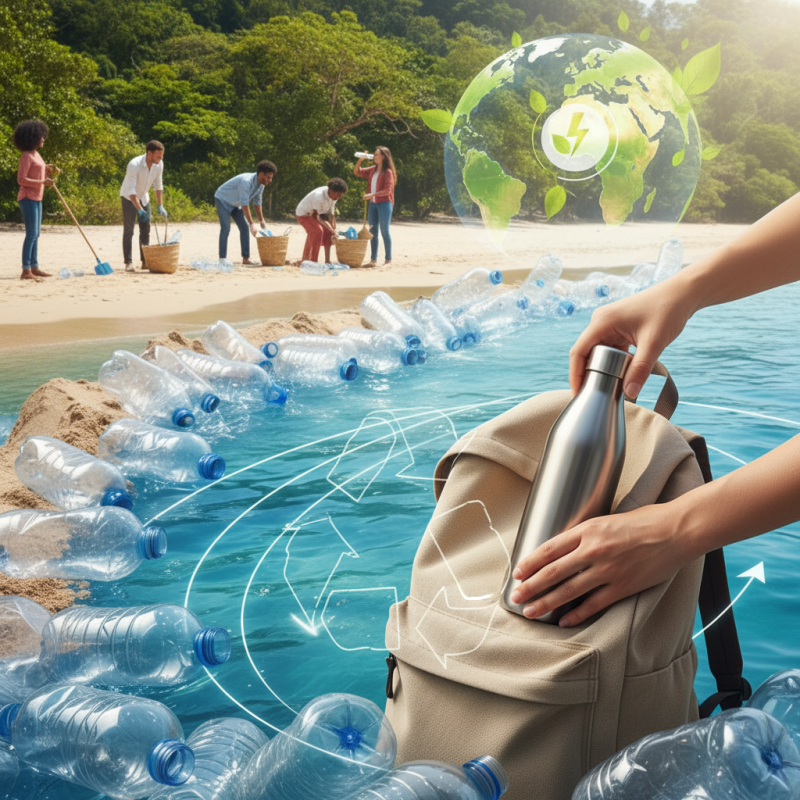
10 Tips to Reduce the Environmental Impact of Plastic Bottles?

Understanding the Environmental Impact of Plastic Bottles

Plastic bottles are a major environmental concern. Each year, millions of tons of plastic enter landfills and oceans. Despite recycling efforts, many bottles end up discarded. Understanding the environmental impact of these bottles helps us make better choices.

One way to reduce plastic bottle waste is to switch to reusable containers. Using a stainless steel or glass bottle cuts down on single-use plastic. Keep a reusable bottle handy to stay hydrated on the go. Opting for drinks in bulk can also save plastic. Purchasing larger containers reduces the need for multiple small bottles.

When we choose plastic items, consider their lifespan. Some bottles take centuries to decompose. Be mindful of the brands you support and their recycling practices. Supporting companies that prioritize sustainability can have a significant impact. Small changes in daily habits can collectively lead to a substantial decrease in plastic bottle waste.

10 Tips to Reduce the Environmental Impact of Plastic Bottles

Tip Number Tip Environmental Impact Additional Notes
1 Use a Reusable Bottle Reduces plastic waste Saves money over time
2 Choose Biodegradable Options Lower environmental footprint Breaks down faster in nature
3 Recycle Properly Reduces landfill waste Understand local recycling rules
4 Support Brands with Sustainable Practices Encourages eco-friendly policies Look for eco-certifications
5 Use Filtered Tap Water Reduces bottled water consumption Cost-effective and healthy
6 Educate Others Spreads awareness about plastic waste Encourage community initiatives
7 Carry a Cup for Takeout Beverages Lowers single-use cup waste Promotes sustainability
8 Participate in Clean-Up Events Removes plastic from environments Connects with like-minded individuals
9 Avoid Excess Packaging Reduces plastic use Choose minimally packaged products
10 Advocate for Policy Change Promotes systemic change against plastic use Engage with local government

Choosing Sustainable Alternatives to Traditional Plastic Bottles

Choosing sustainable alternatives to traditional plastic bottles is essential in reducing environmental impact. Many individuals can switch to reusable containers. These options often include stainless steel or glass bottles. They not only last longer but also reduce plastic waste considerably. Reusable bottles come in varying designs and sizes, making them versatile for personal use or travel.

Another alternative is biodegradable bottles. These are made from materials that break down more easily than traditional plastics. They provide a temporary solution but still require proper disposal methods. Using these bottles demonstrates awareness of the plastic crisis. However, the availability and environmental impact of these products can vary, necessitating careful research by consumers.

Lastly, consider personal habits. Refilling water bottles at public stations can save money and resources. Look for ways to avoid single-use plastics altogether. Small changes in daily life contribute to a greater impact. Remember, each decision counts, and the journey toward sustainability is ongoing.

Environmental Impact of Plastic Bottles

This chart illustrates the estimated environmental impact of plastic bottles based on their disposal methods including recycling, landfill, and ocean waste. The data highlights the importance of sustainable choices for reducing plastic pollution.

Strategies for Proper Disposal and Recycling of Plastic Bottles

Plastic bottles are a significant contributor to environmental pollution. Effective disposal and recycling strategies play a crucial role in mitigating their impact. According to the World Economic Forum, 91% of plastic is not recycled, leading to increased waste in landfills and oceans. Promoting proper disposal methods is essential for reducing this alarming statistic.

One key strategy is to always check local recycling guidelines. Recycling practices vary by location. Many places accept plastic bottles, but not all types are suitable. Sort bottles by material type. Rinsing them before recycling can help reduce contamination. Contaminated recycling can lead to entire batches being sent to landfills.

Educating consumers about alternatives to single-use bottles is also vital. Options like reusable water bottles can significantly cut down on plastic waste. Tips like carrying a refillable bottle or using refill stations can make a noticeable difference. According to the International Bottled Water Association, if people switched to reusables, it could potentially save up to 1.2 million tons of plastic each year. Engaging communities in clean-up events can raise awareness and foster responsible disposal habits, yet many still overlook these opportunities. Real change starts with personal accountability.

Implementing Reusable Bottle Practices in Daily Life

Implementing reusable bottle practices can significantly reduce the environmental impact of plastic bottles. One way to start is by carrying a reusable bottle wherever you go. Think about all the single-use bottles you encounter on a daily basis. By opting for a refillable option, you actively cut down on plastic waste. Every small change counts.

You can fill your reusable bottle with water at home or refill it at water stations. This habit not only conserves resources but also encourages healthier choices. However, transitioning to this practice requires dedication. You may sometimes forget your bottle or feel compelled to buy a drink when you’re thirsty. It happens. Recognizing these moments is vital for improvement.

Additionally, try to influence your friends and family. Share your experiences and talk about the benefits. Empower others to make this change too. There may be challenges along the way, like forgetting your bottle or facing social pressures. Reflecting on these situations can help you enhance your habits and reduce reliance on disposable plastics. Every effort makes a difference.

Advocating for Policy Changes to Reduce Plastic Waste

Policy changes play a crucial role in combating plastic waste. Governments must implement stricter regulations on plastic production and usage. These regulations could include taxes on single-use plastics. Such financial disincentives encourage consumers and businesses to seek alternatives.

Collaboration with manufacturers is essential. Companies should be incentivized to innovate sustainable packaging solutions. They can invest in biodegradable materials or reusable bottle systems. By fostering a circular economy, we can reduce the overall demand for plastic.

Public awareness campaigns can complement policy changes. Informing citizens about the impact of plastic waste sparks action at the individual level. Communities can organize clean-up drives to address local litter issues. People must understand the importance of holding companies accountable. Each small effort contributes to a larger impact in tackling this significant issue.

FAQS

: What should I check before recycling plastic bottles?

: Always check local recycling guidelines. Practices vary by location, and not all bottles are accepted.

How can I properly prepare plastic bottles for recycling?

Rinse bottles before recycling to reduce contamination. Contaminated materials can lead to waste.

What are some alternatives to single-use plastic bottles?

Consider using reusable water bottles. This can significantly reduce plastic waste in the environment.

How can I encourage my community to reduce plastic waste?

Engage in clean-up events and raise awareness. These activities foster responsible disposal habits.

What challenges might I face while using reusable bottles?

You may forget your bottle or feel pressured to buy drinks. Acknowledging these moments helps improve habits.

Why is public awareness essential in reducing plastic waste?

Educating citizens on the impact of plastic waste can spark individual action and responsibility.

How can policies help in reducing plastic waste?

Stricter regulations and taxes on single-use plastics can encourage alternatives among consumers and businesses.

What role do manufacturers play in reducing plastic waste?

Companies should innovate sustainable packaging and consider biodegradable materials to minimize plastic demand.

Conclusion

Plastic bottles pose a significant environmental challenge due to their extensive use and disposal issues. To reduce the environmental impact of plastic bottle usage, individuals can start by choosing sustainable alternatives, such as glass or metal bottles, which are more eco-friendly options. Additionally, it's crucial to adopt strategies for proper disposal and recycling to ensure that fewer bottles end up in landfills and oceans.

Implementing reusable bottle practices in daily life is also essential. People can carry reusable bottles to stay hydrated while minimizing single-use plastic. Furthermore, advocating for policy changes that prioritize reducing plastic waste can amplify collective efforts to combat this issue. By integrating these practices, we can significantly reduce the environmental impact of plastic bottle usage and contribute to a healthier planet.

Aria

Aria

Aria is a dedicated marketing professional with a deep passion for innovative strategies and a keen understanding of our company's product offerings. With a wealth of experience in the industry, Aria excels at crafting engaging content that highlights the unique features and benefits of our......