Elevate Bottle
Elevate Bottle
Elevate Bottle
Explore our core manufacturing line featuring advanced materials, leak-proof designs, and high-performance insulation technologies.
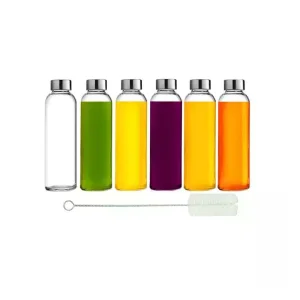
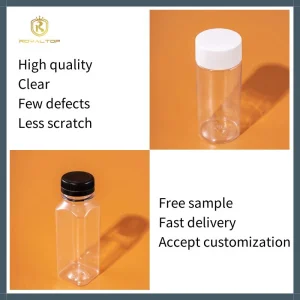
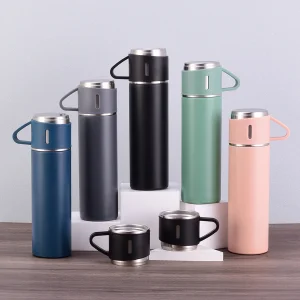
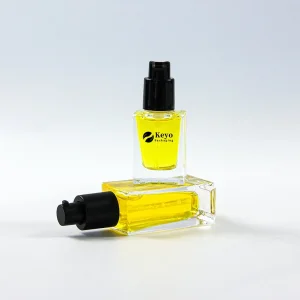
In the highly competitive beverage container and drinkware industry, component design is often the primary driver of customer loyalty and product differentiation. Among these design factors, chug lids have emerged as a dominant standard. Offering a high-flow, spill-proof, and ergonomically optimized drinking interface, chug lids bridge the gap between traditional narrow-mouth caps and wide-mouth bottles.
For global brands, outdoor retailers, and corporate buyers, choosing the right chug lid manufacturer is not merely a procurement decision—it is a strategic product lifecycle move. A high-performing lid requires micro-millimeter precision in injection molding, food-grade chemical safety compliance, and robust mechanical structures capable of withstanding tens of thousands of open-and-close cycles. This whitepaper provides a data-backed analysis of the global manufacturing ecosystem for chug lids, focusing on production techniques, quality control protocols, and supply chain advantages.
"The transition from straw lids and twist caps to modern button-activated chug lids represents a major shift toward high-flow, single-handed operations required by sports and adventure demographics."
An optimized chug lid design must balance liquid flow kinetics with absolute sealing security. Standard industrial criteria look at several key features:
| Component | Material Used | Key Performance Metric | Compliance Standards |
|---|---|---|---|
| Lid Body | Food-Grade PP / Tritan | Tensile Strength & Impact Resistance | FDA 21 CFR 177.1520, LFGB |
| Sealing Gasket | Liquid Silicone Rubber (LSR) | Compression Set & Thermal Stability | FDA, BfR XV (Silicones) |
| Lid Spring & Pins | SUS304 / SUS316 Stainless Steel | Corrosion Resistance (Salt Spray Test >96h) | ASTM A240 |
| Overmold Grips | TPE (Thermoplastic Elastomer) | Durometer Hardness & Adhesion Quality | RoHS, REACH |
When screening the top 10 chug lids manufacturers & factories, corporate buyers must look beyond basic FOB pricing. A balanced evaluation framework should incorporate:
Why leading global outdoor and drinkware brands concentrate their manufacturing partnerships within Chinese specialized industrial clusters.
From petrochemical suppliers providing certified Tritan and PP resins to precision mold makers and packaging design firms, China's industrial zones offer unmatched co-location advantages.
Advanced factories can go from initial industrial design drawings to high-fidelity 3D printed functional prototypes in 48 hours, and completed production steel molds within 25 days.
Automated multi-cavity injection molding equipment paired with integrated assembly robots reduces per-unit labor costs while boosting manufacturing quality and output speed.
Selling drinkware internationally requires compliance with strict regional health and environmental regulations. A minor material formulation error can lead to expensive customs holds, retail recalls, and brand damage.
North American Standards (FDA & California Prop 65): Any material coming into contact with liquids must be certified under FDA 21 CFR standards. Testing focuses on specific migration limits of heavy metals and plasticizing elements. For the California market, products must be certified free of chemicals listed under Proposition 65, including Bisphenol A (BPA) and phthalates.
European Frameworks (LFGB & REACH): European testing standards (specifically Germany's LFGB) are more stringent than US FDA rules. LFGB requires rigorous sensory testing to ensure the plastic components do not transfer odors or tastes to the water. Additionally, all materials must comply with REACH regulations concerning Substances of Very High Concern (SVHC).
Local Warehousing & Supply Chain Agility: Top tier manufacturers support global supply chains by partnering with third-party logistics (3PL) providers to offer flexible delivery options (FOB, CIF, DDP). This ensures compliance with local import customs, tariff codes (HTS codes), and safety documentation.
Zhejiang Elevate Bottle Co., Ltd. is a professional enterprise specializing in the design, development, manufacturing, and marketing of stainless steel vacuum flasks, borosilicate glass bottles, plastic water bottles, and titanium cups. Our products are 100% food-safe grade and fully comply with both European and American food safety standards.
We possess rich experience in OEM and ODM services, backed by an R&D team capable of producing more than 20 new product design solutions every year. To maximize production efficiency, our factory has invested heavily in automated production lines utilizing industrial robots, which substantially reduces manufacturing turnaround times and labor costs.
Through our outstanding R&D capabilities, reliable product quality, cost performance, and prompt delivery schedules, we have partnered with and helped scale numerous startups and global enterprises. We work closely with our partners to bring custom, high-margin projects to life.
Building a strong foundation with flexible water bottle design experience.



The hydration product industry is experiencing two major shifts: structural digitization and ecological materials.
Smart Lid Integration: Lids are no longer passive caps. Advanced lids now integrate UV-C water sterilization LEDs, liquid temperature sensors, and BLE (Bluetooth Low Energy) chips that sync hydration metrics to fitness apps. Zhejiang Elevate Bottle's patented smart chip technologies represent the forefront of this category.
Sustainable & Recycled Materials: As consumer brands target ESG goals, manufacturers are shifting away from virgin petroleum-based plastics. The integration of PCR (Post-Consumer Recycled) polypropylene and Eastman Tritan Renew polymers (which feature 50% certified recycled content) is becoming standard practice for eco-conscious brands.
Get answers to the most common queries regarding engineering, customization, compliance, and ordering protocols.
Our wider collection of premium double-wall glass, chemical-resistant plastics, and vacuum-insulated travel tumblers.